Commemorating the 90th anniversary of Canada’s 1936 Vimy Pilgrimage
THE
WAY BACK
Tracing the 1936 Vimy Pilgrimage
6,200 Canadian veterans and their families
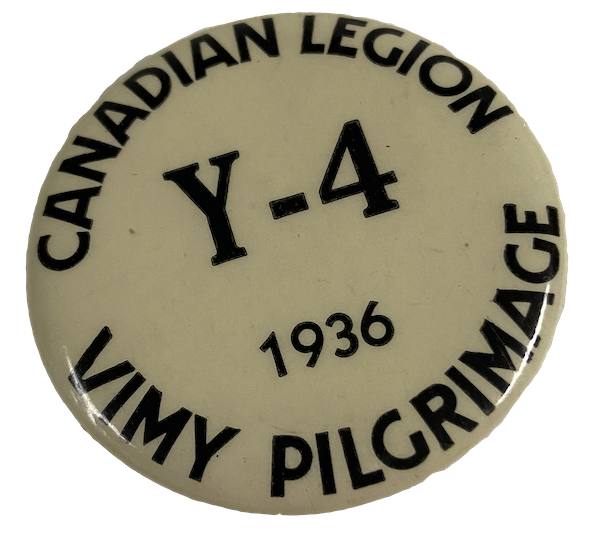
travelled to France as part of the Canadian Legion Vimy Pilgrimage.
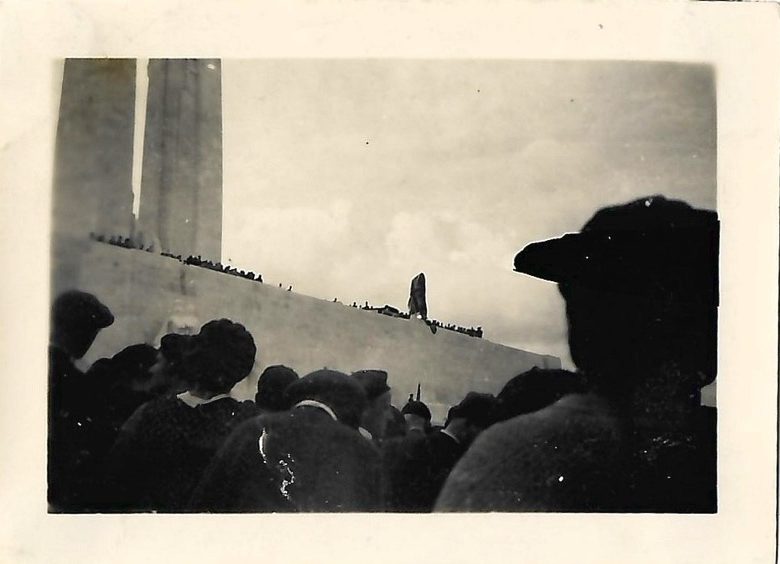
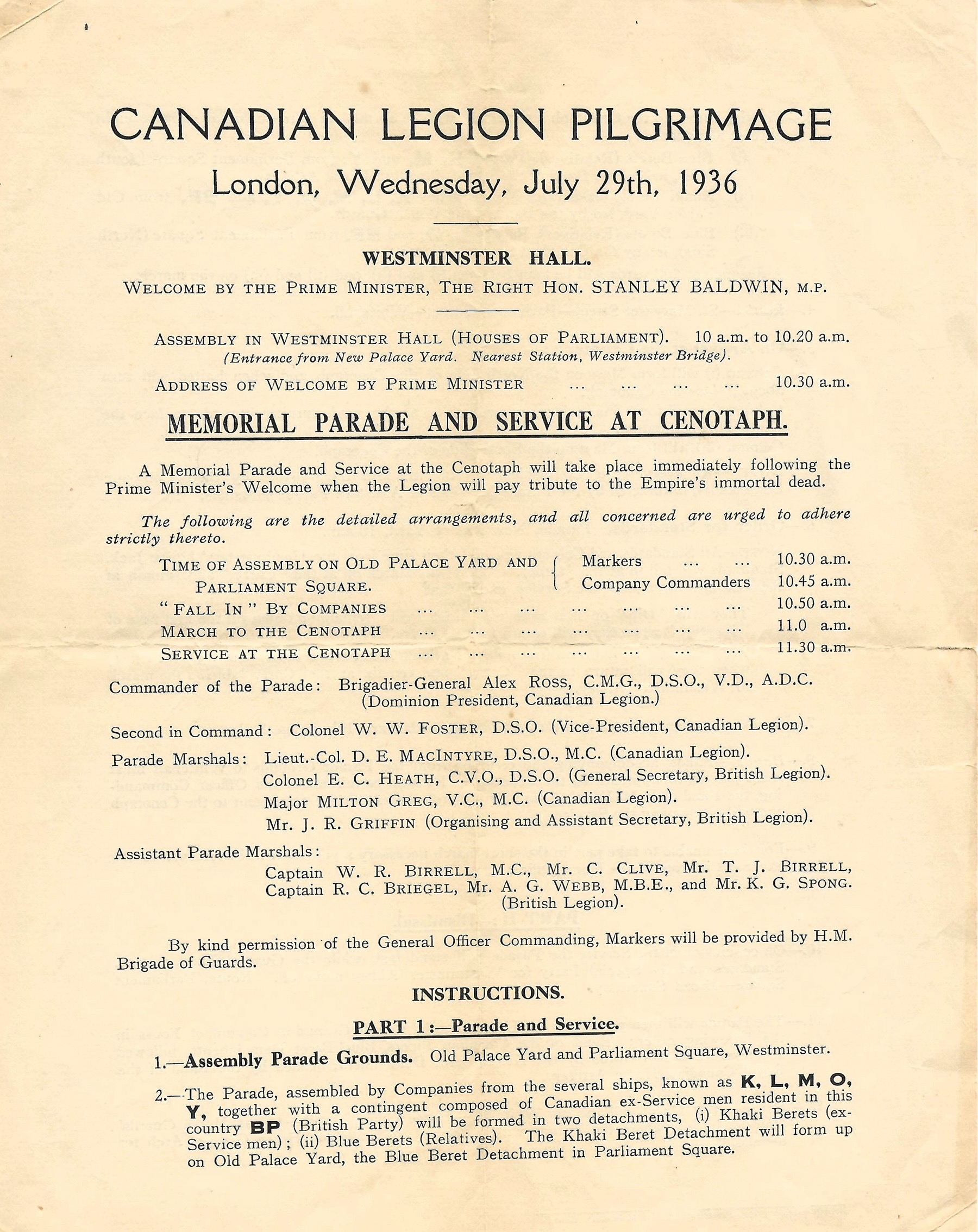
They came to witness the unveiling of the Canadian National Vimy Memorial, a monument commemorating 11,285 Canadians killed in France during the First World War whose remains were never recovered or identified.
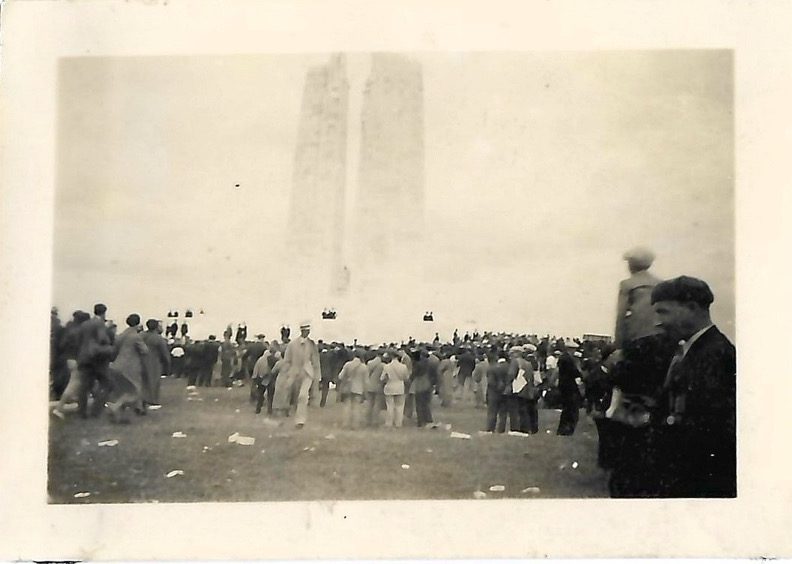
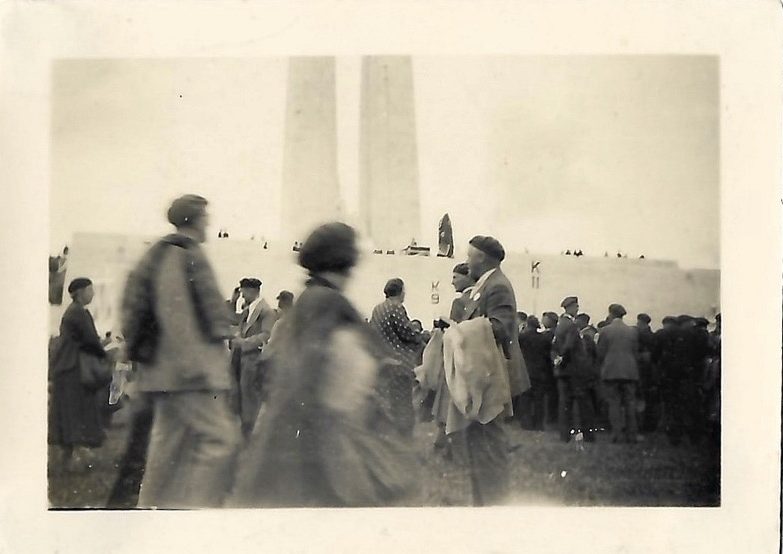
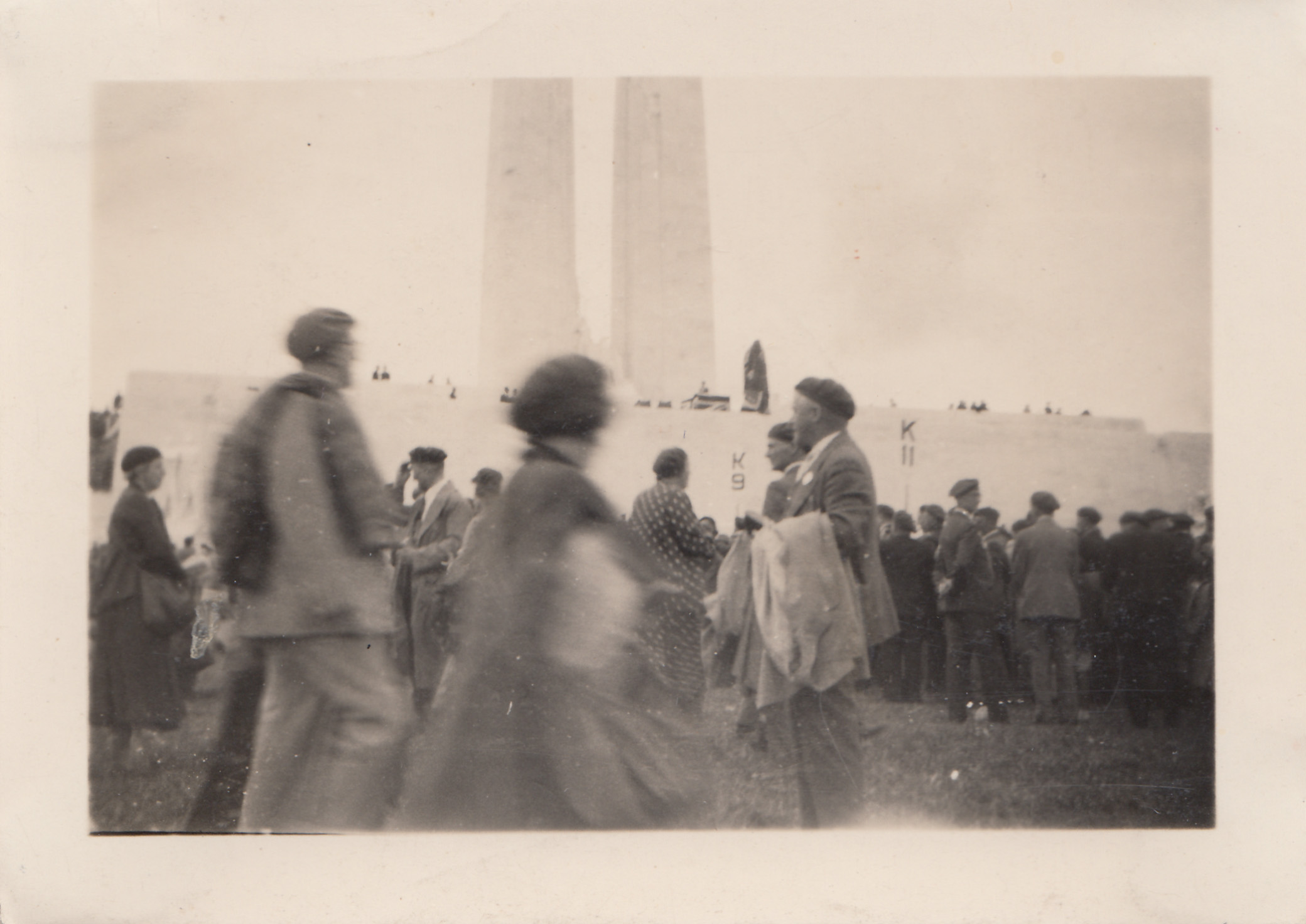
Pilgrims at the Canadian National Vimy Memorial / 2017.20 | Gift of John R. Newell / CCGW Collection
RETURN TO
VIMY
Grieving families were among the earliest visitors to the Western Front, travelling to see where their loved ones had fought and died. These journeys soon turned into organized battlefield tourism. With many veterans unemployed and struggling to receive adequate pensions, these trips were difficult and expensive, and few were able to attend. By the early 1930s, the desire to return had not faded, even when travelling to Europe remained far beyond the means for most Canadians during the Great Depression.
PILGRIM or TOURIST
Visitors to the Battlefields could be grouped into two categories: pilgrim or tourist. Pilgrims journeyed to mourn a loss or find solace in the healing landscape, and turned a critical eye on tourists, who they believed trivialized the war. However, in hindsight, both served to push the Battlefield Tourism industry forward.
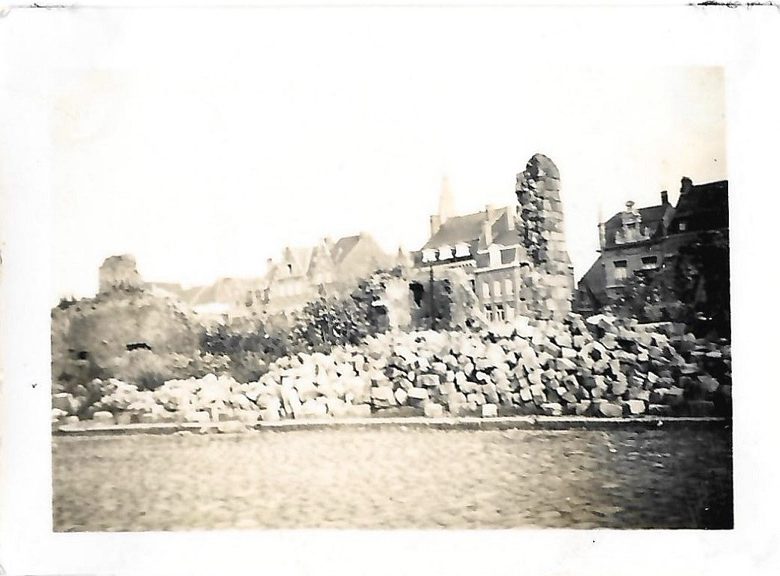
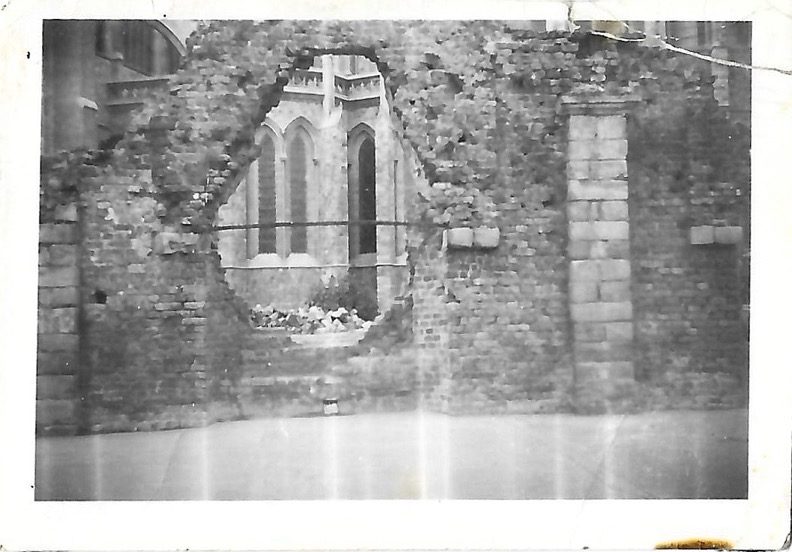
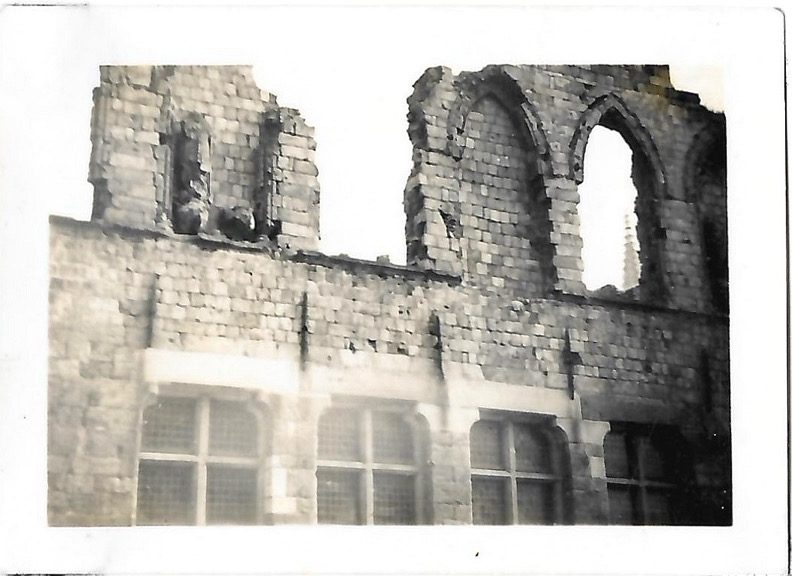
As pilgrims and tourists alike flocked to the old front lines, these tours were offered by bus, by foot and even by bike. Vistors could view the front lines, stay in hotels, sample foreign dishes and buy souvenirs. Visits to ruins, however, were especially popular, with tourists taking rubble from falling buildings as souvenirs.
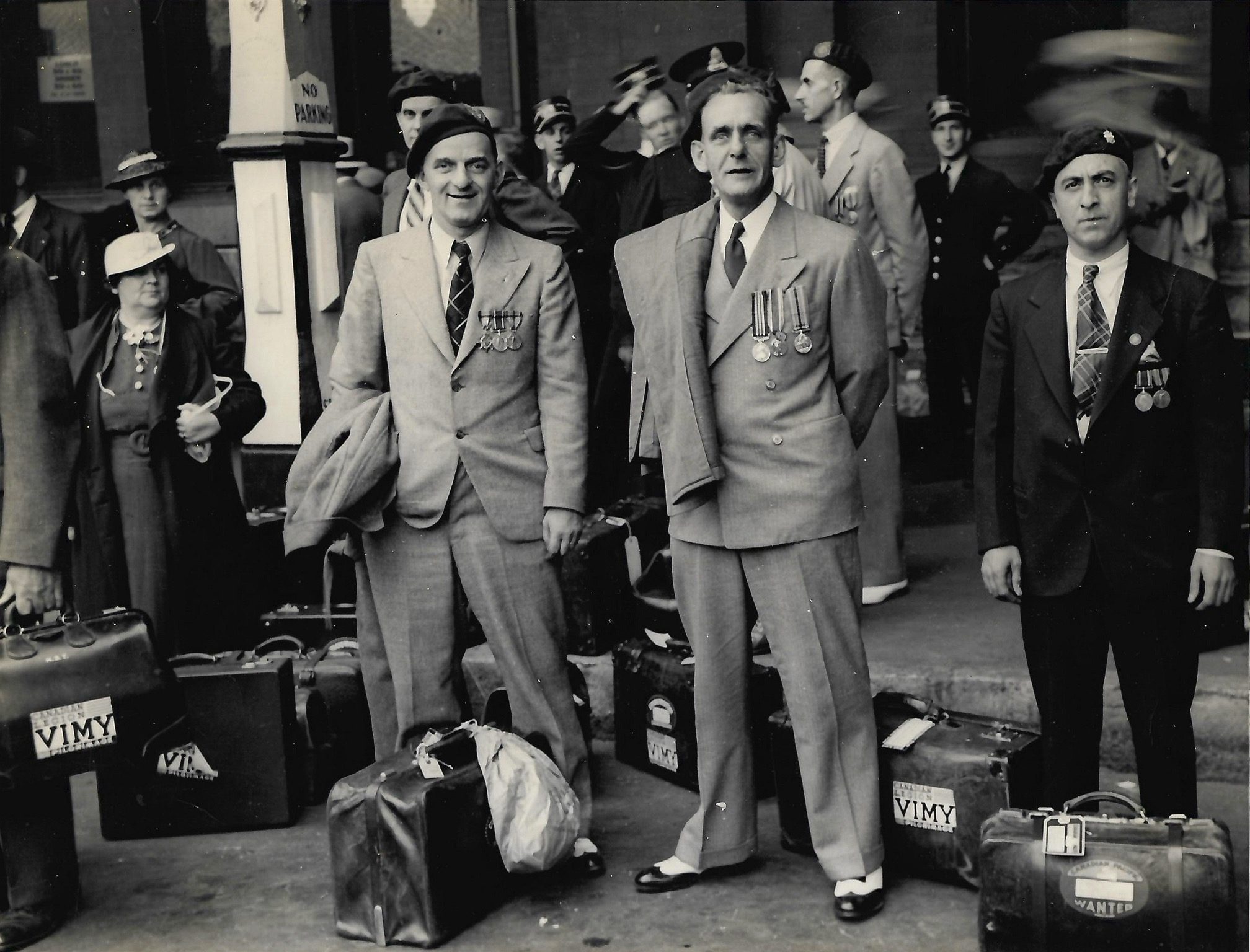

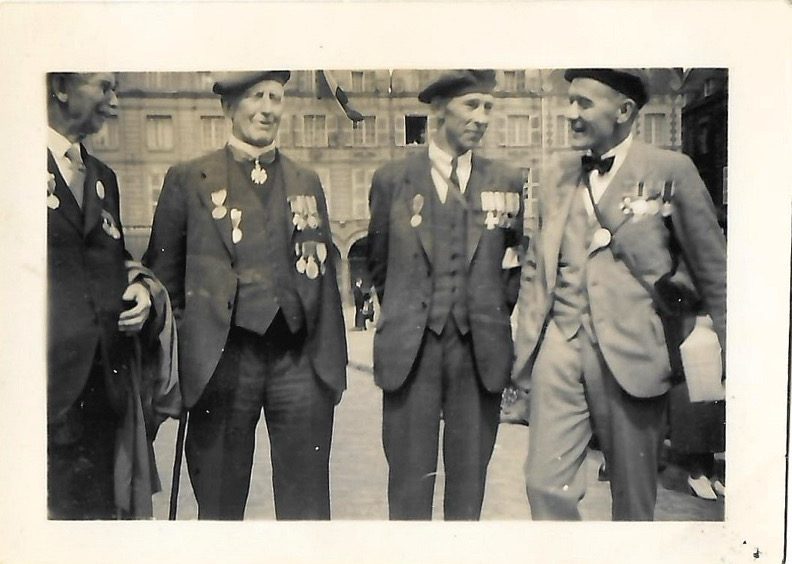
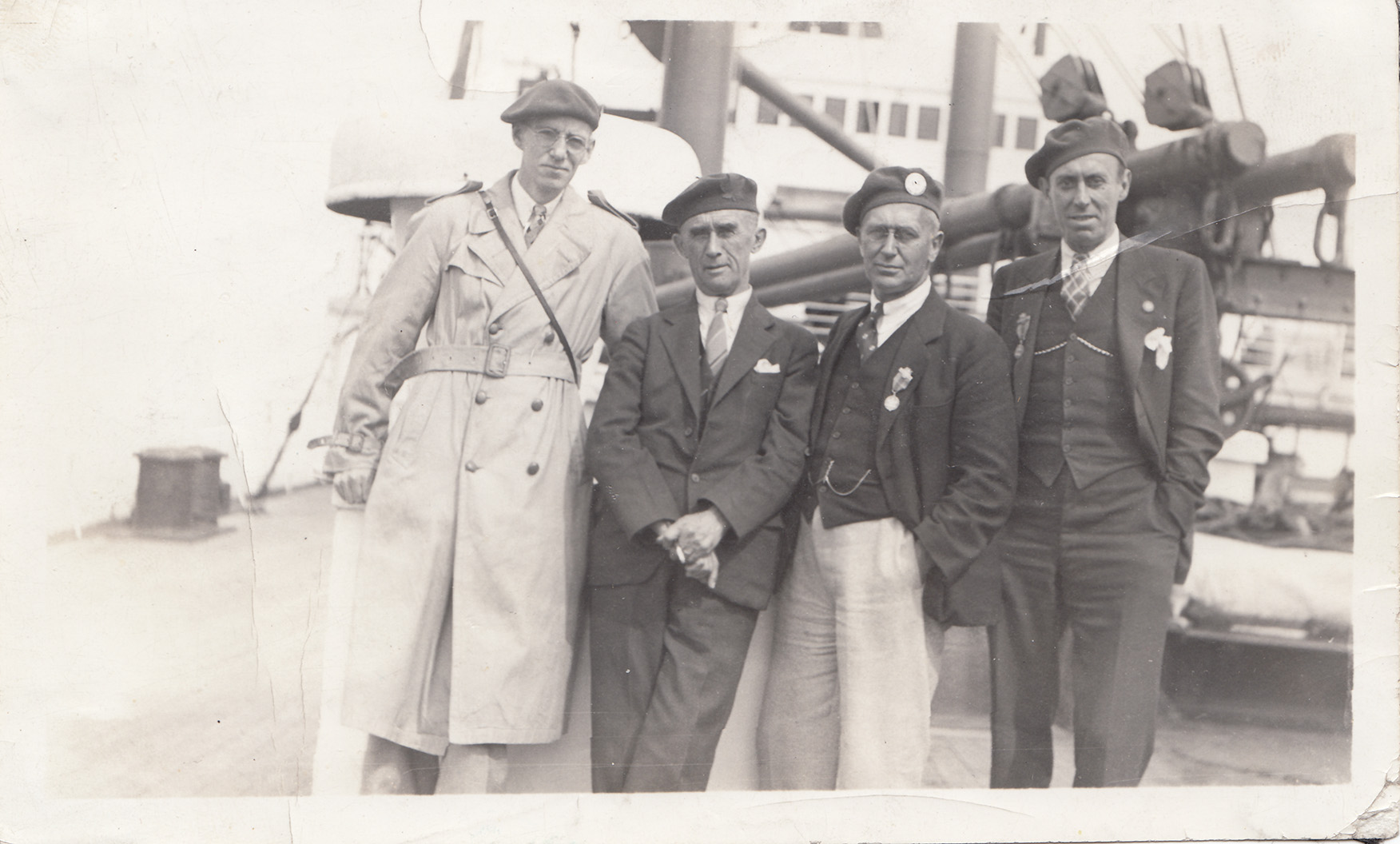
Veterans departing on the Vimy Pilgrimage
Sergeant Low, Private Broomhall, and Private Stuart at Bonaventure Station, Montreal, en route from Toronto to Vimy.
CCGW Collection
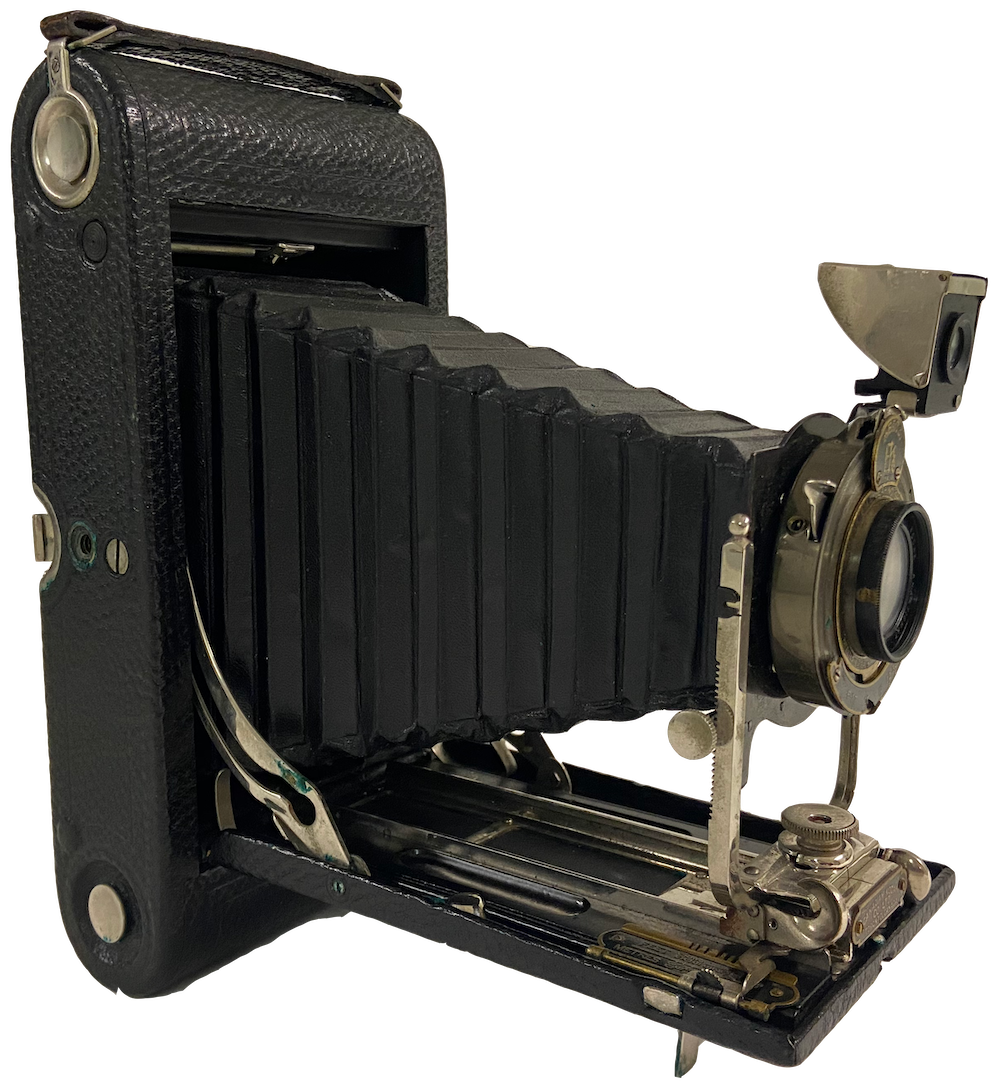
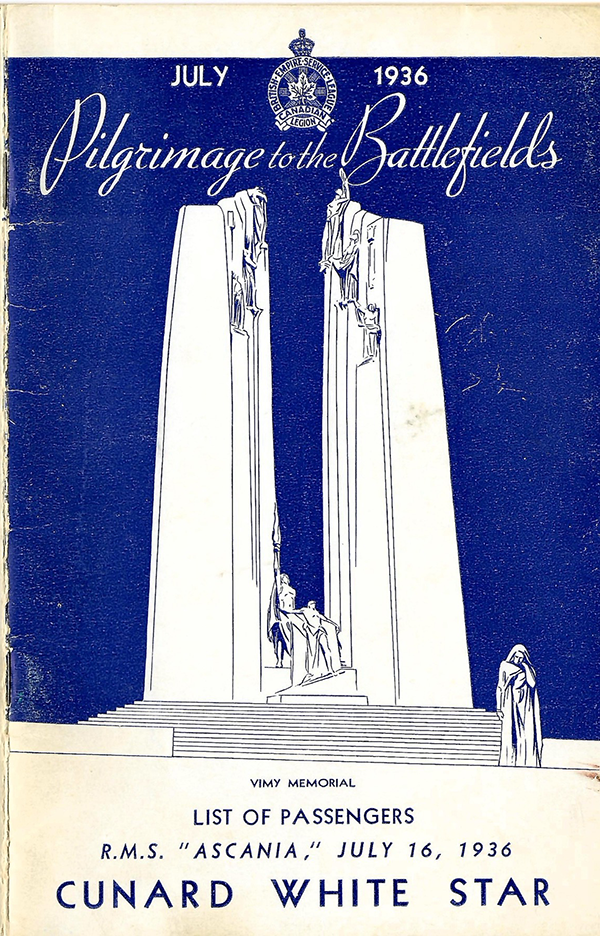
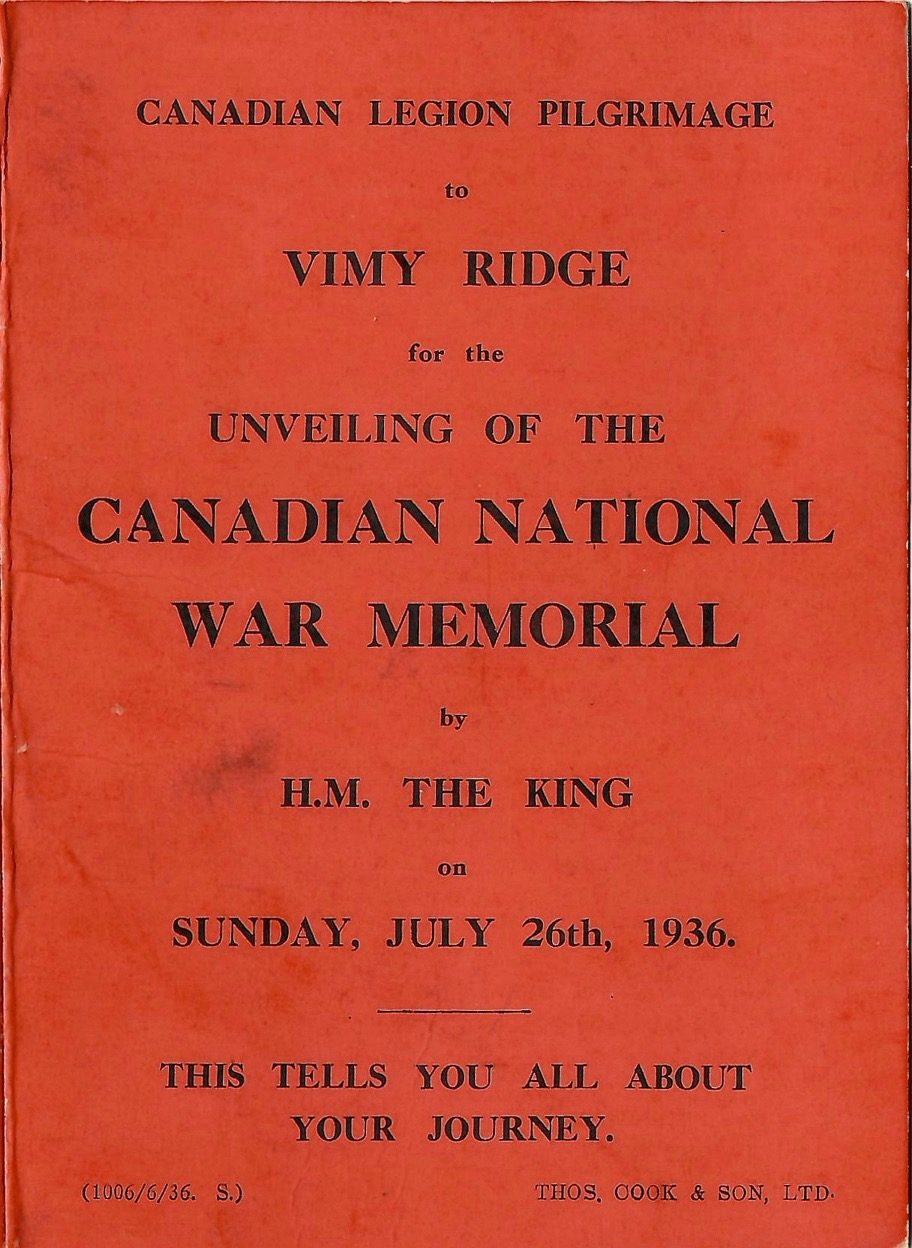
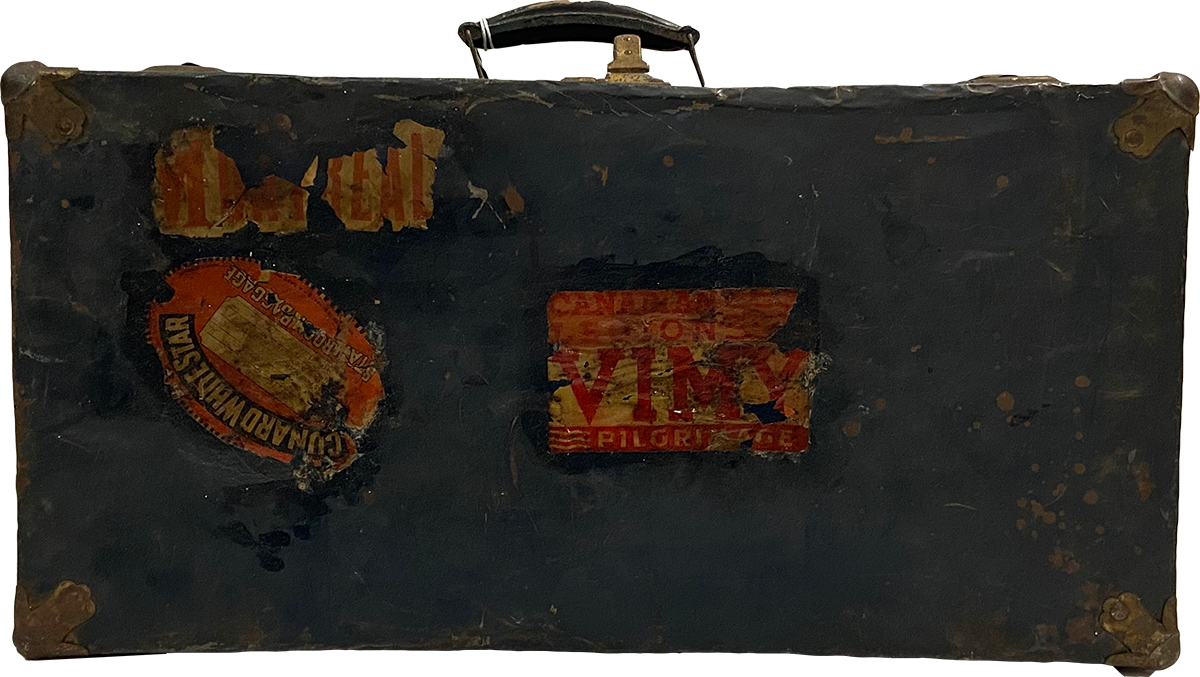
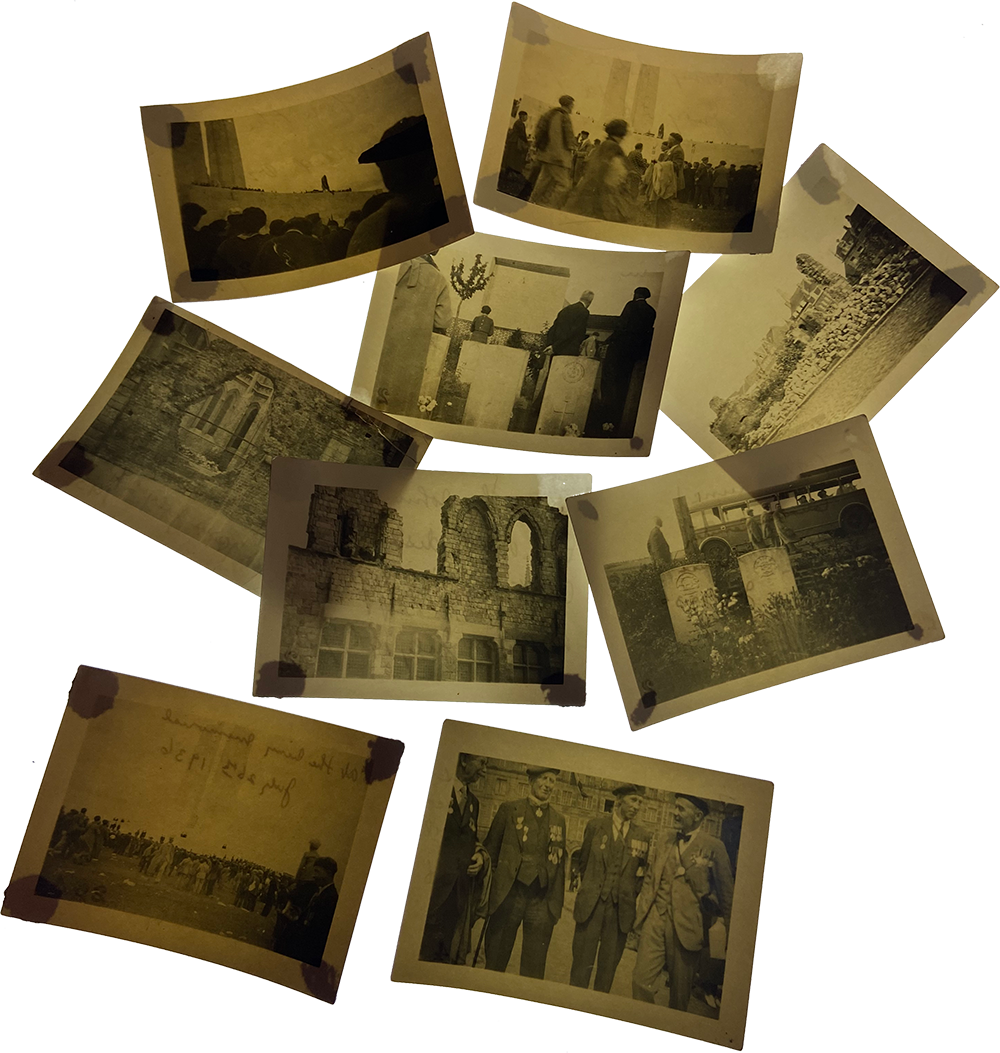
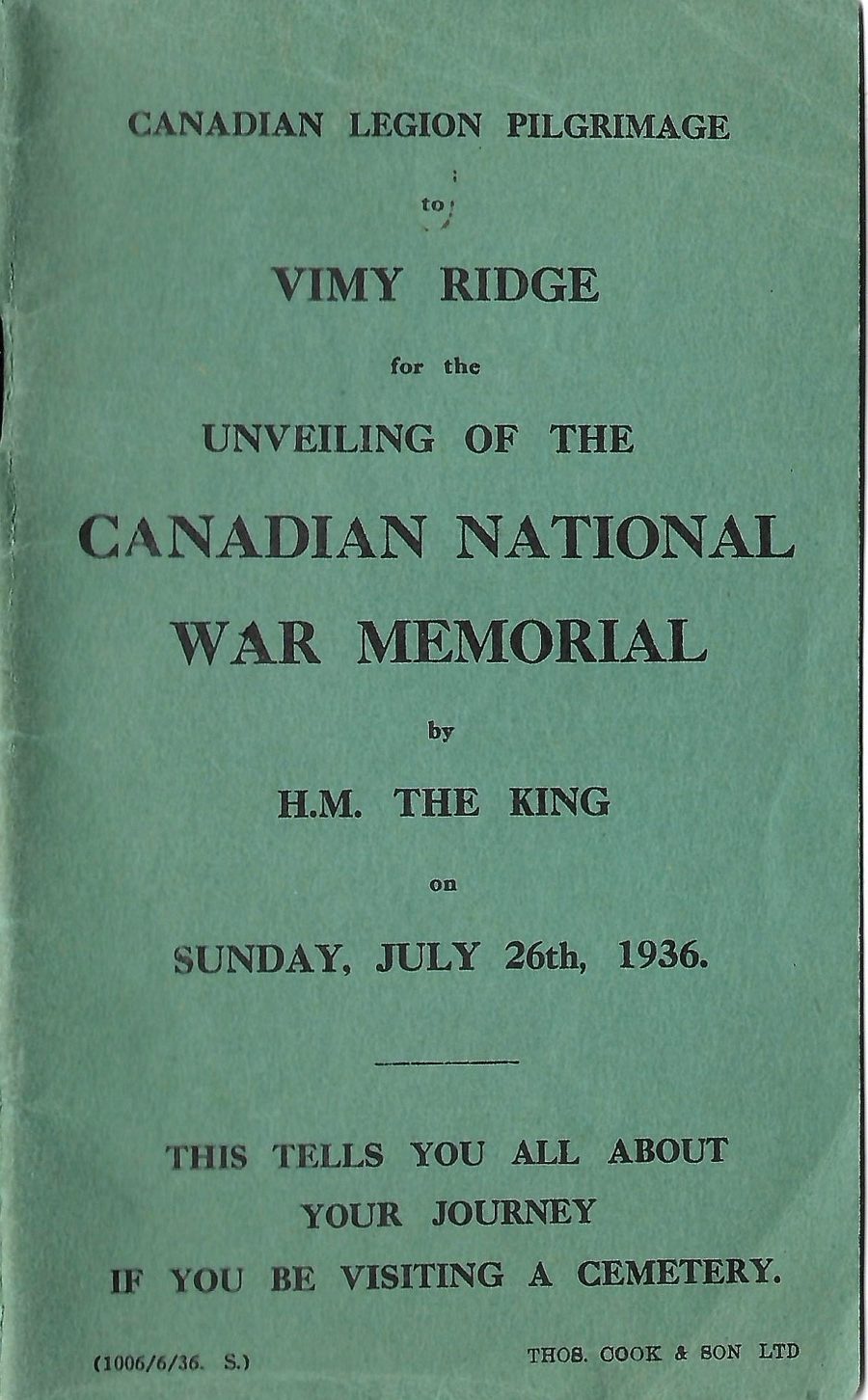
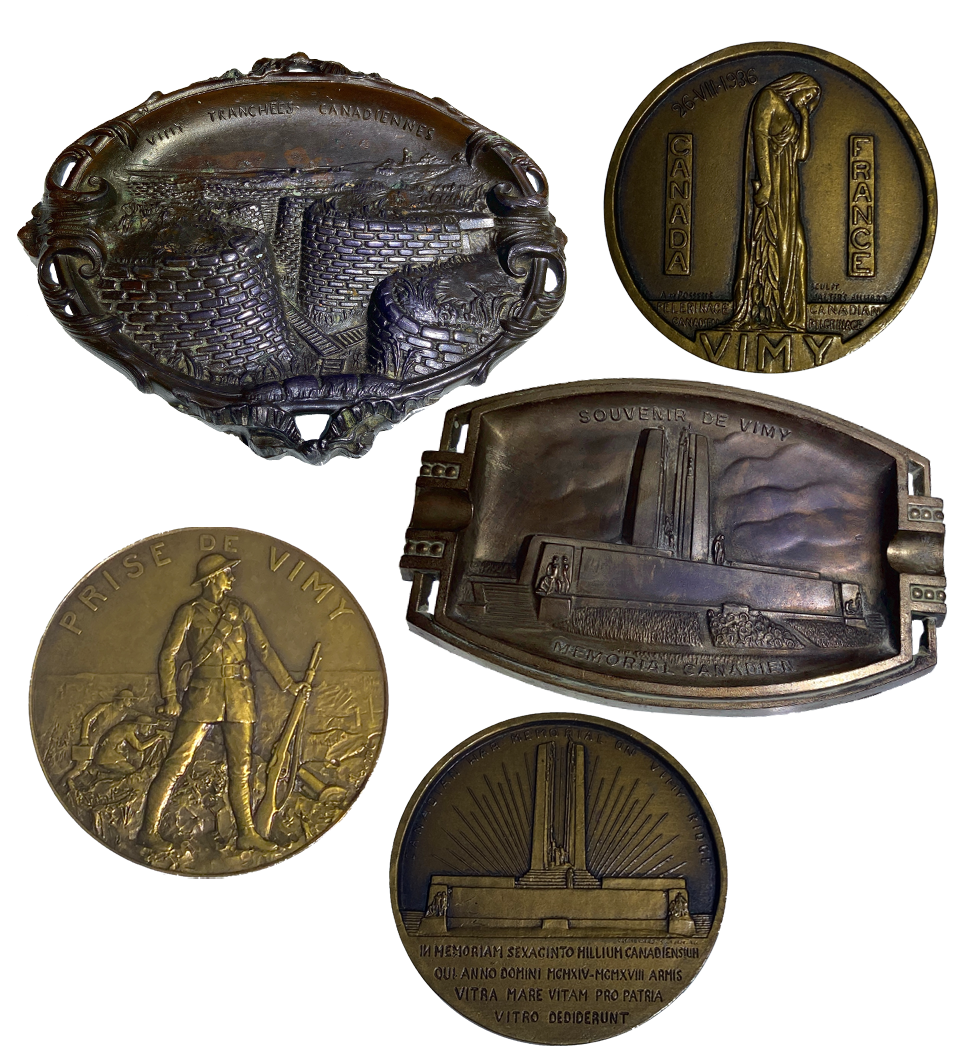
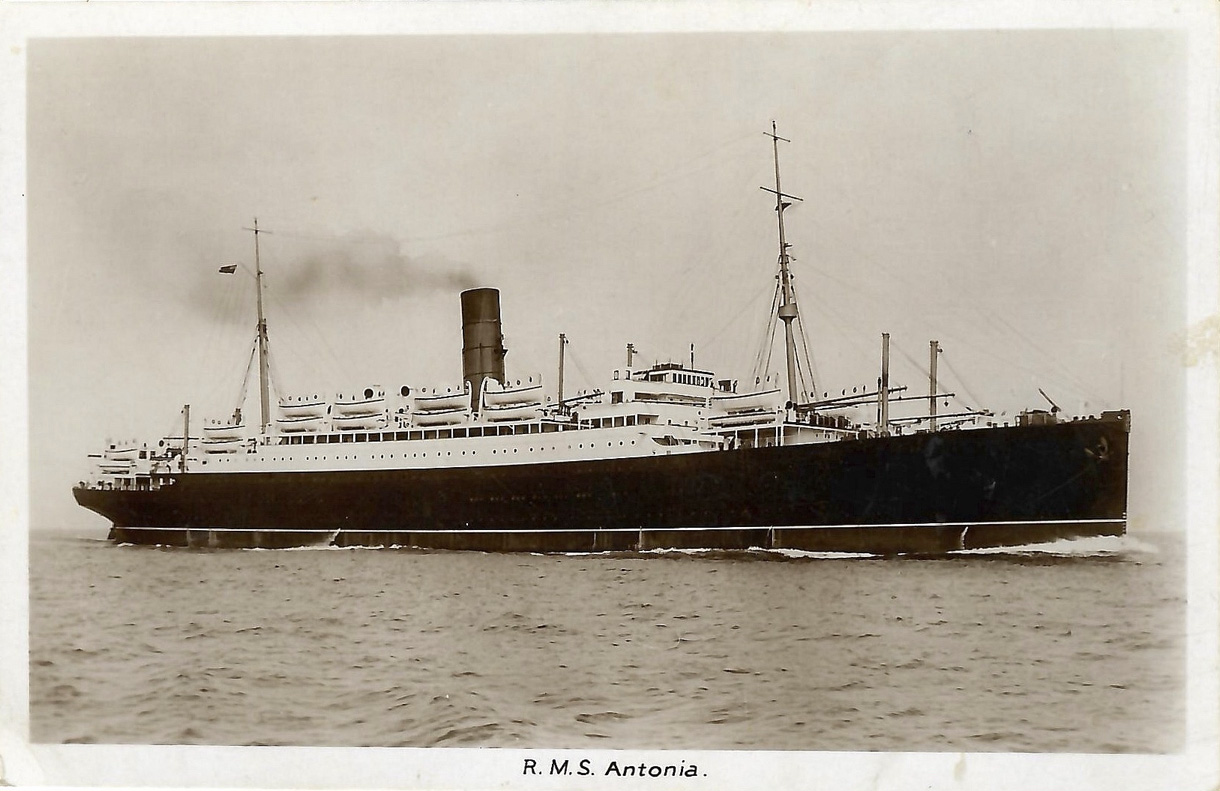
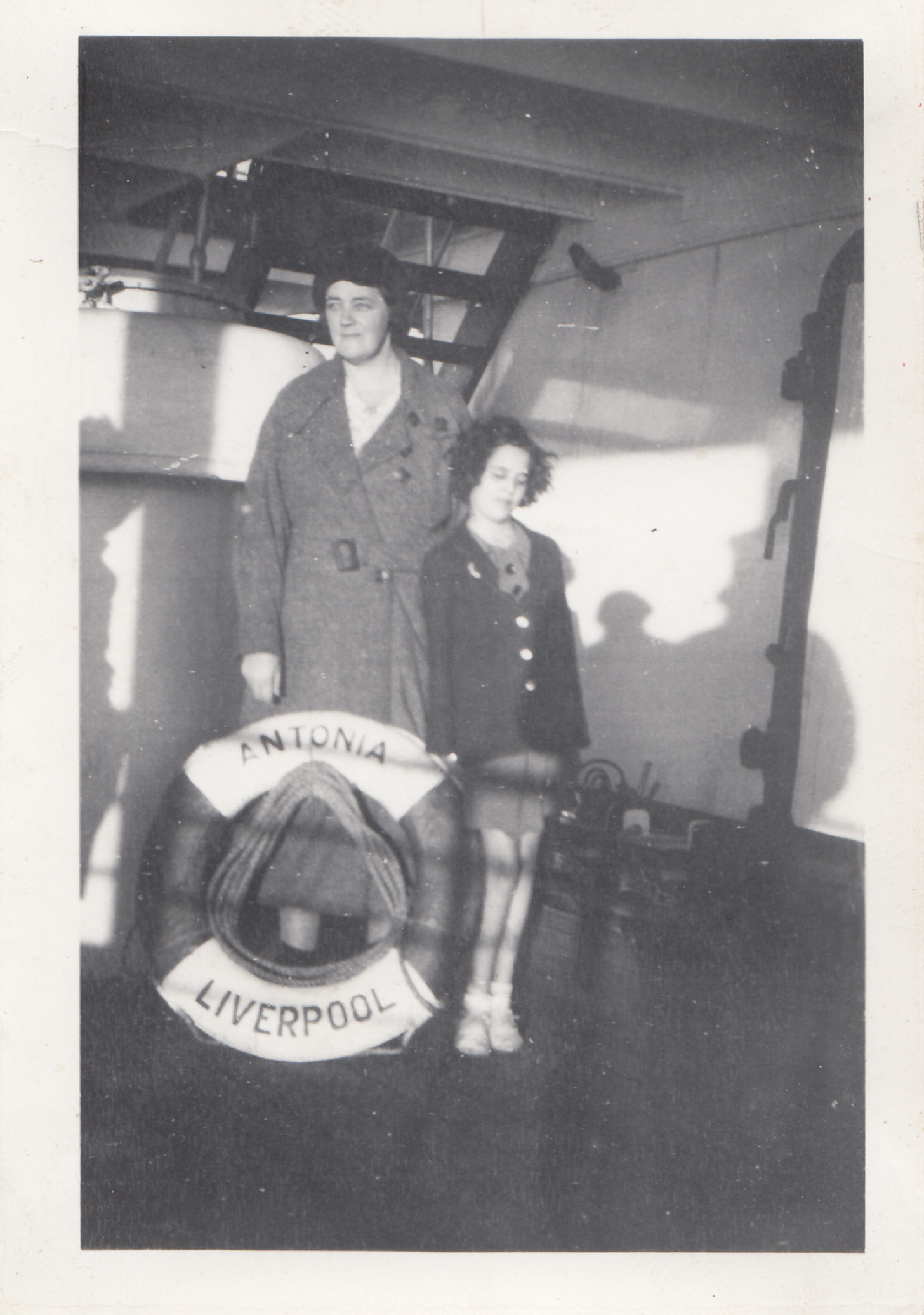
Photo postcard of the RMS Antonia / CCGW Collection
PLANNING THE
VOYAGE
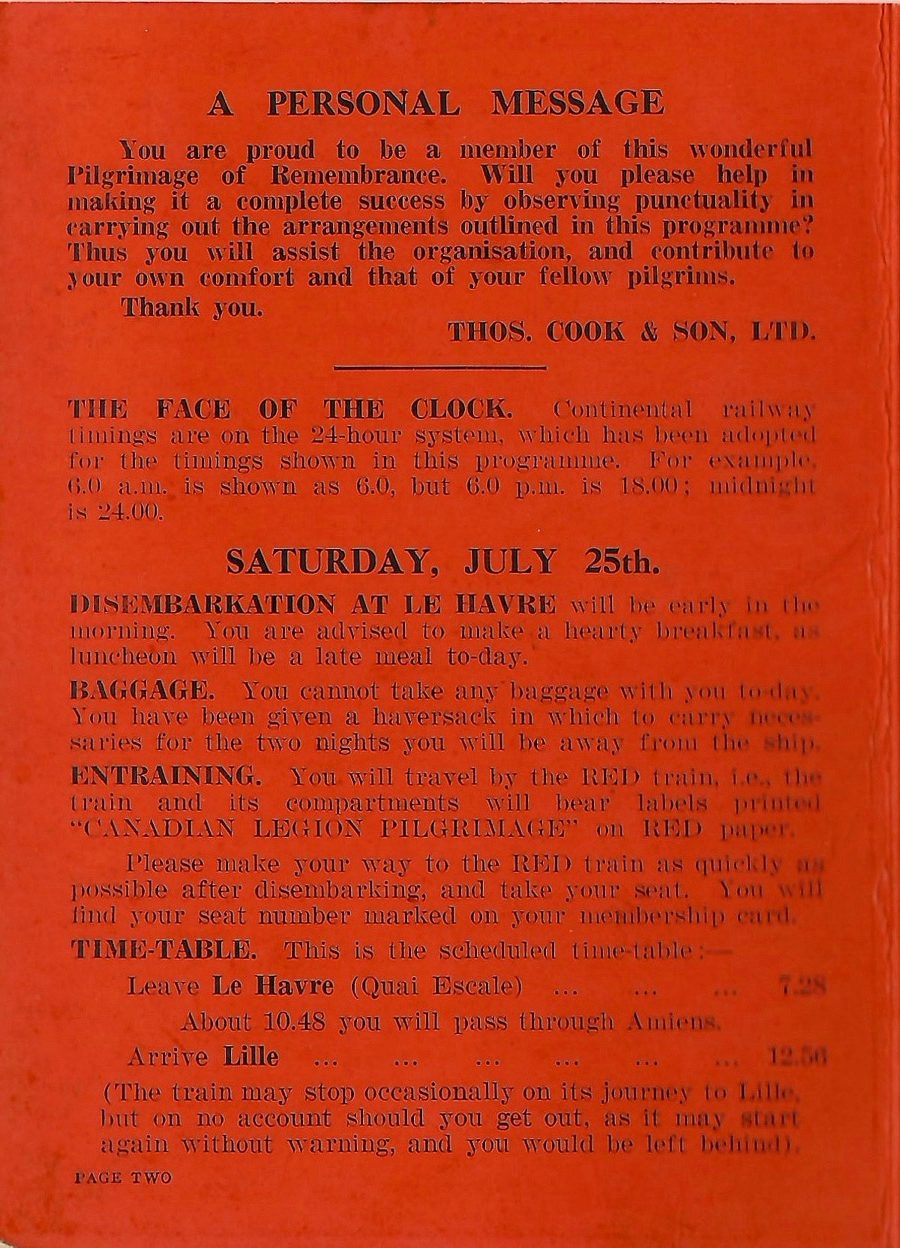
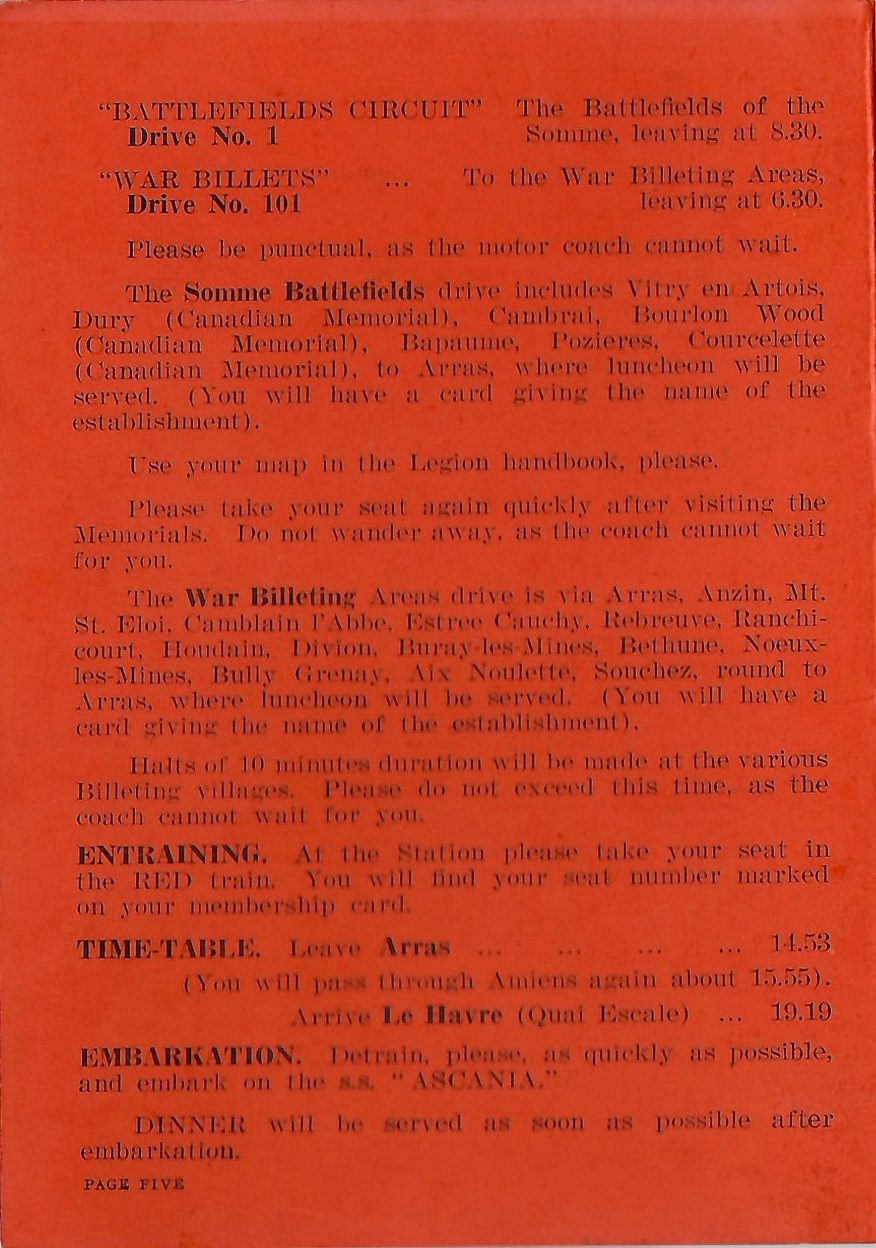
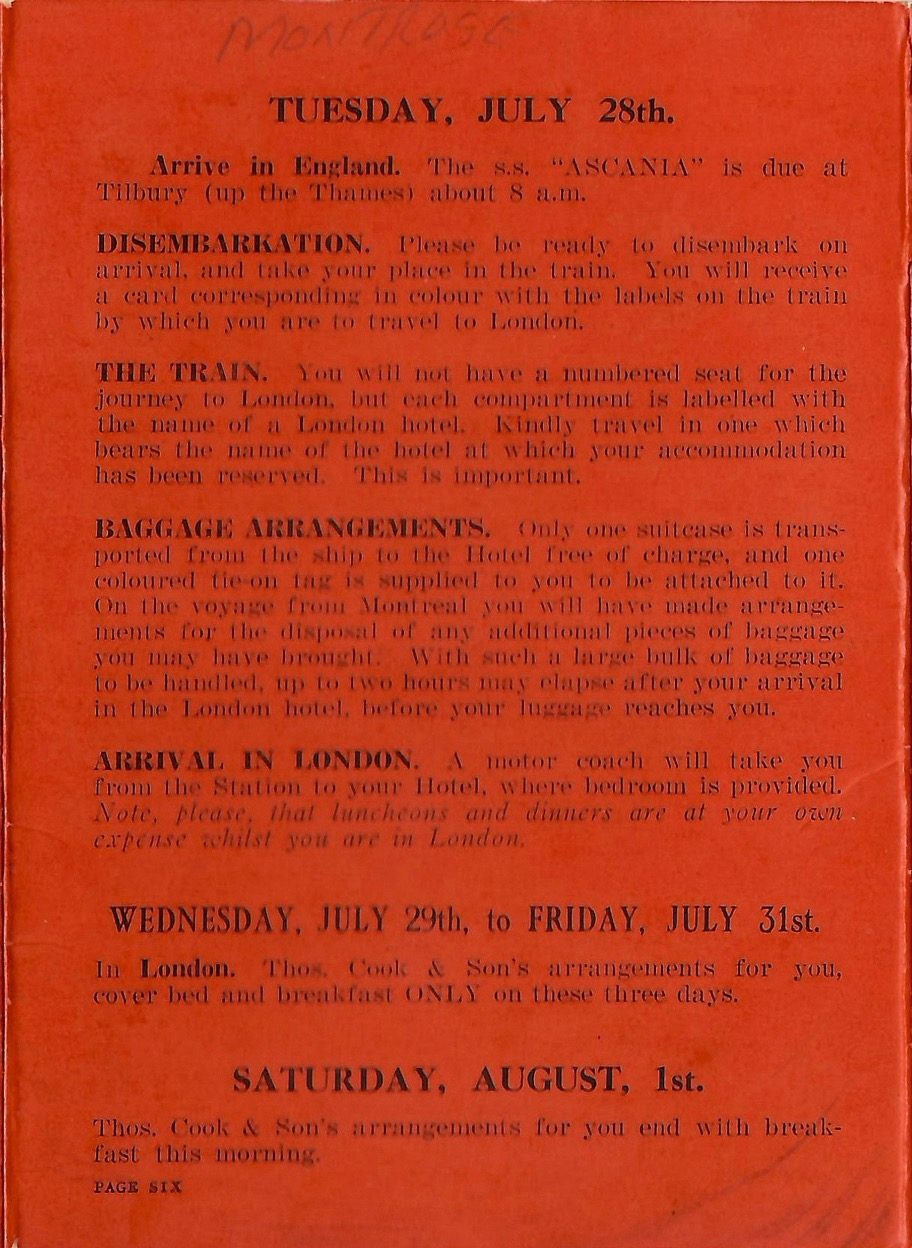
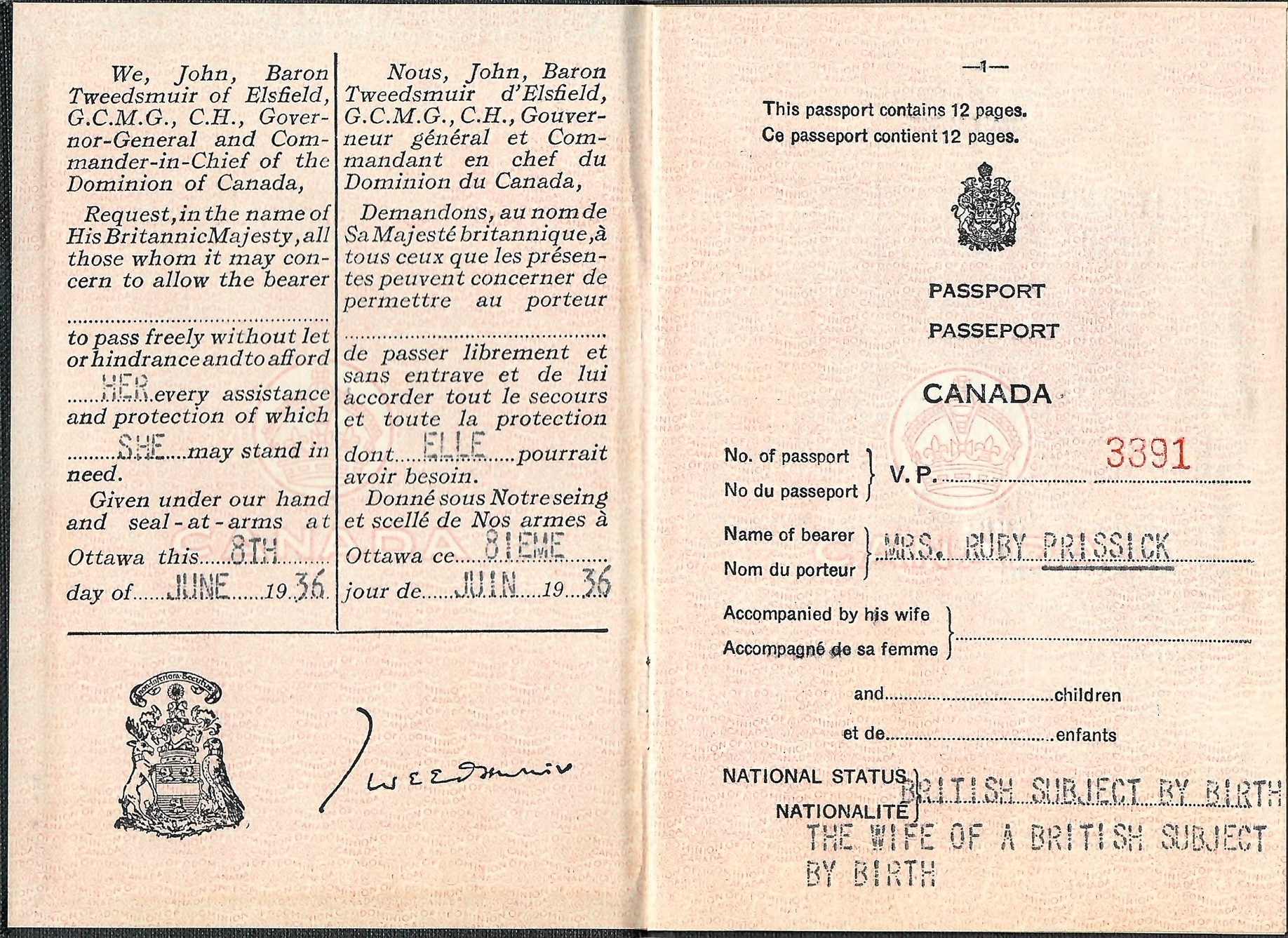
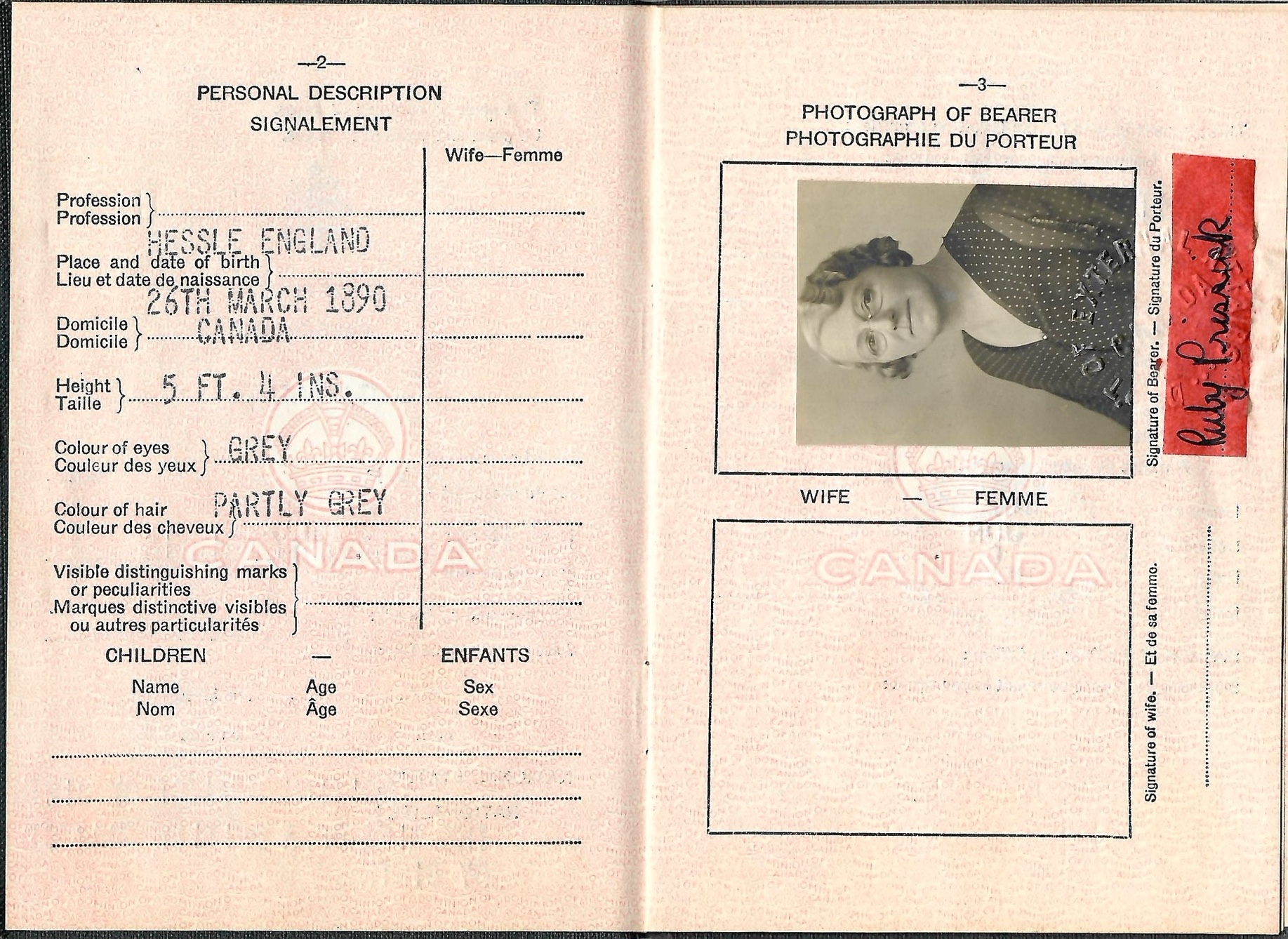
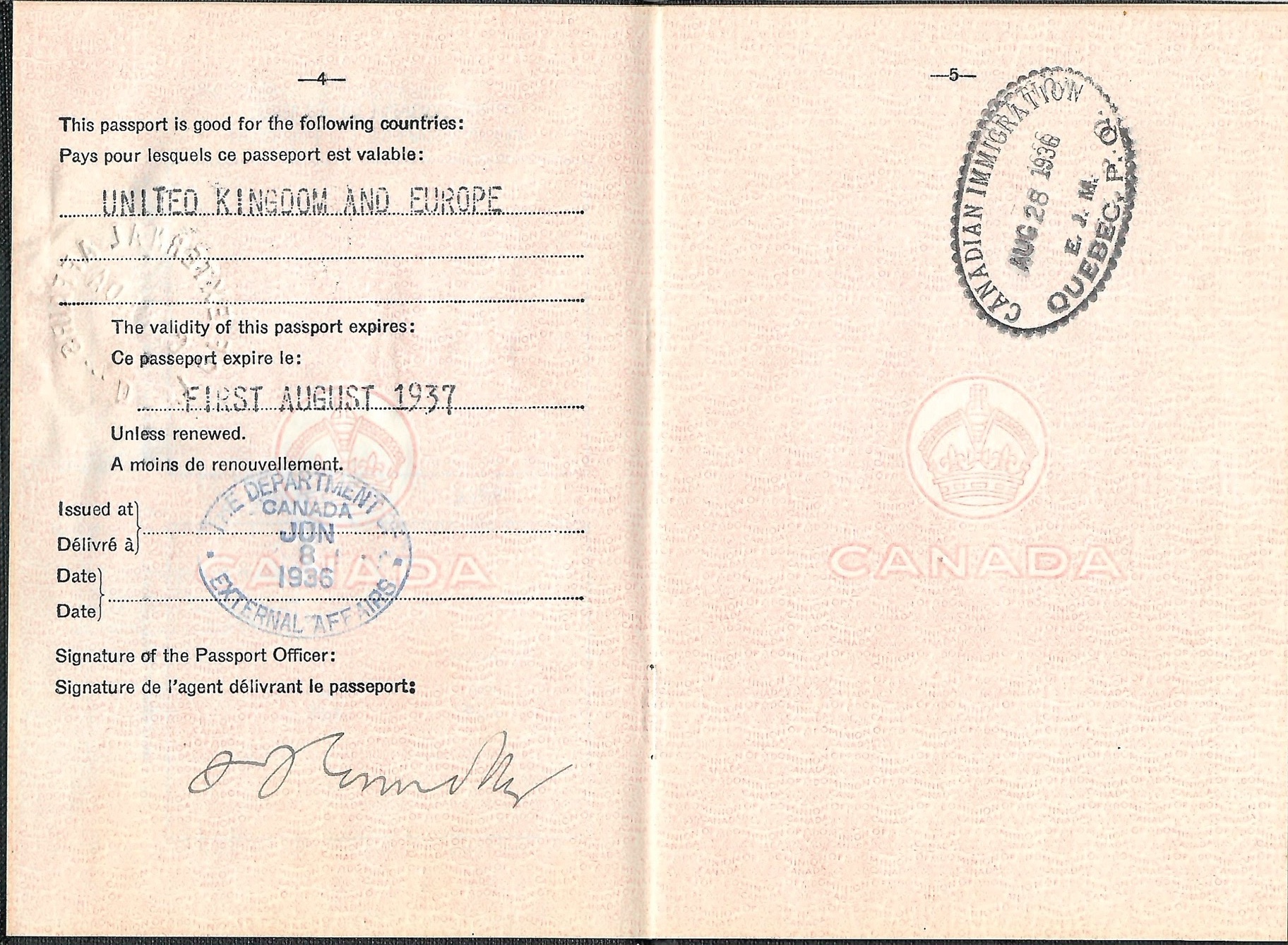
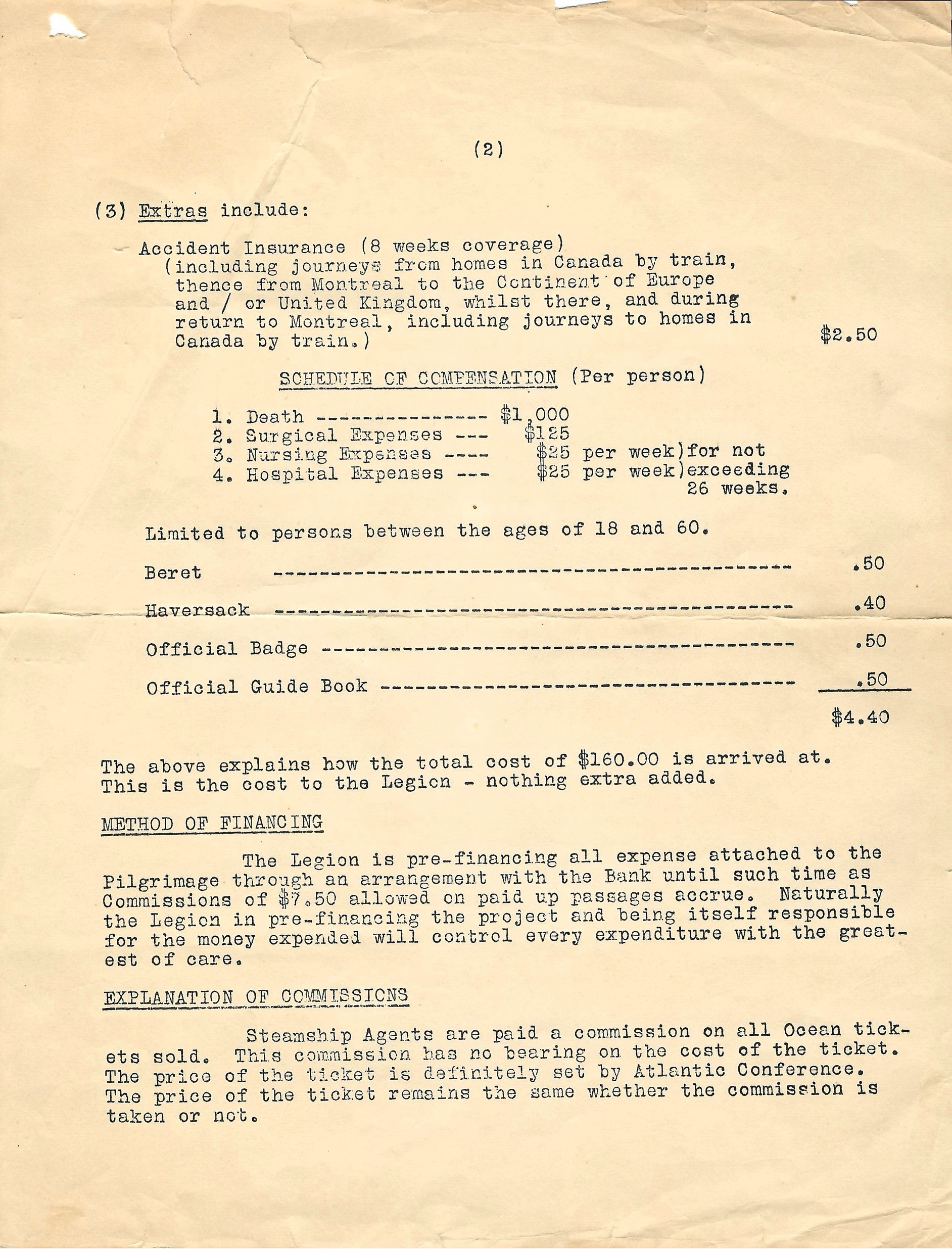
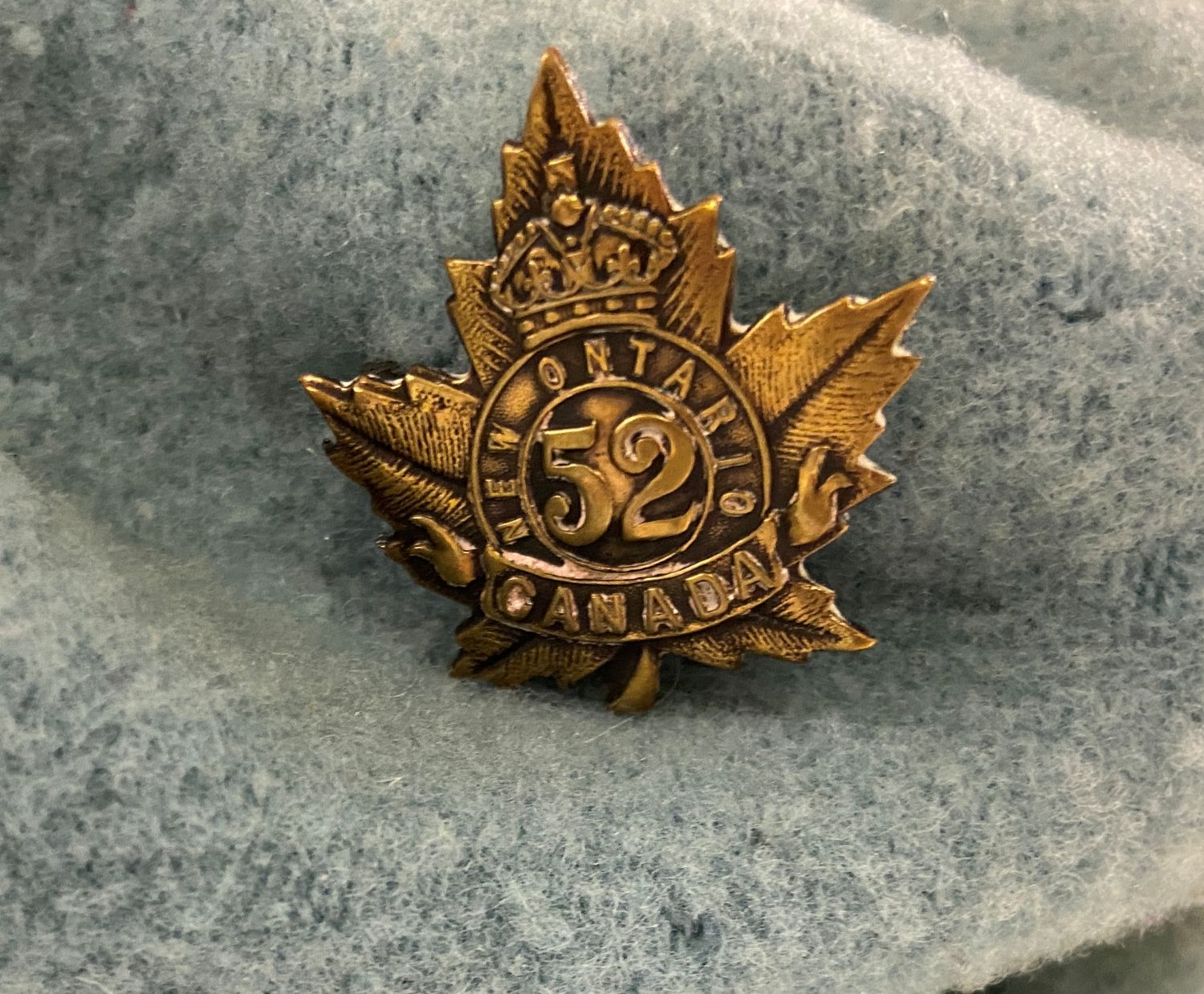
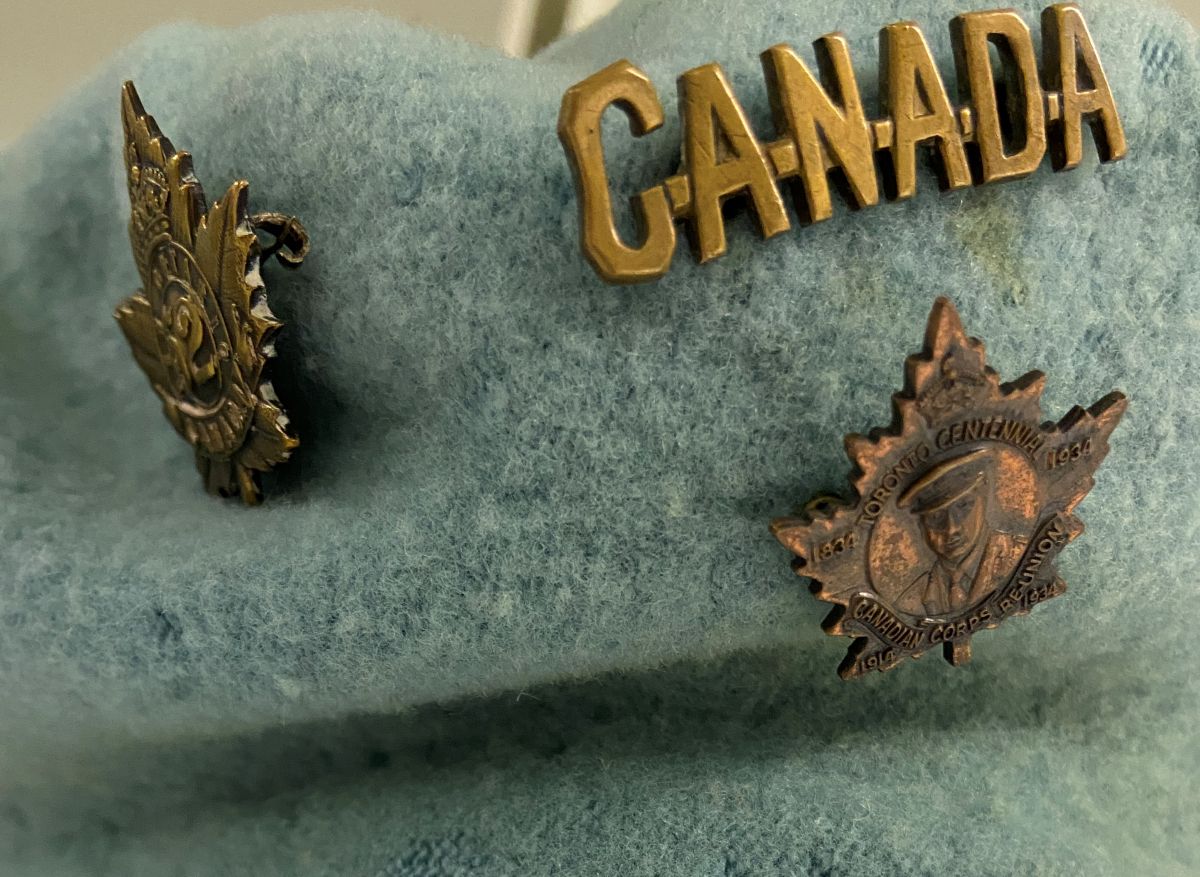
For $160 per person ($3,580 in 2026), the pilgrimage included a 3½-week trip to France, Belgium, and England. A $10 deposit was required, with the remaining sum to be paid in six installments. The French Government also offered an additional five days at no expense, which more than 5,000 pilgrims accepted. The pilgrimage included meals, accommodations, sea and land transportation, health insurance, a Vimy Passport, and equipment (a beret, haversack, and guidebook). The cost of rail travel within Canada was reduced, and veterans in civil service were offered 11 days of paid leave.
NO PRICE TOO HIGH
Amy Baker, a wounded nurse, wished to attend the pilgrimage but could not afford it. Her story feature in The Globe, and through this, she managed to secured funding via donations by readers of the newspaper.
Archival footage of the Vimy Pilgrimage, 1936
Wilfred Prissick for the Canadian Legion
2025.06 | Gift of Debby McCracken
CCGW Collection
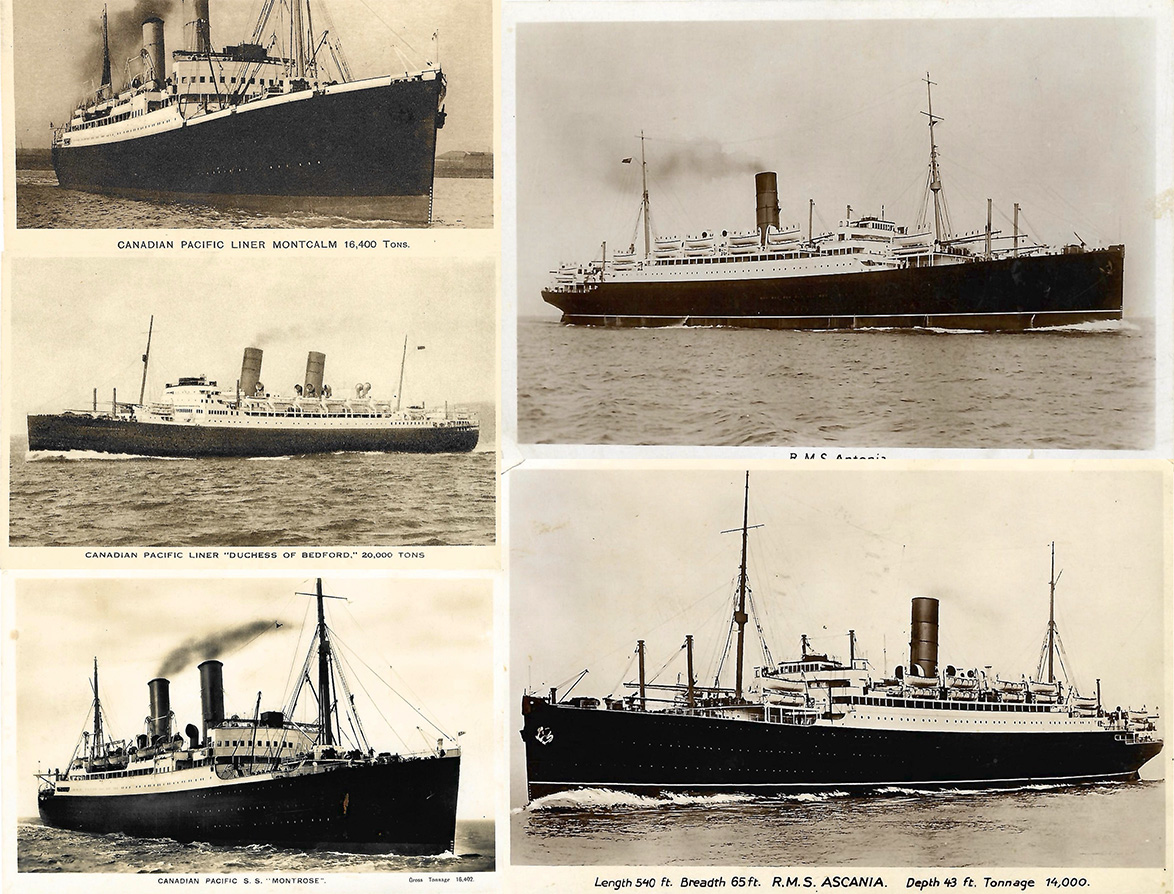
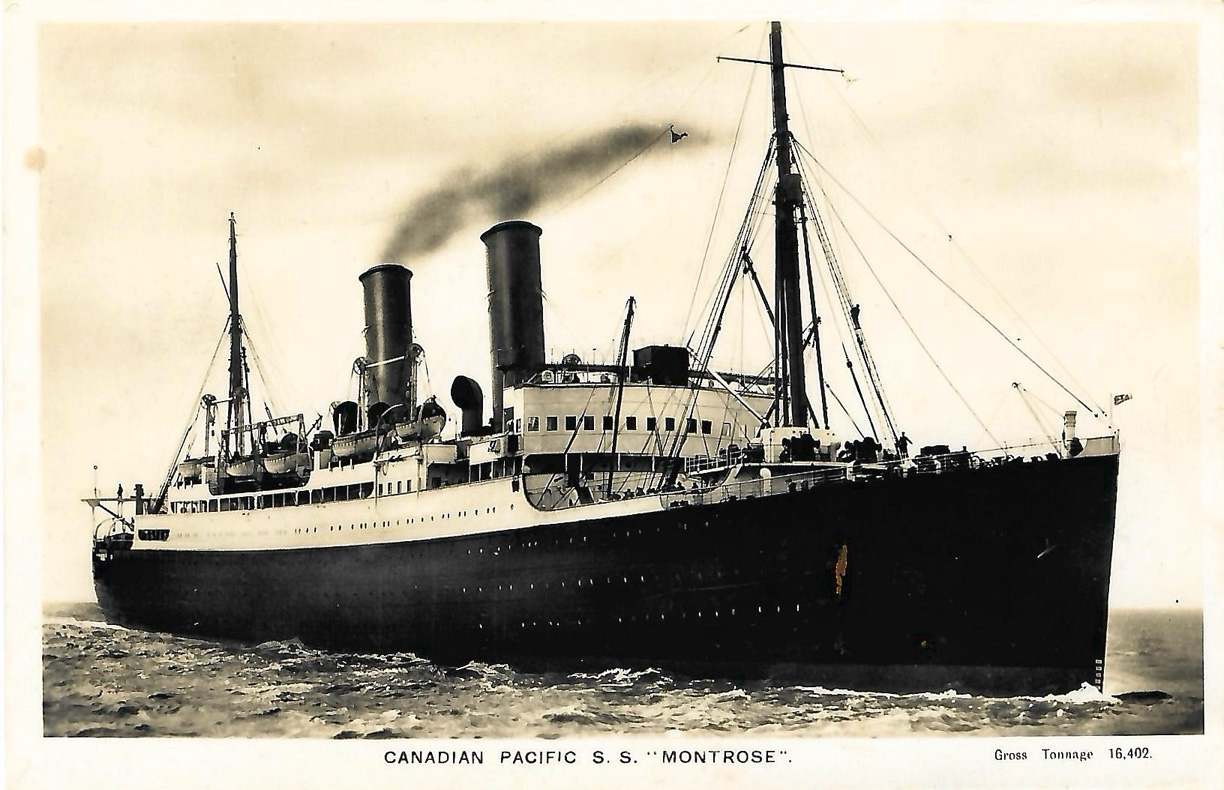
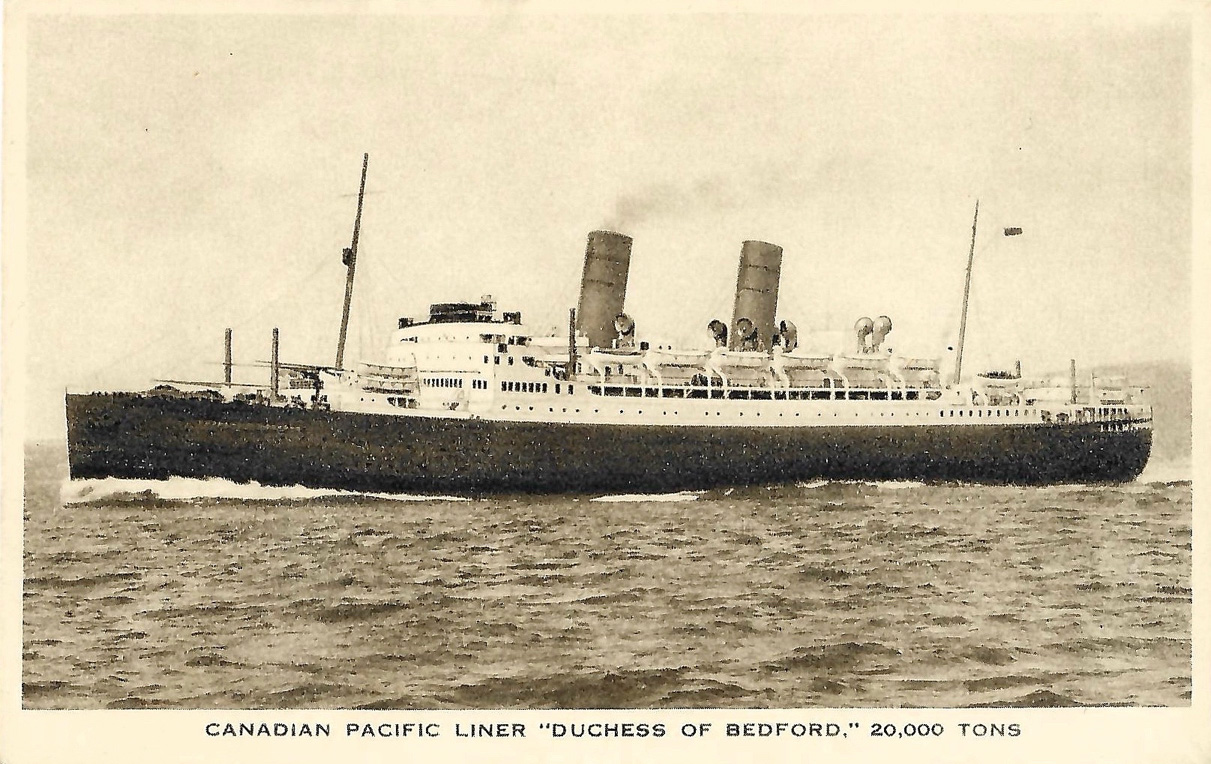
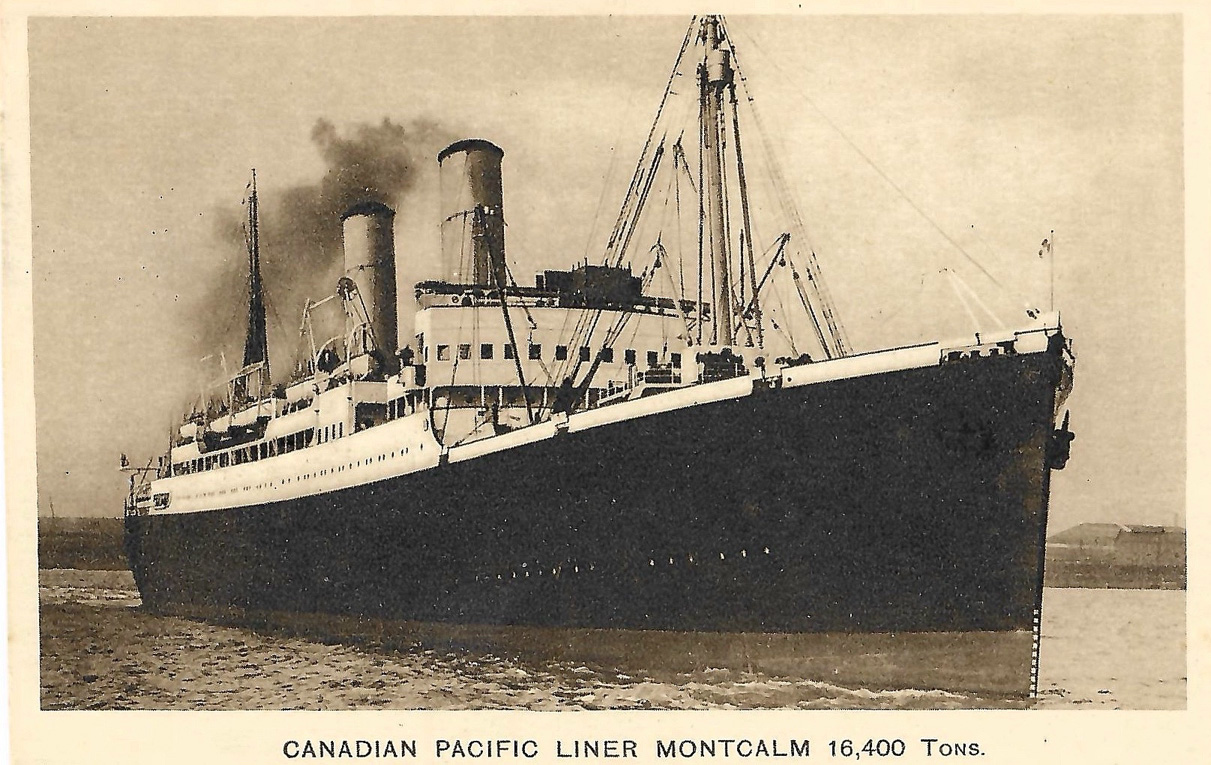
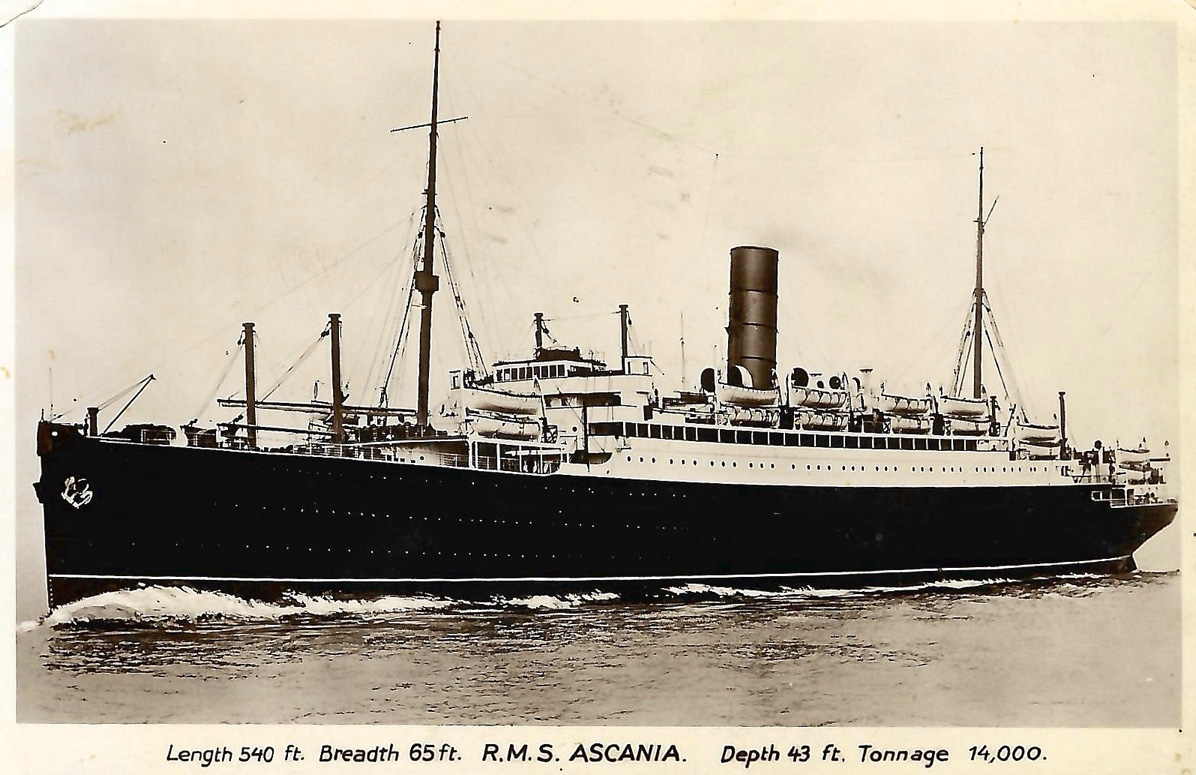
Photo postcards of the SS Duchess of Bedford, SS Montrose, SS Montcalm, RMS Antonia, and RMS Ascania.
CCGW Collection
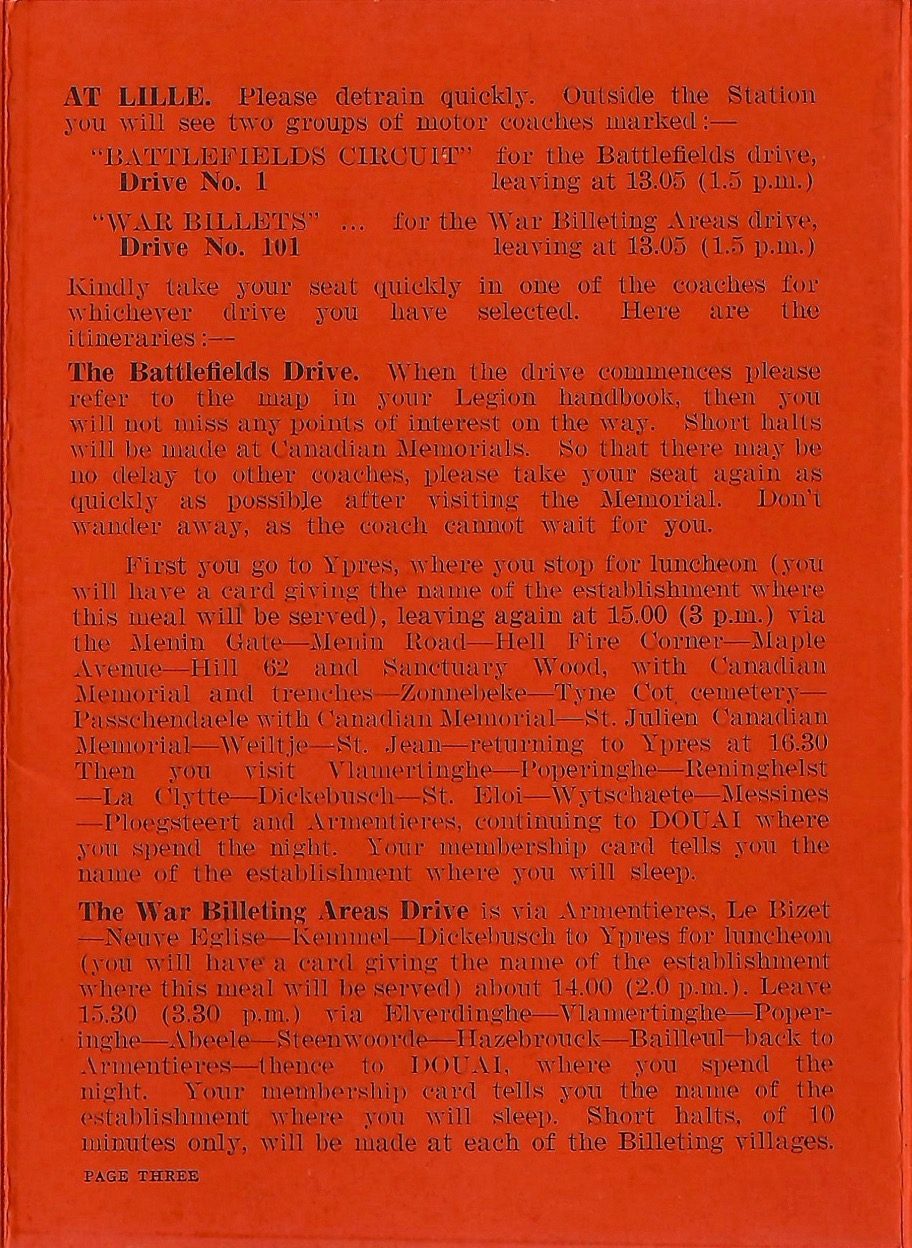
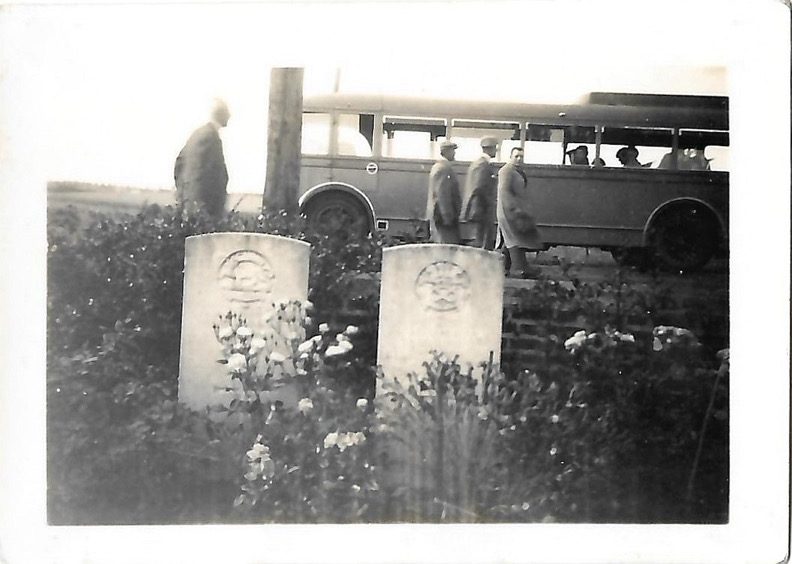
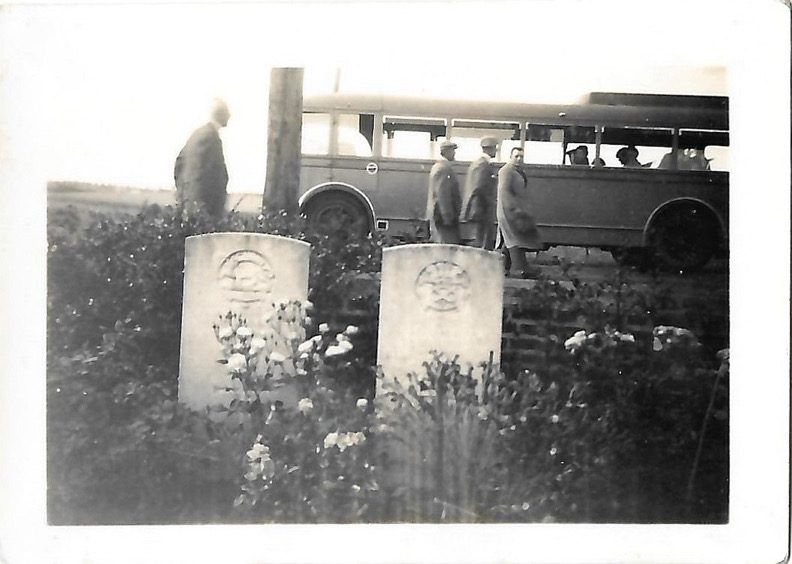
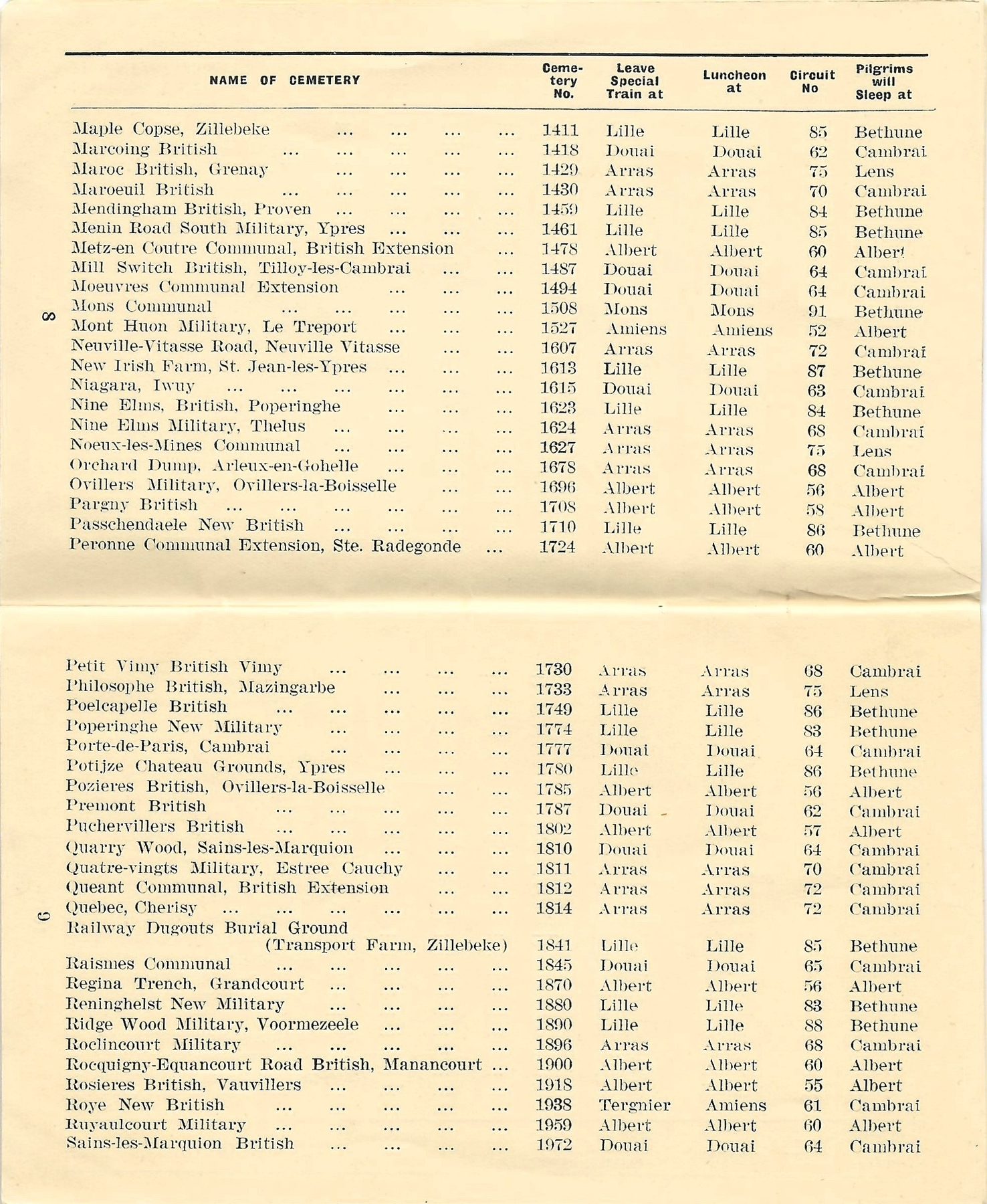
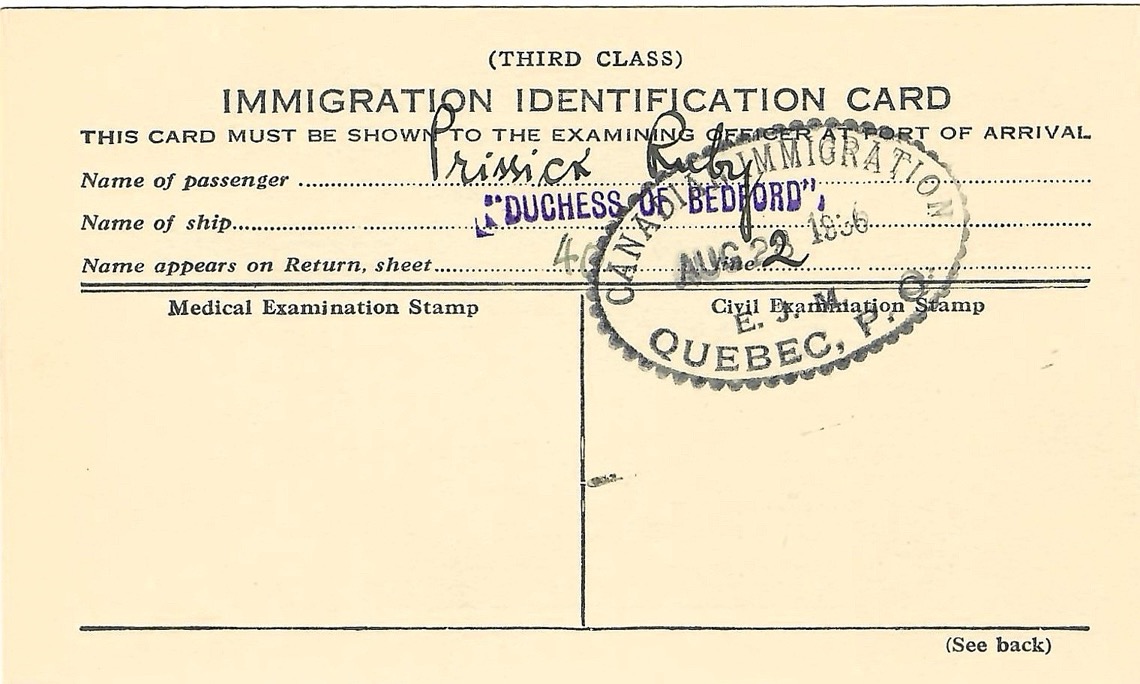
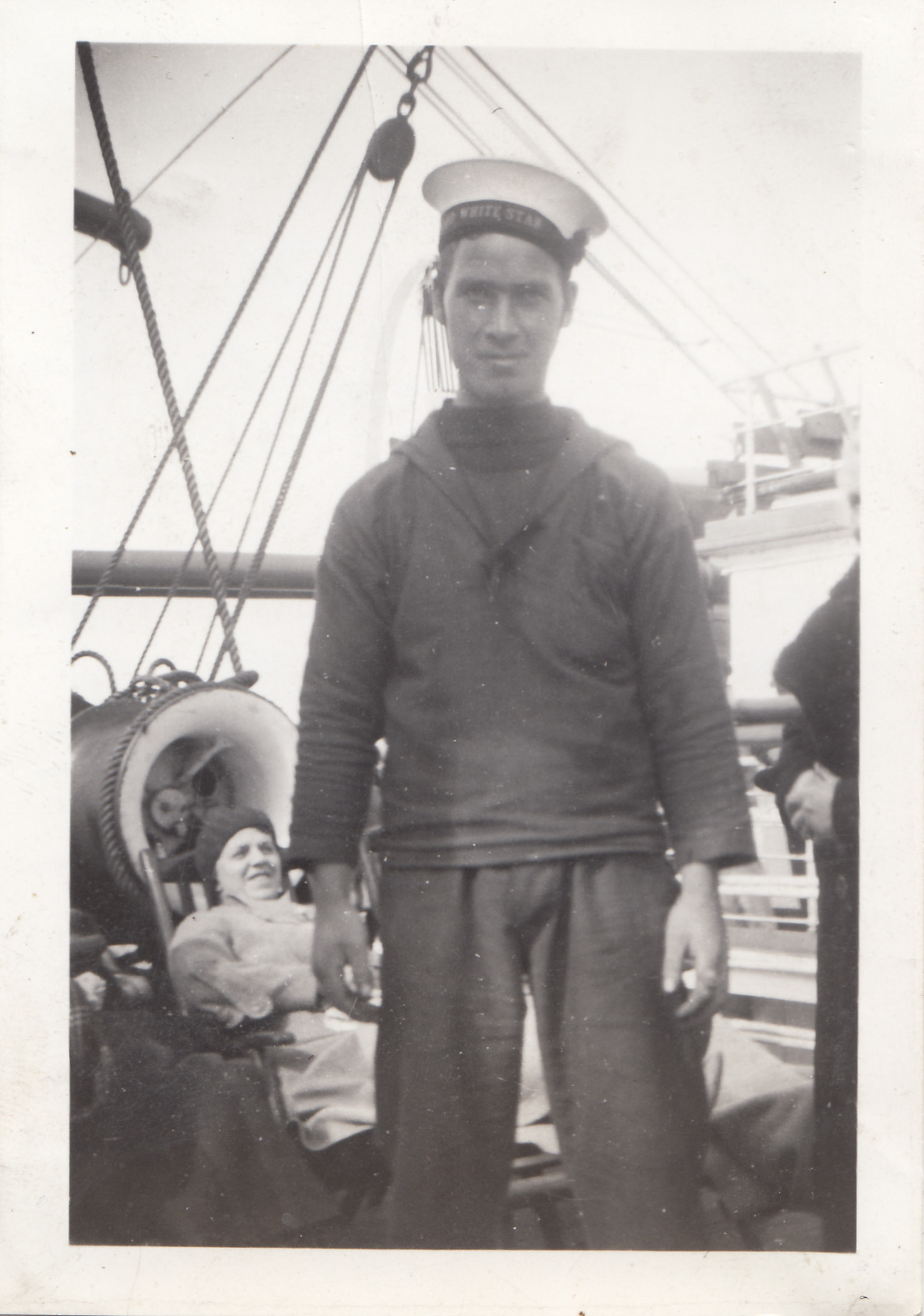
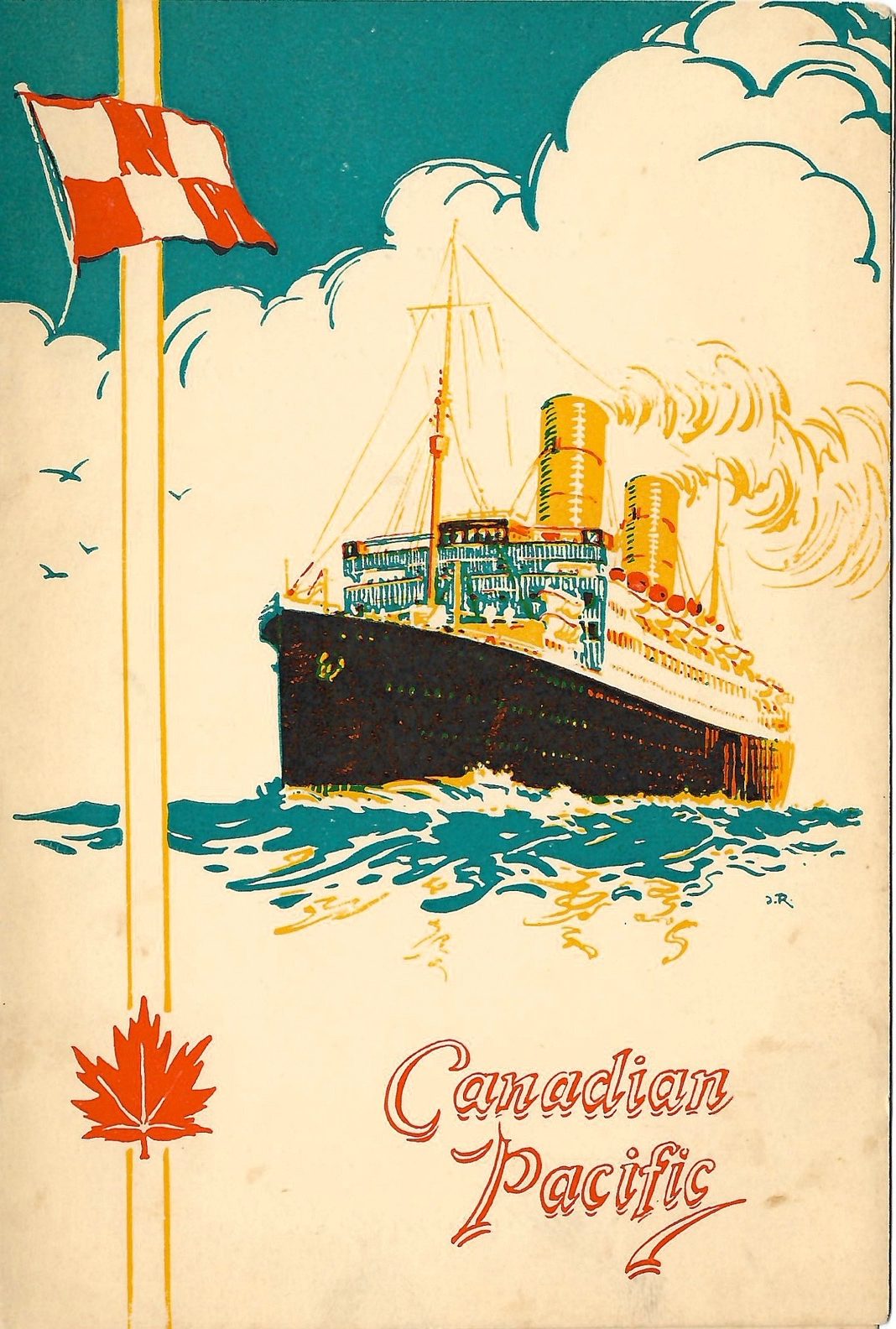
Five passenger vessels carried pilgrims from Montreal to Le Havre, France and Antwerp, Belgium: SS Duchess of Bedford, SS Montrose, SS Montcalm, RMS Antonia, and RMS Ascania. Additionally, 235 motor coaches (buses) were outsourced to take pilgrims between hotels, ceremonies, and tours. The standard itinerary included visits to battlefields, memorials, and locations near the front lines where soldiers lived and trained. Special itineraries were arranged to accommodate requests from veterans and families to visit more than 300 different cemeteries.
GETTING AROUND
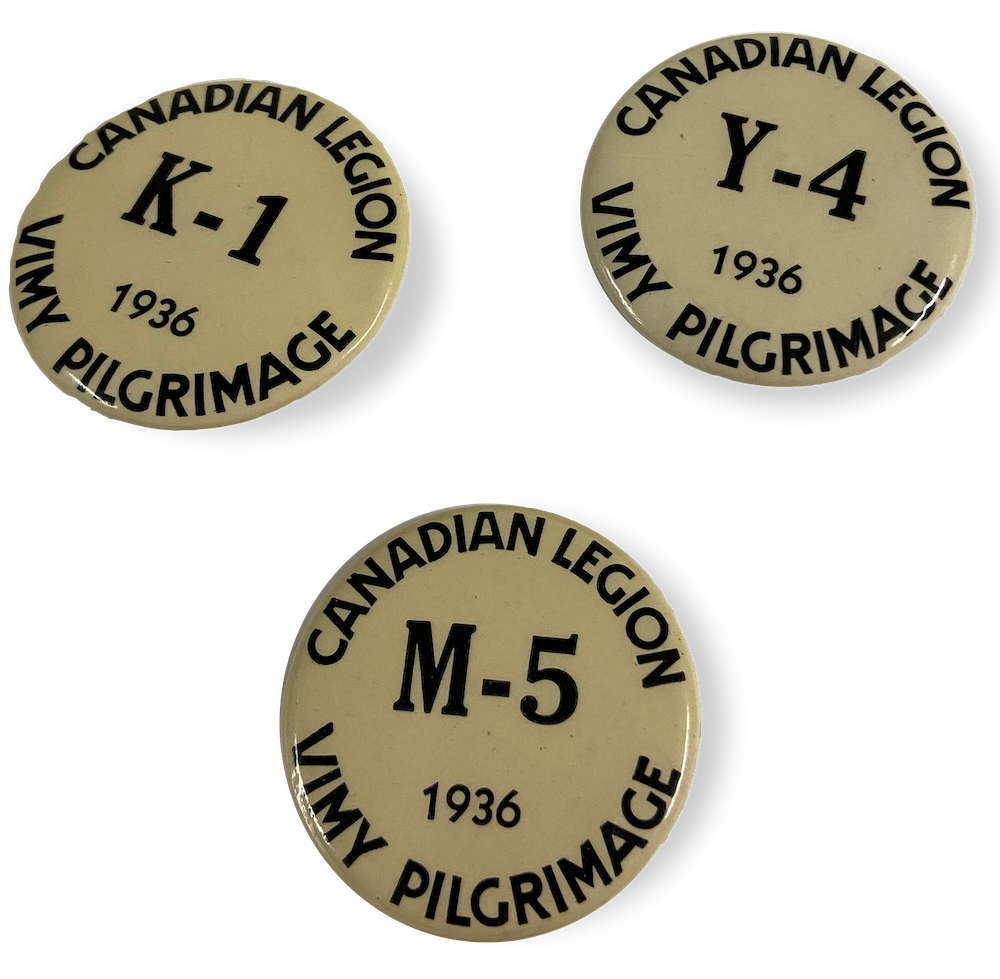
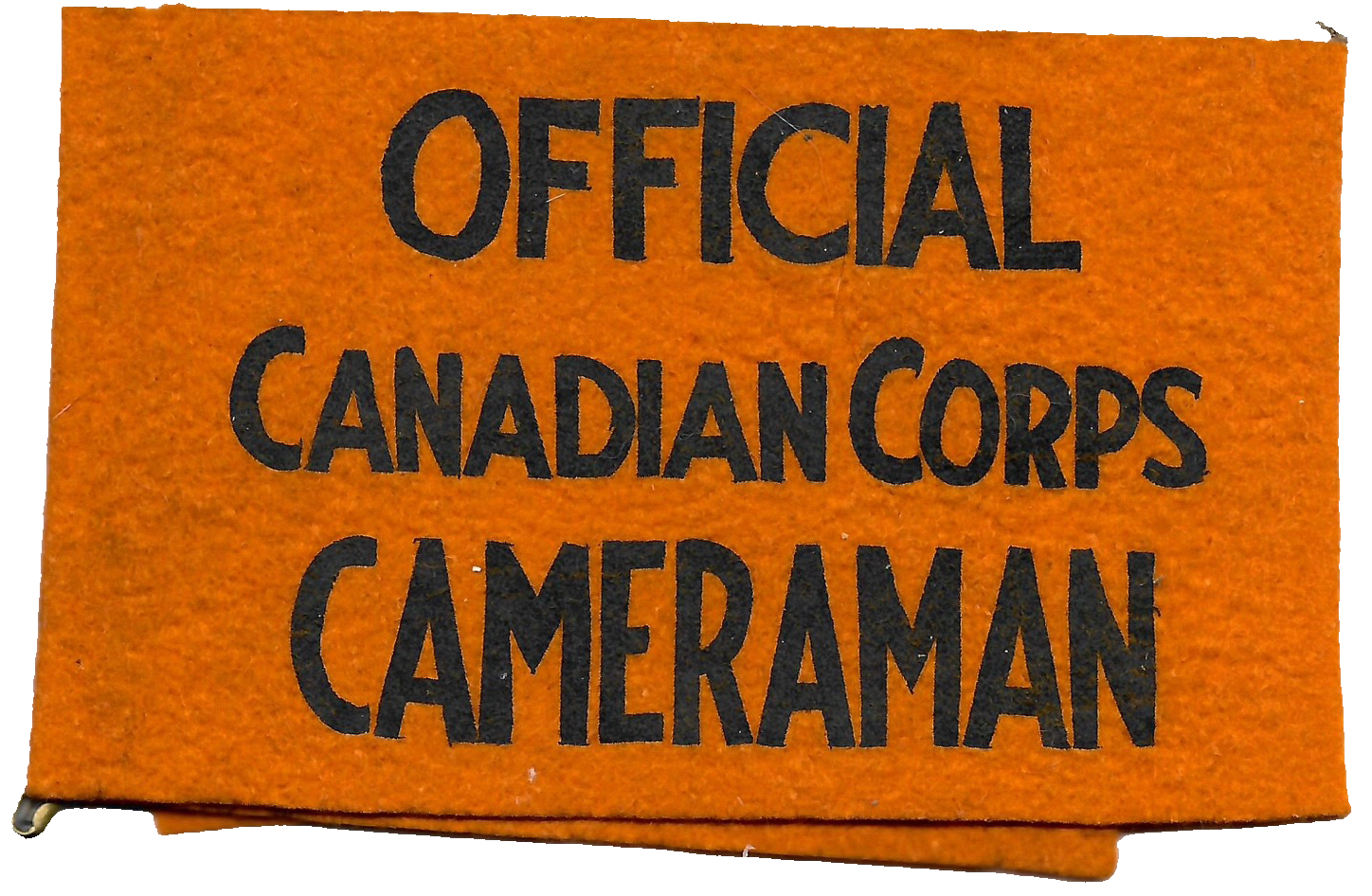
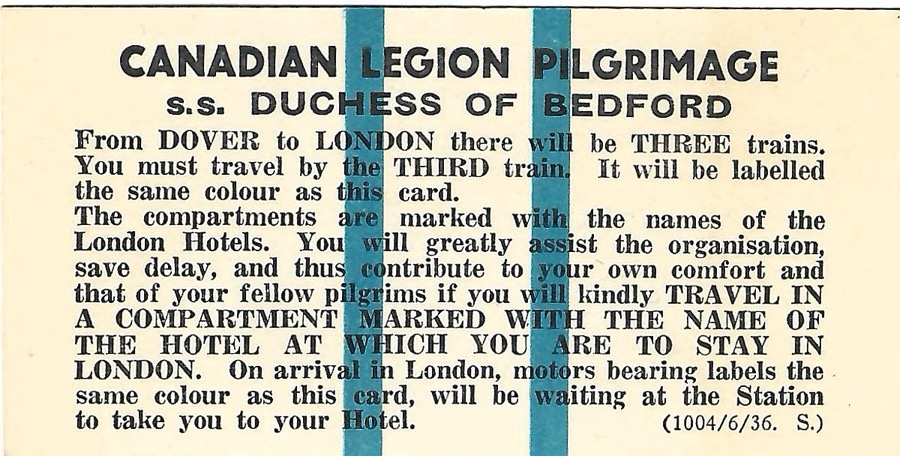
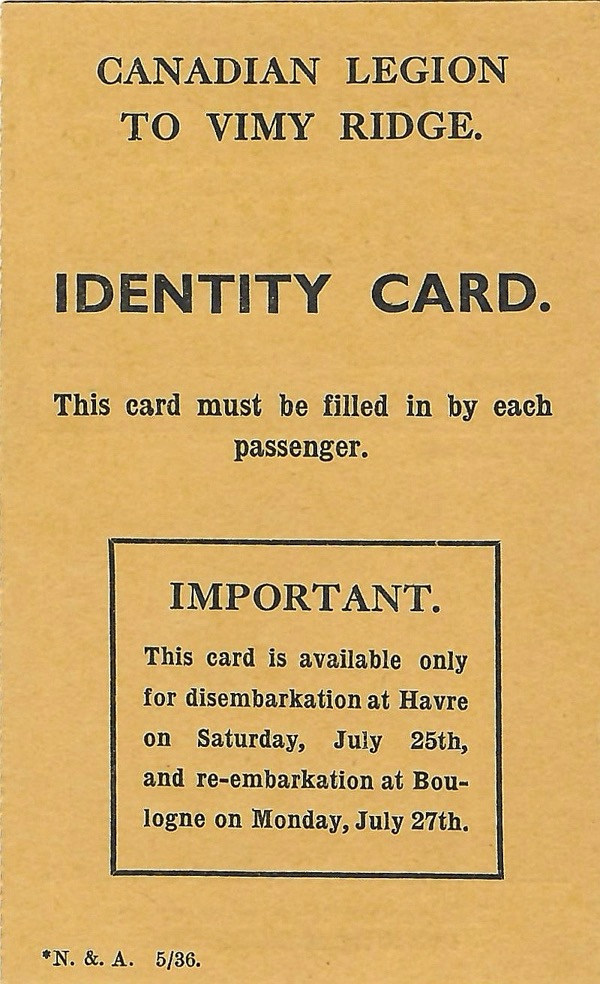
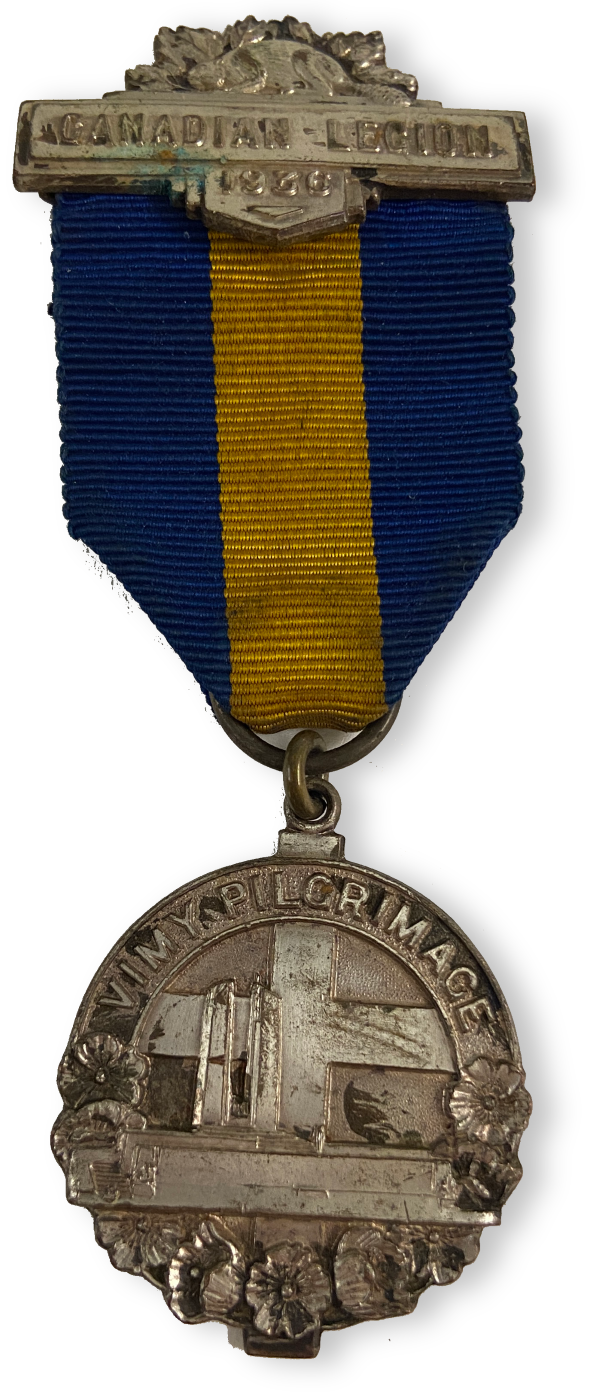
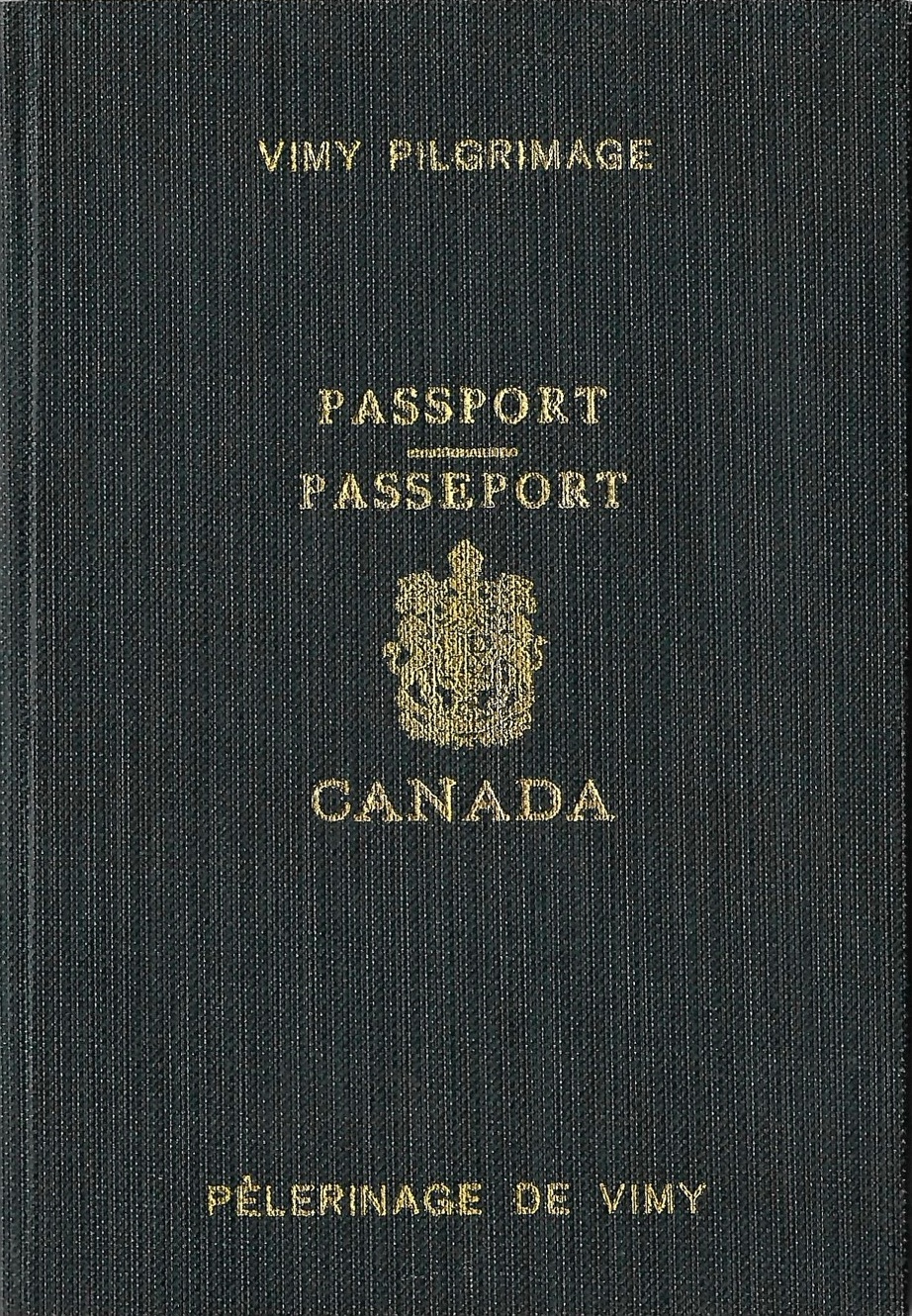
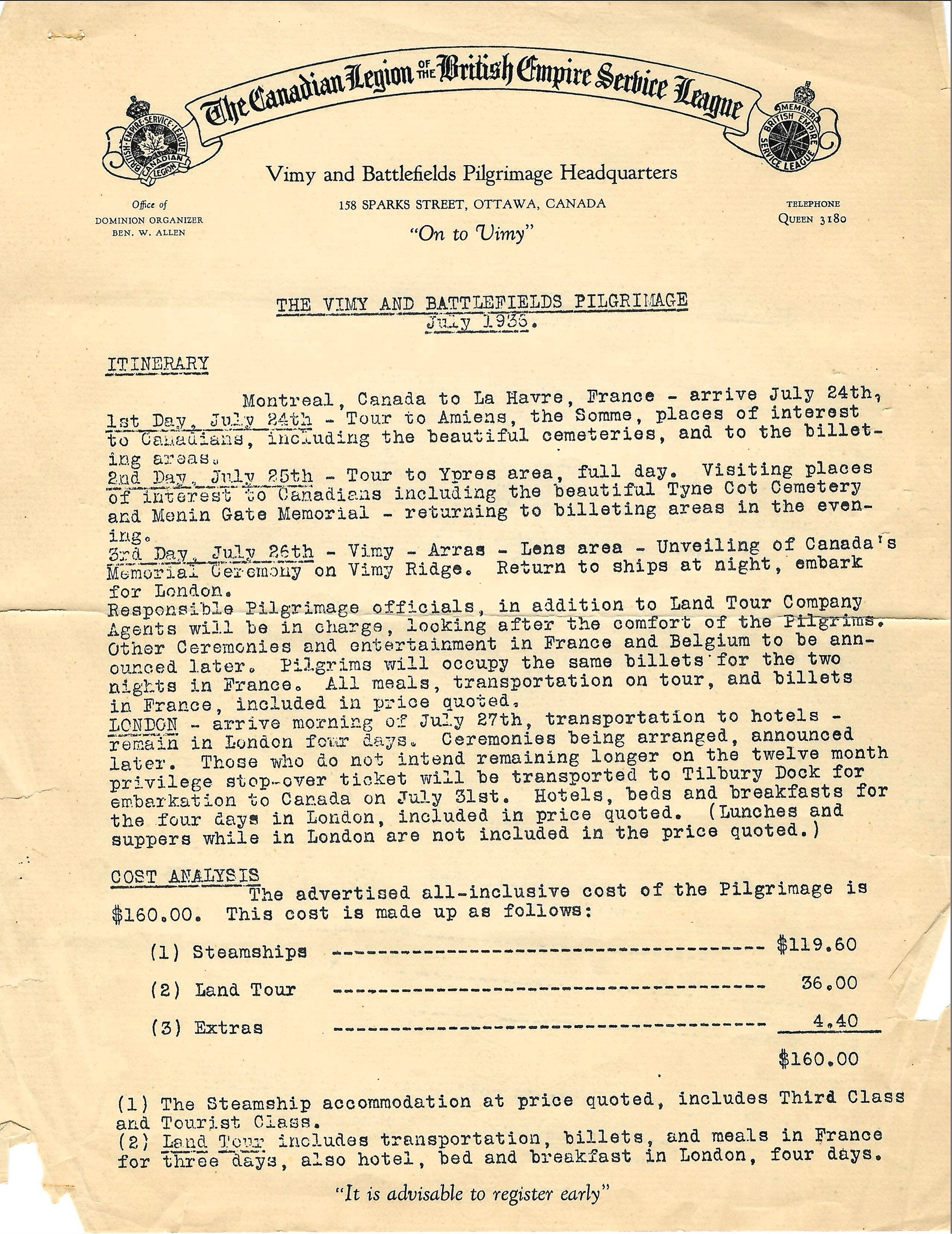
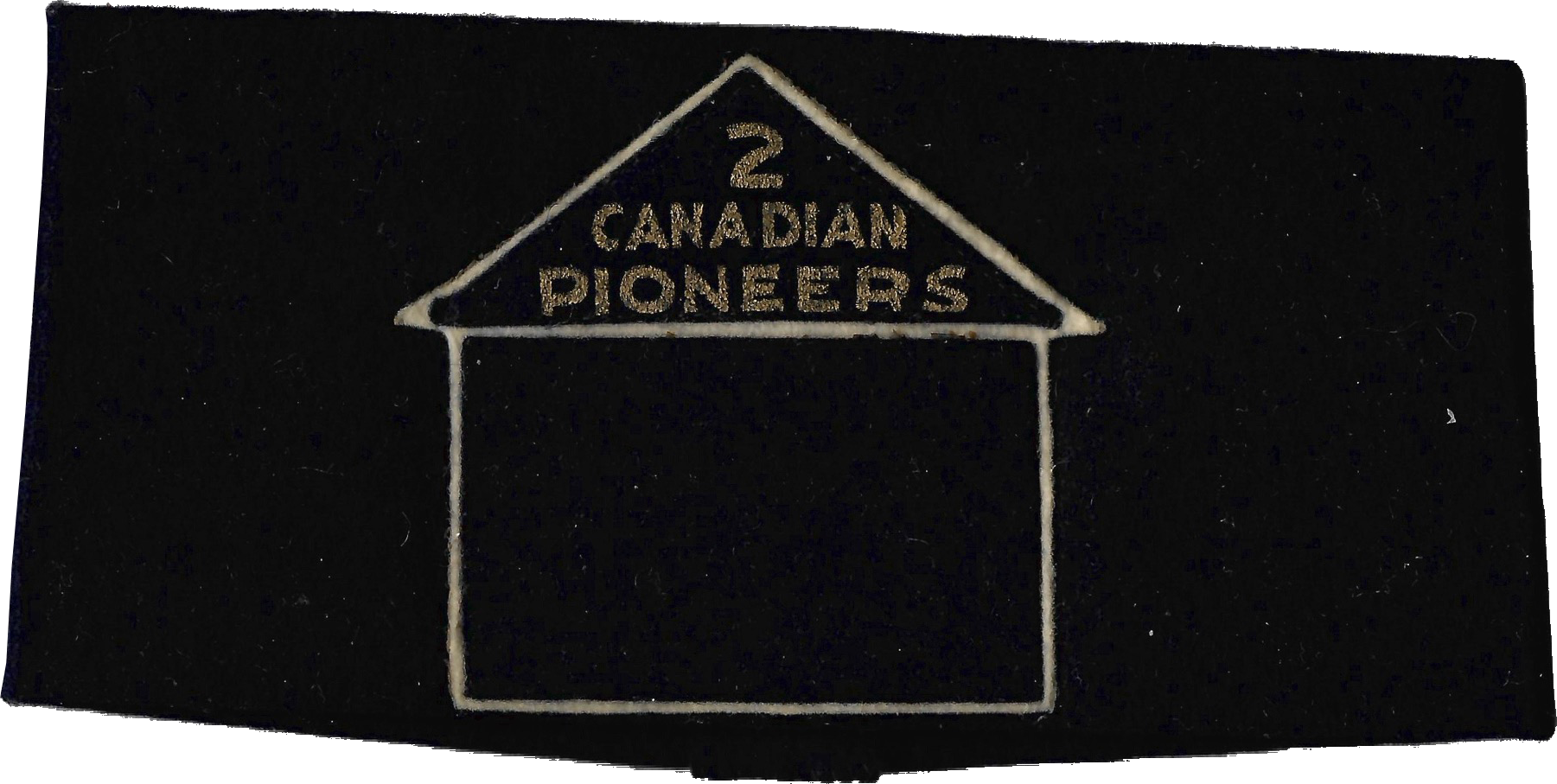
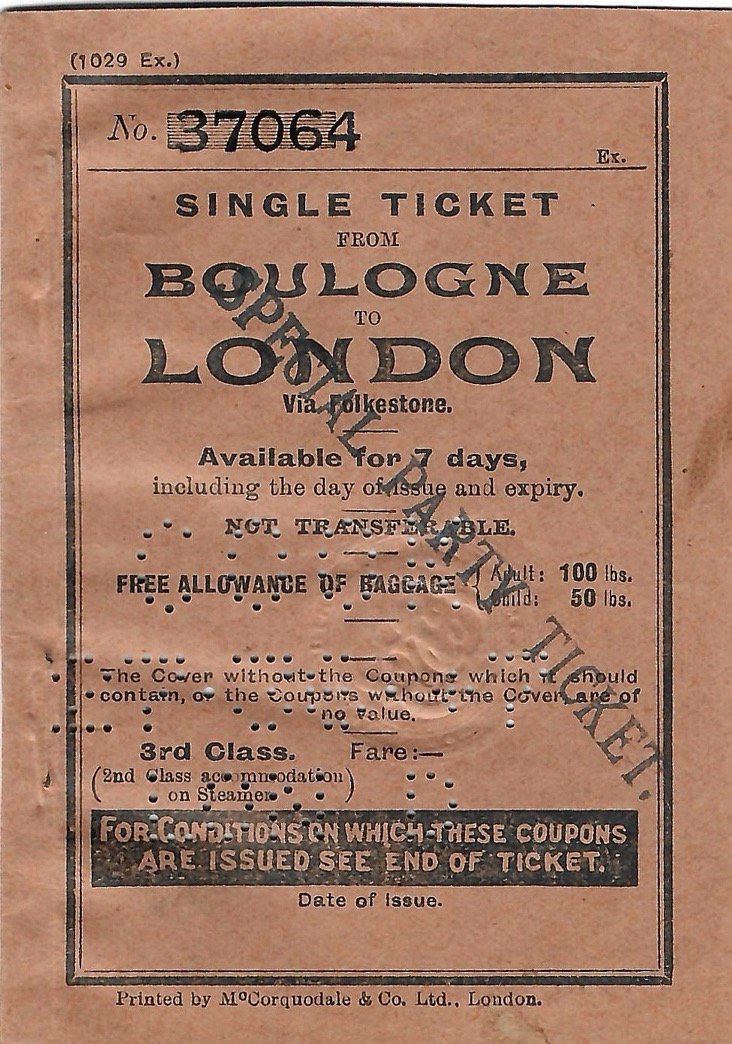
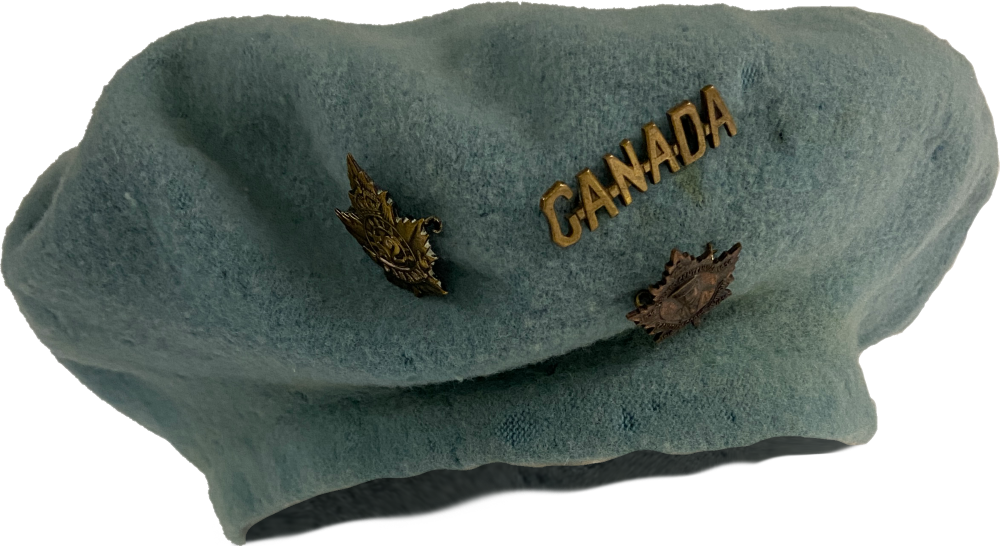
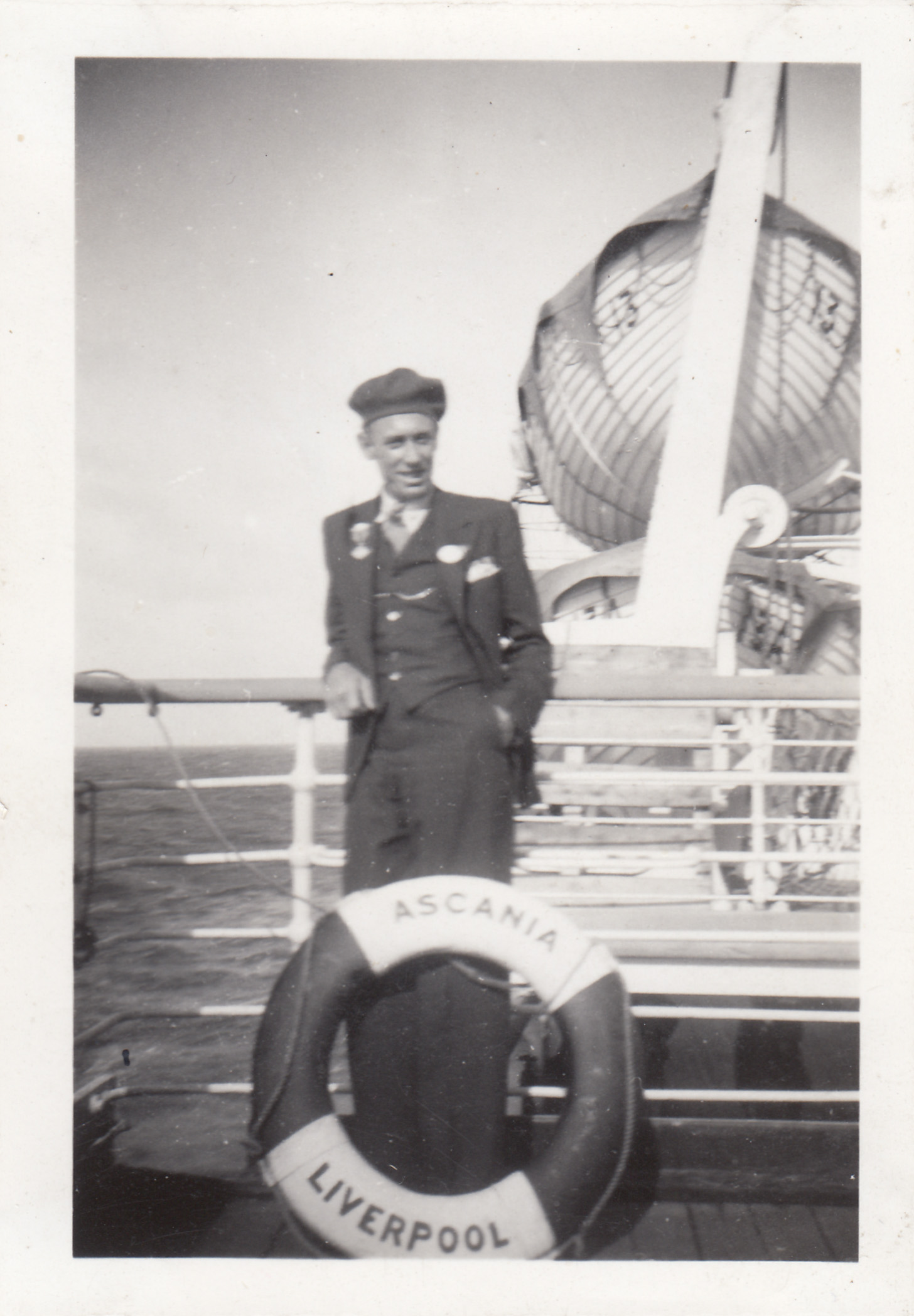
Photographs of John Newell / 2017.20 | Gift of John Newell / CCGW Collection
THE PILGRIMAGE IN
SOUVENIRS
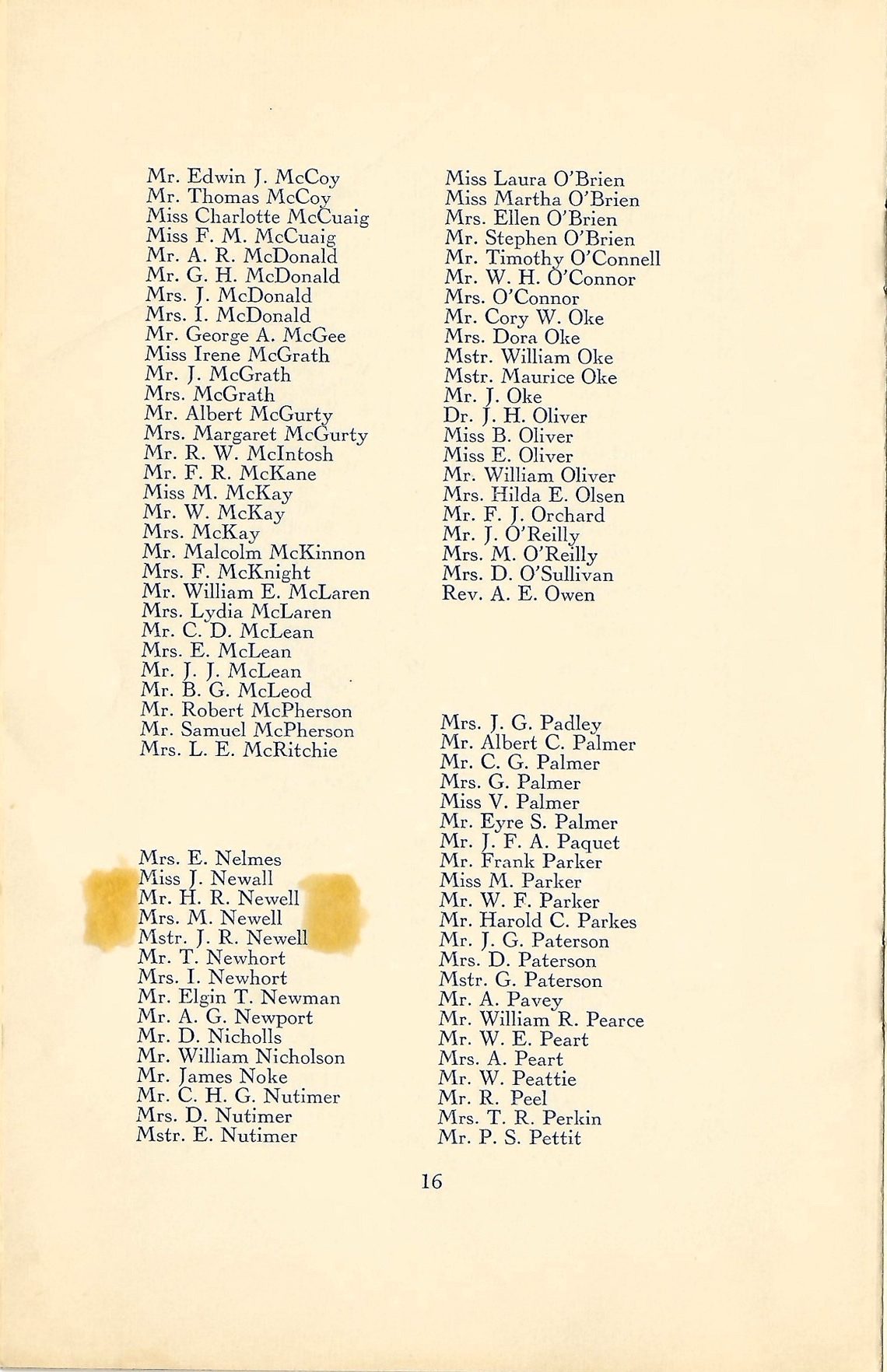
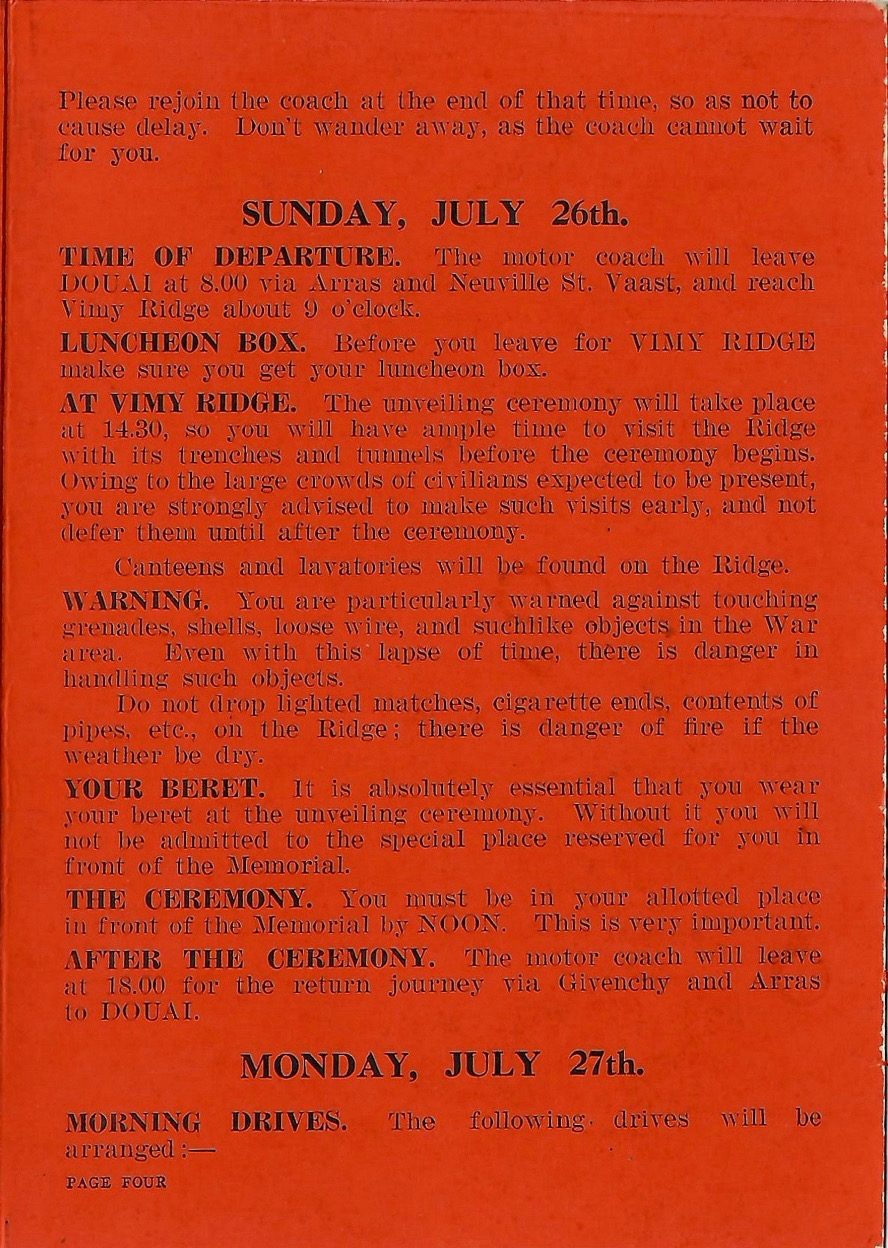
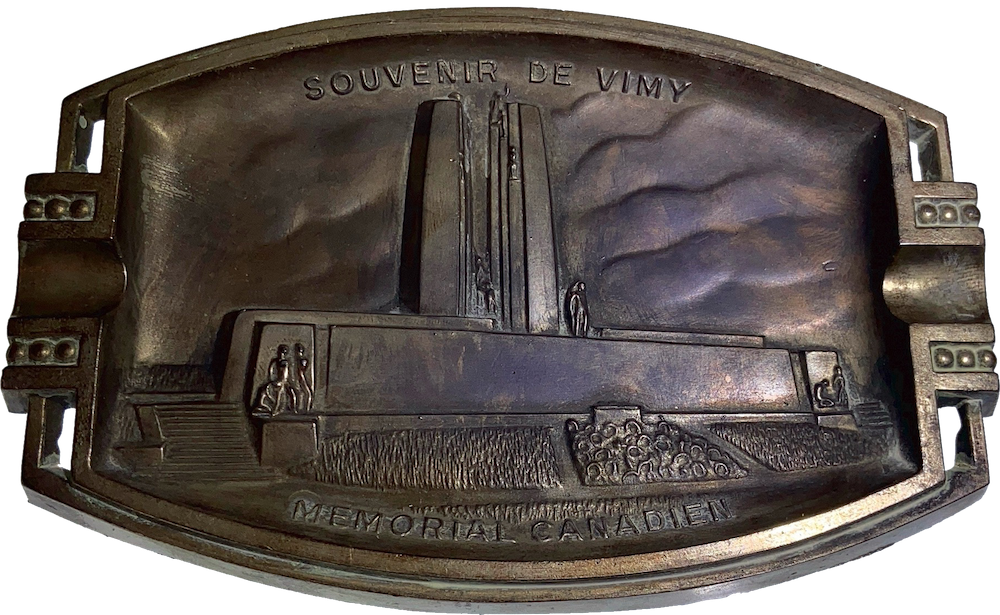
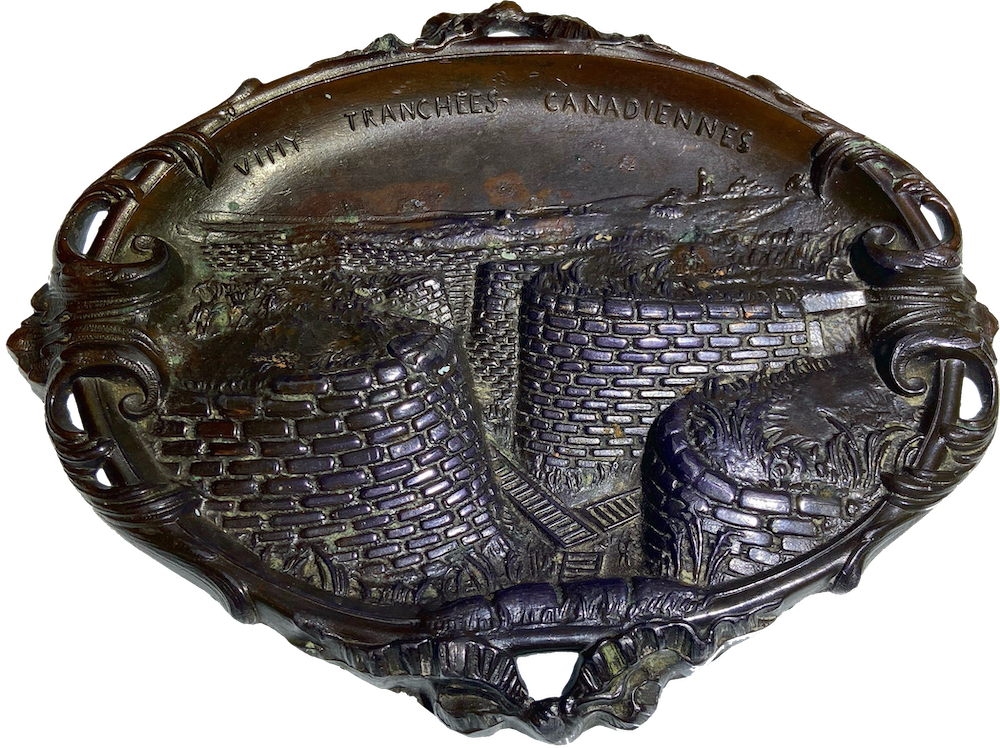
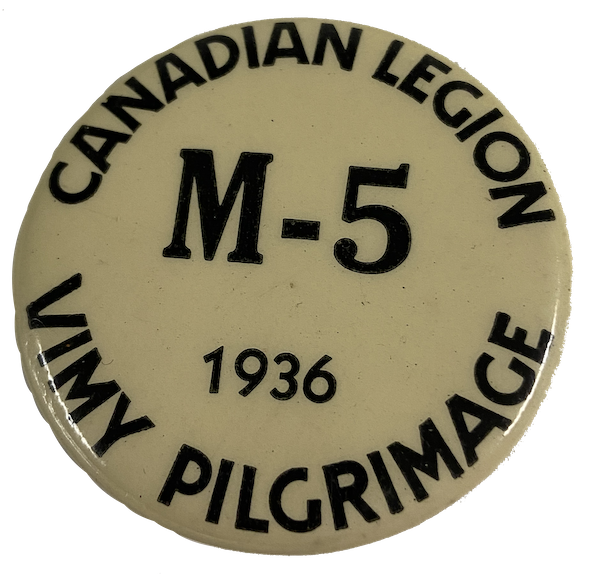
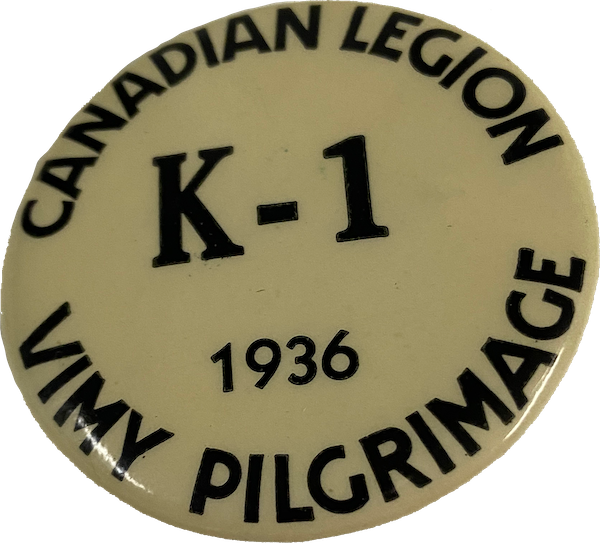
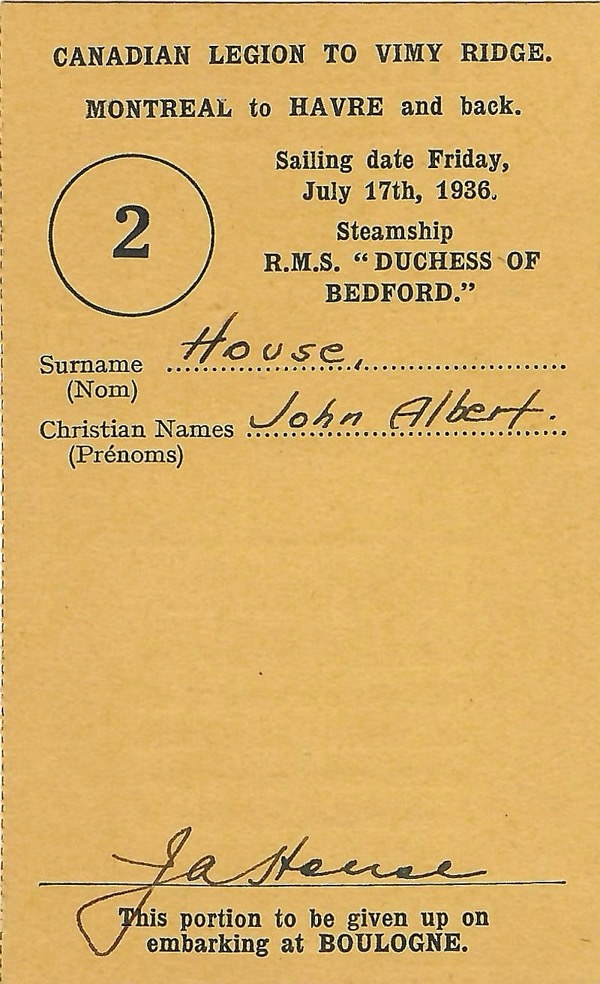
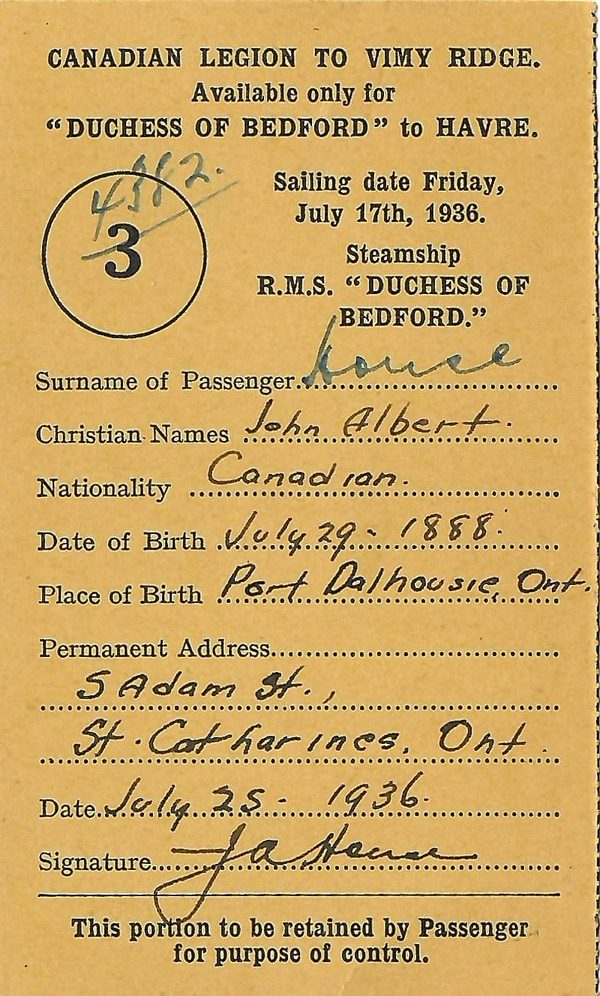
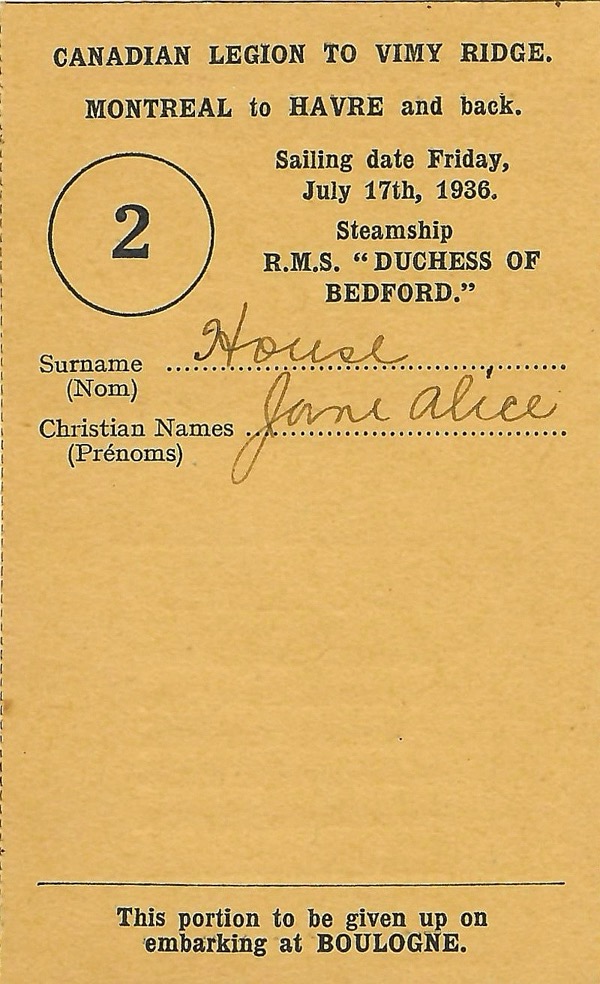
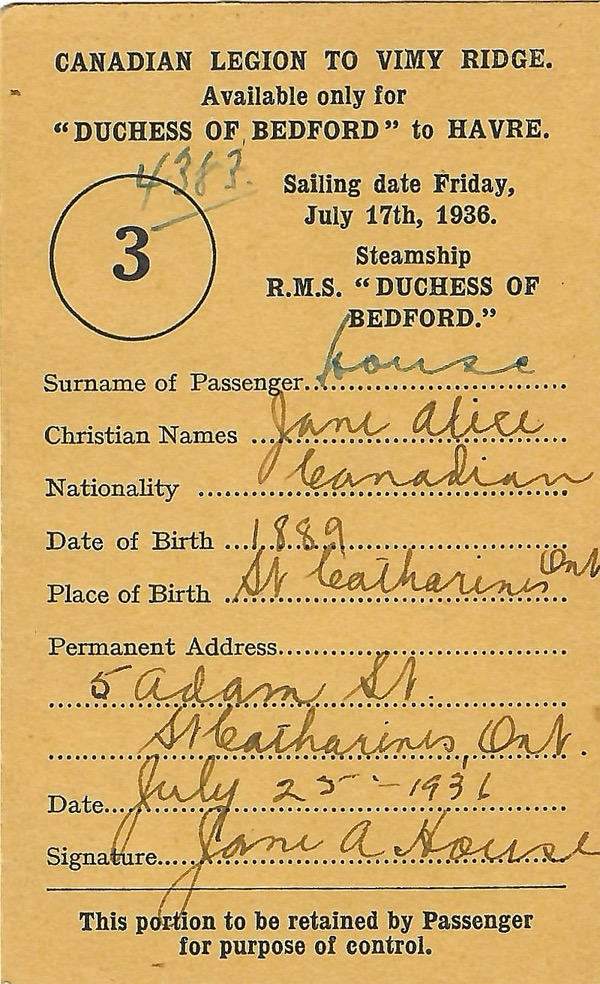
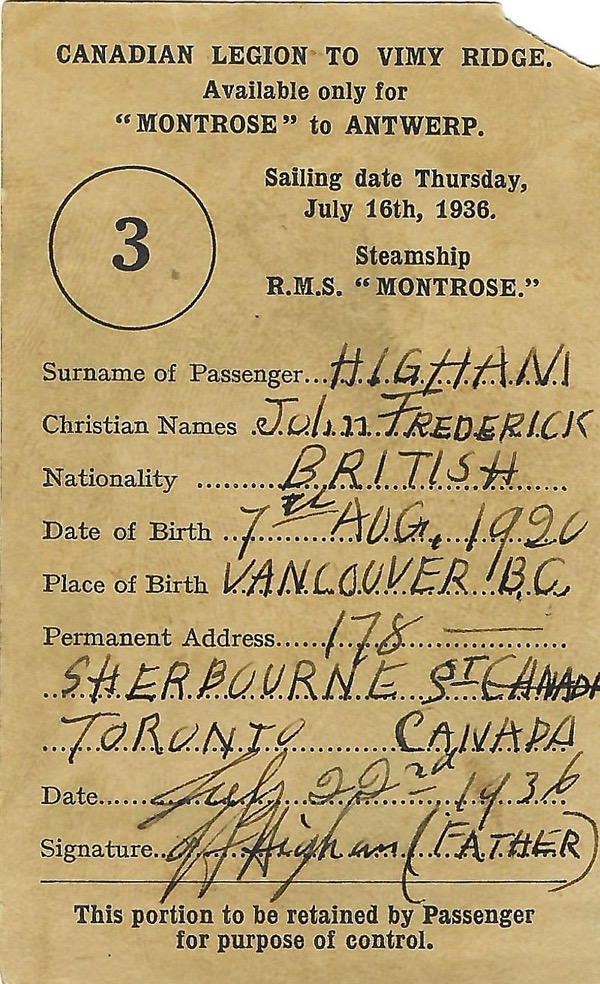
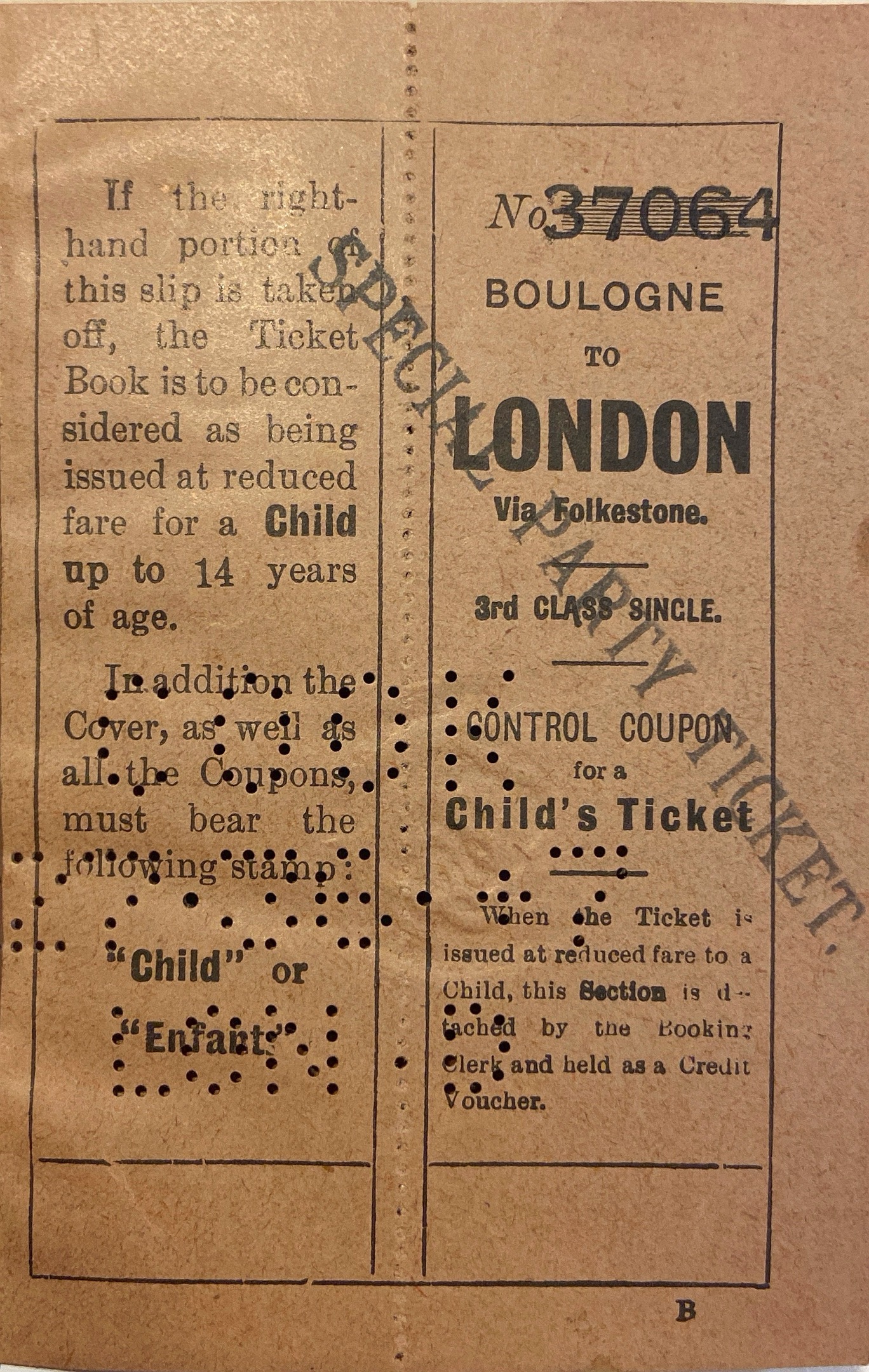
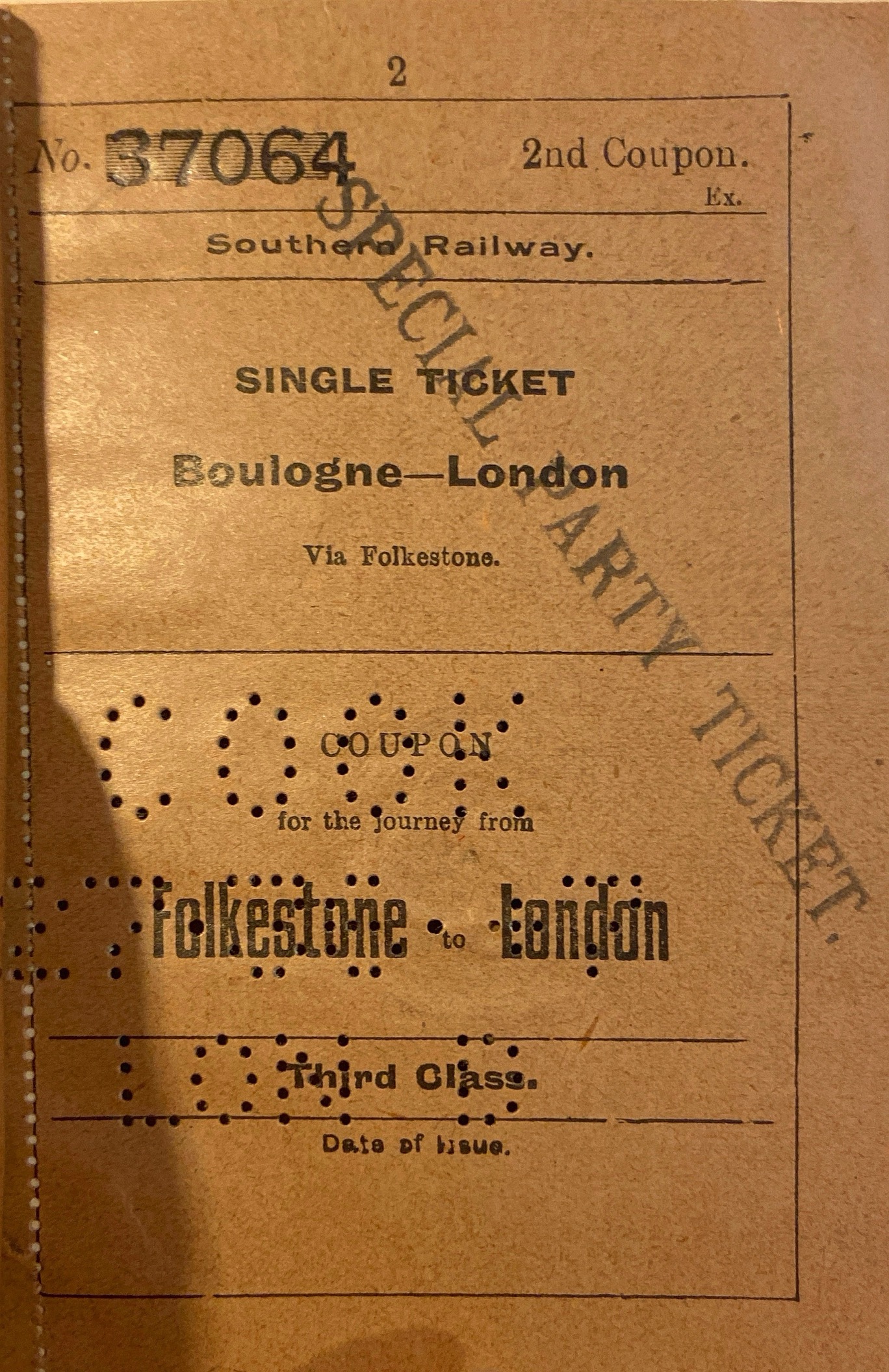
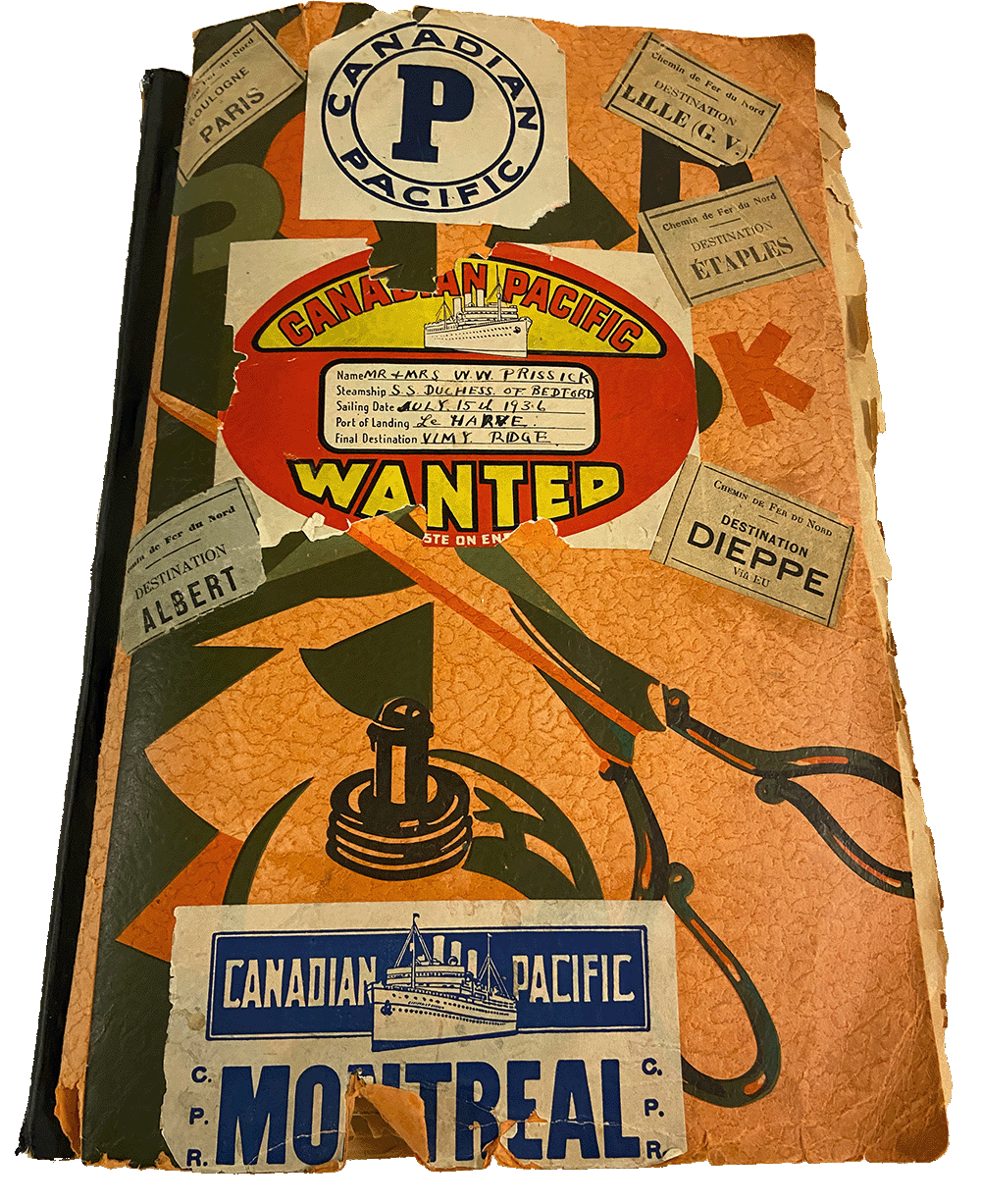
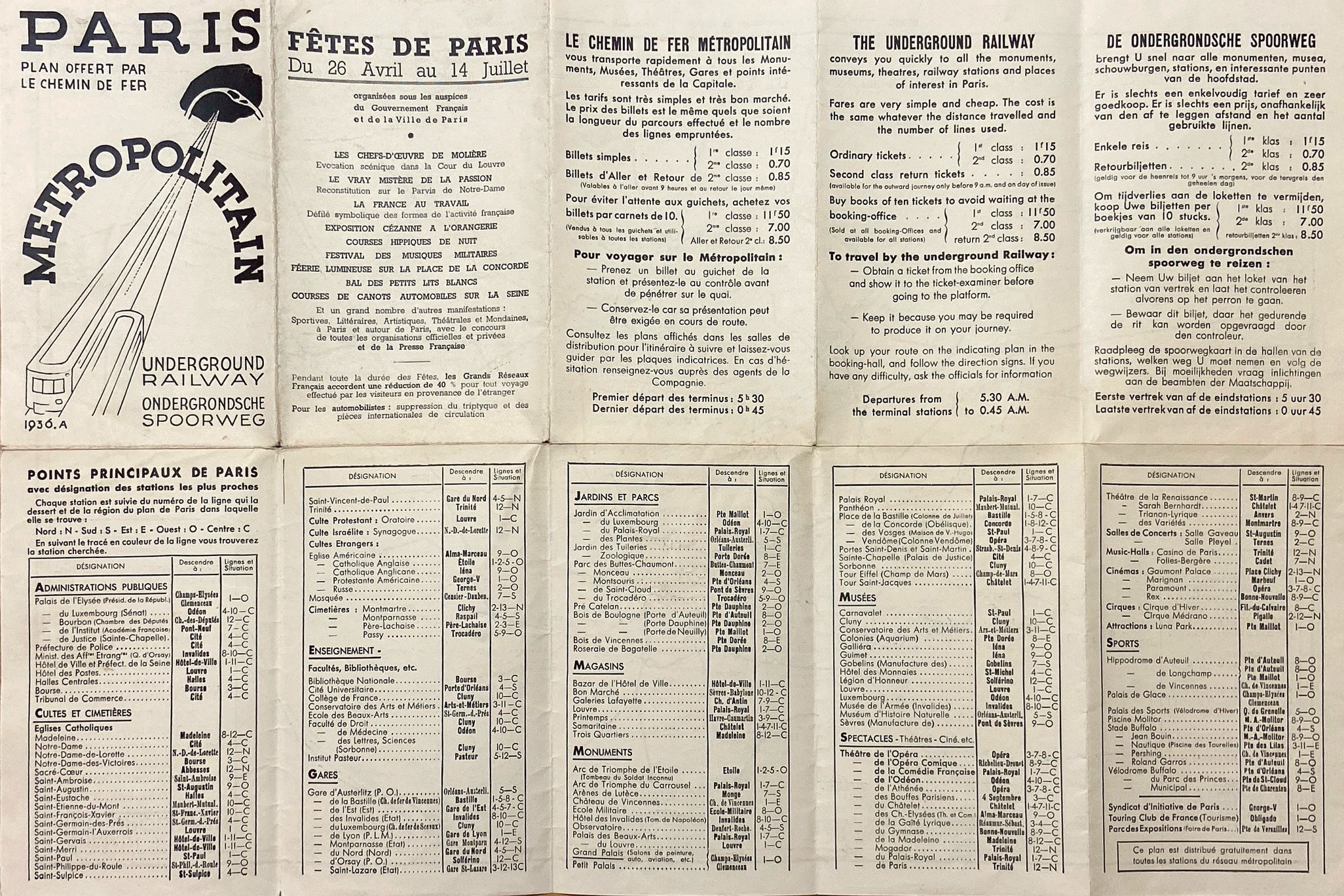
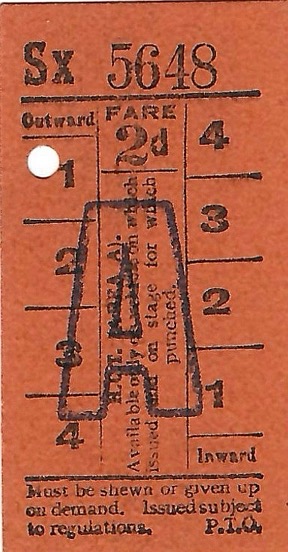
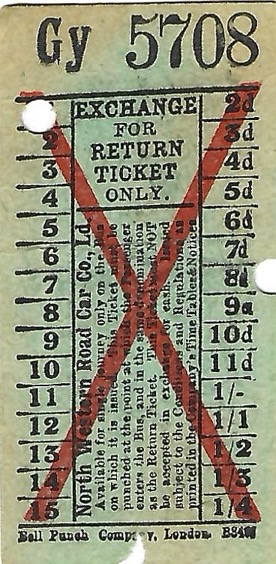
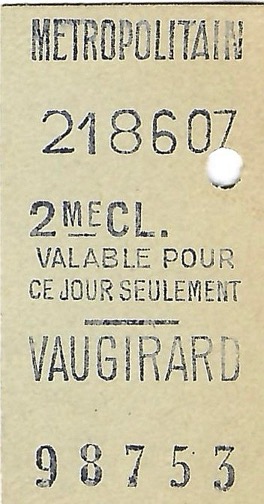
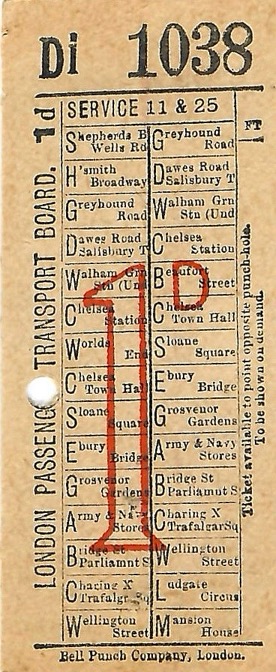
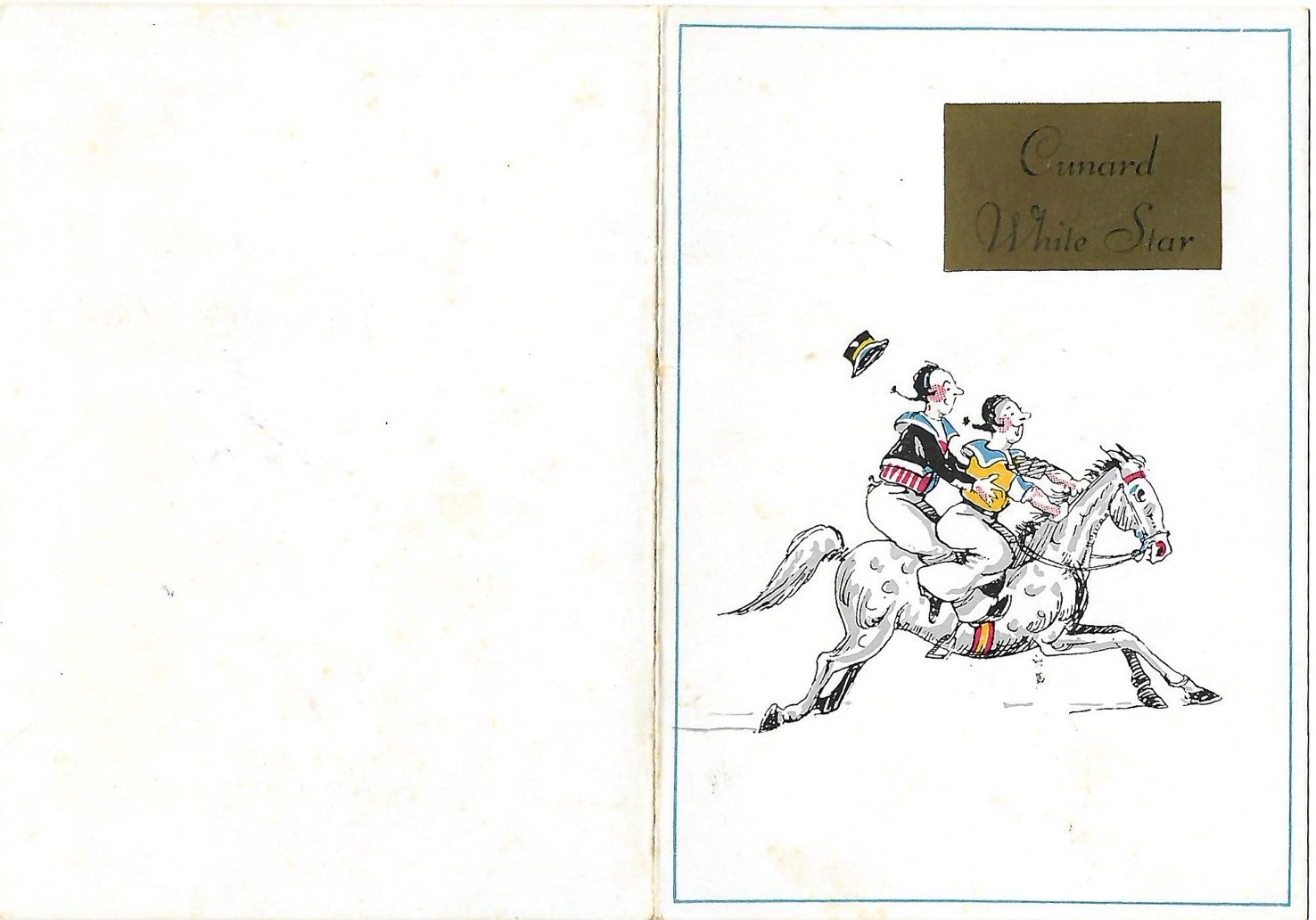
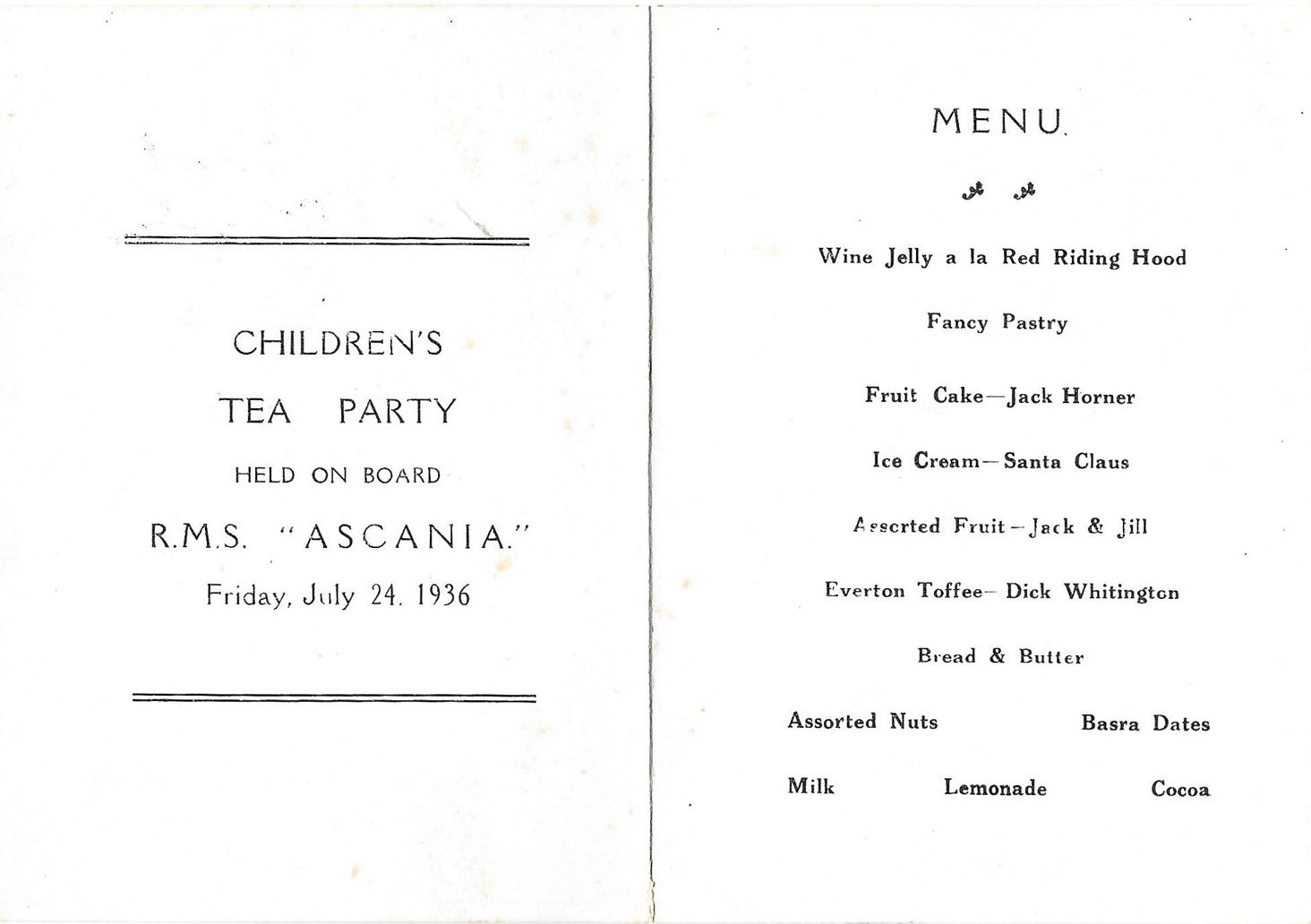
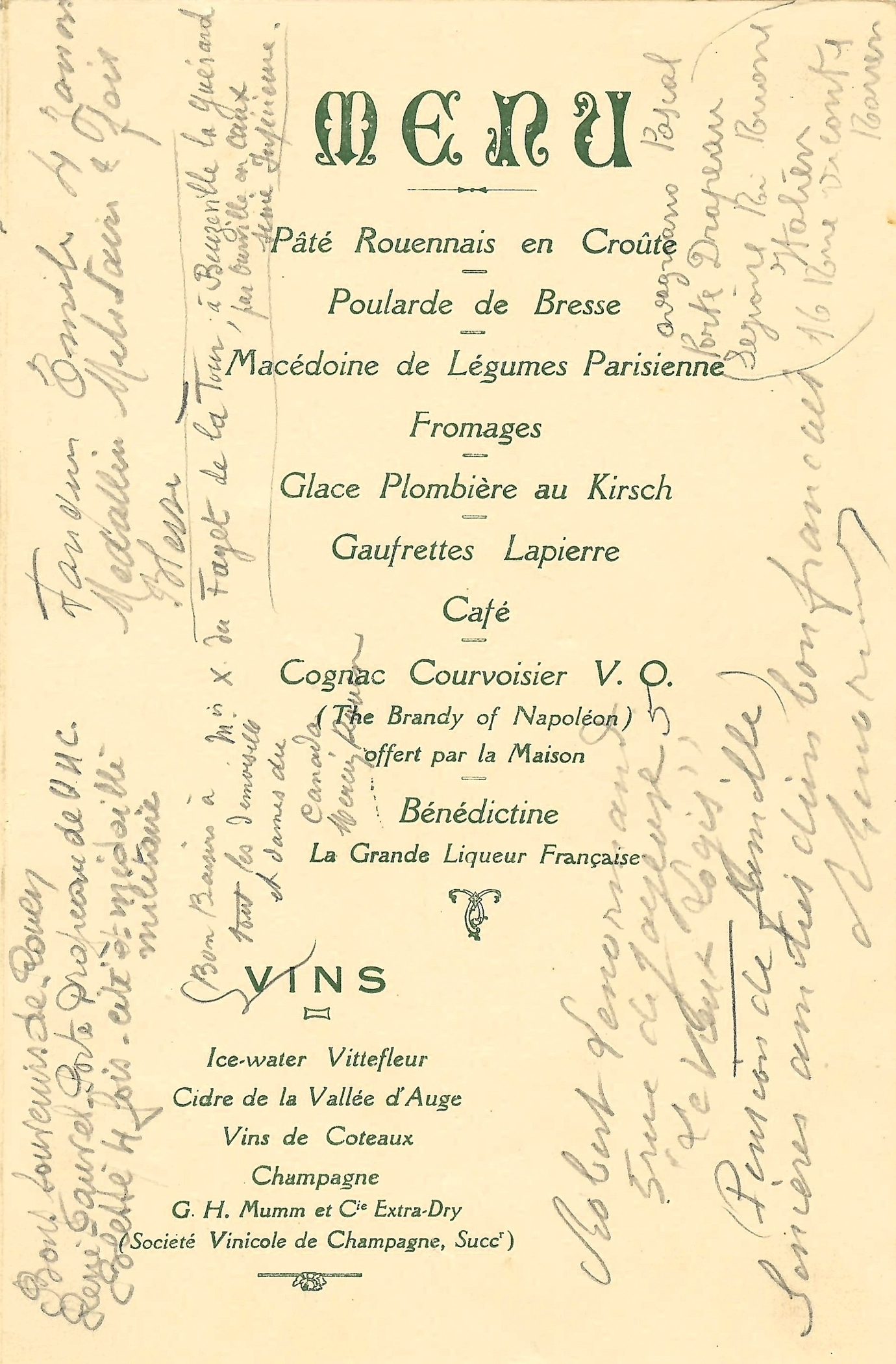
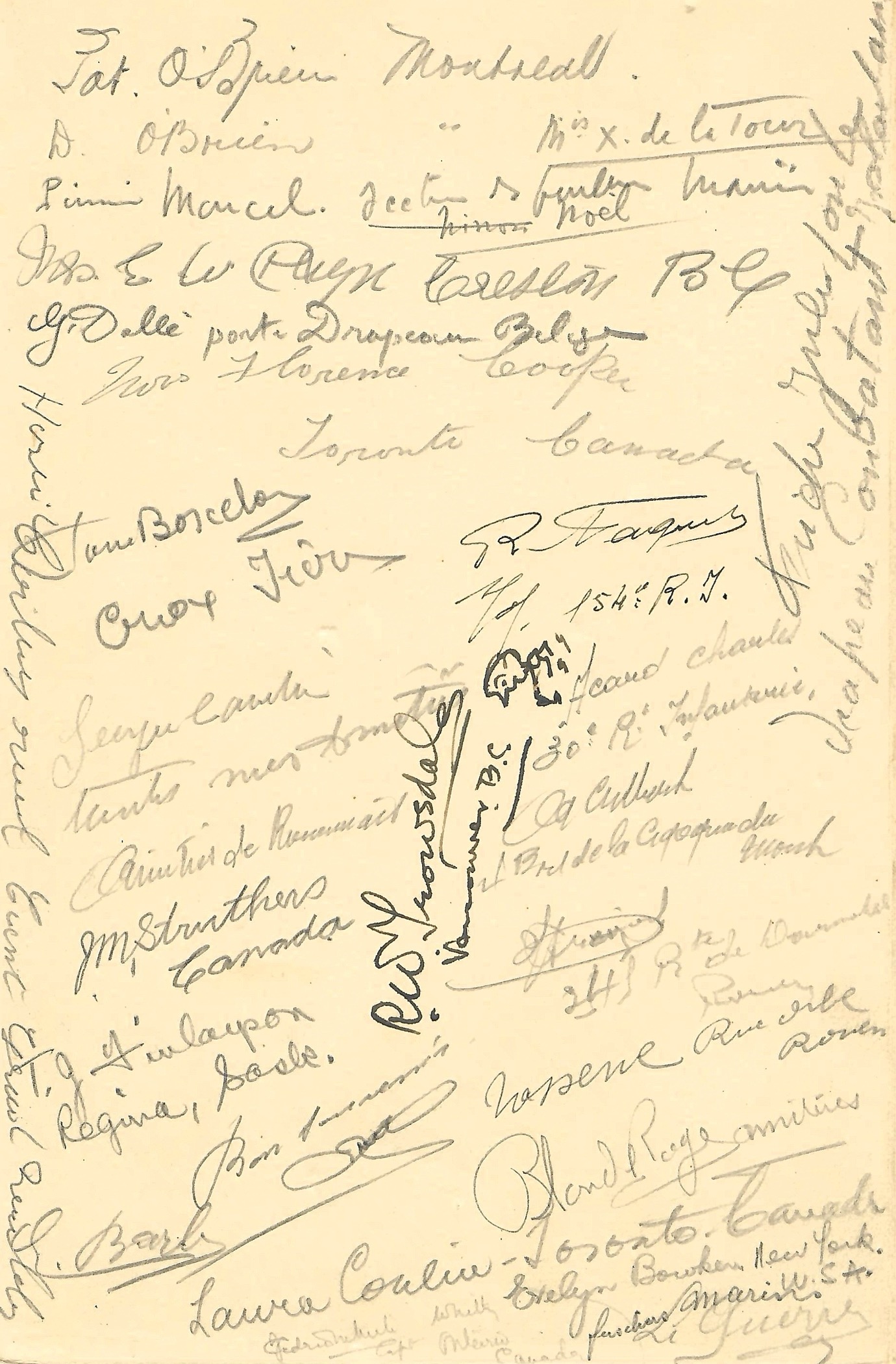
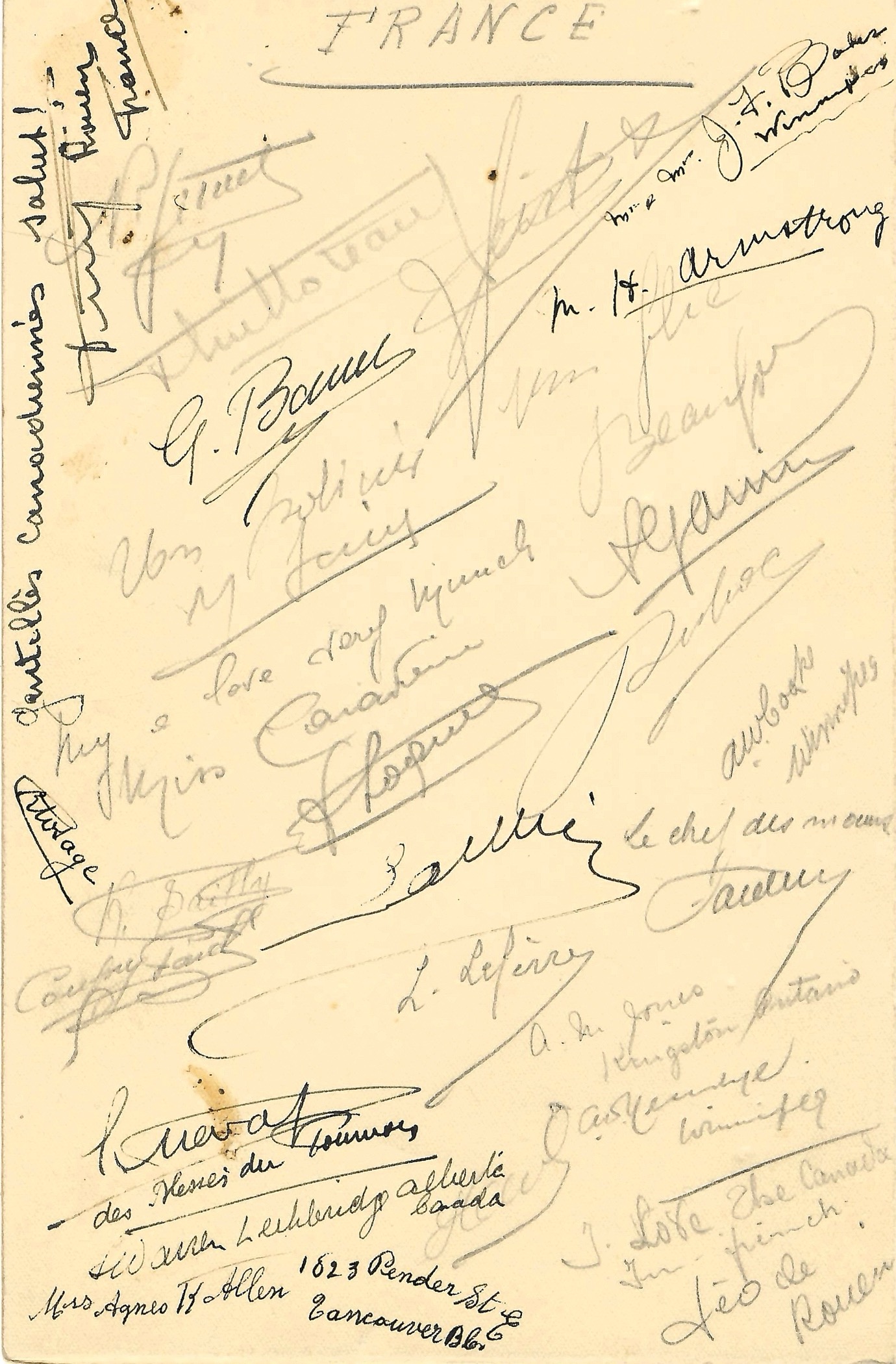
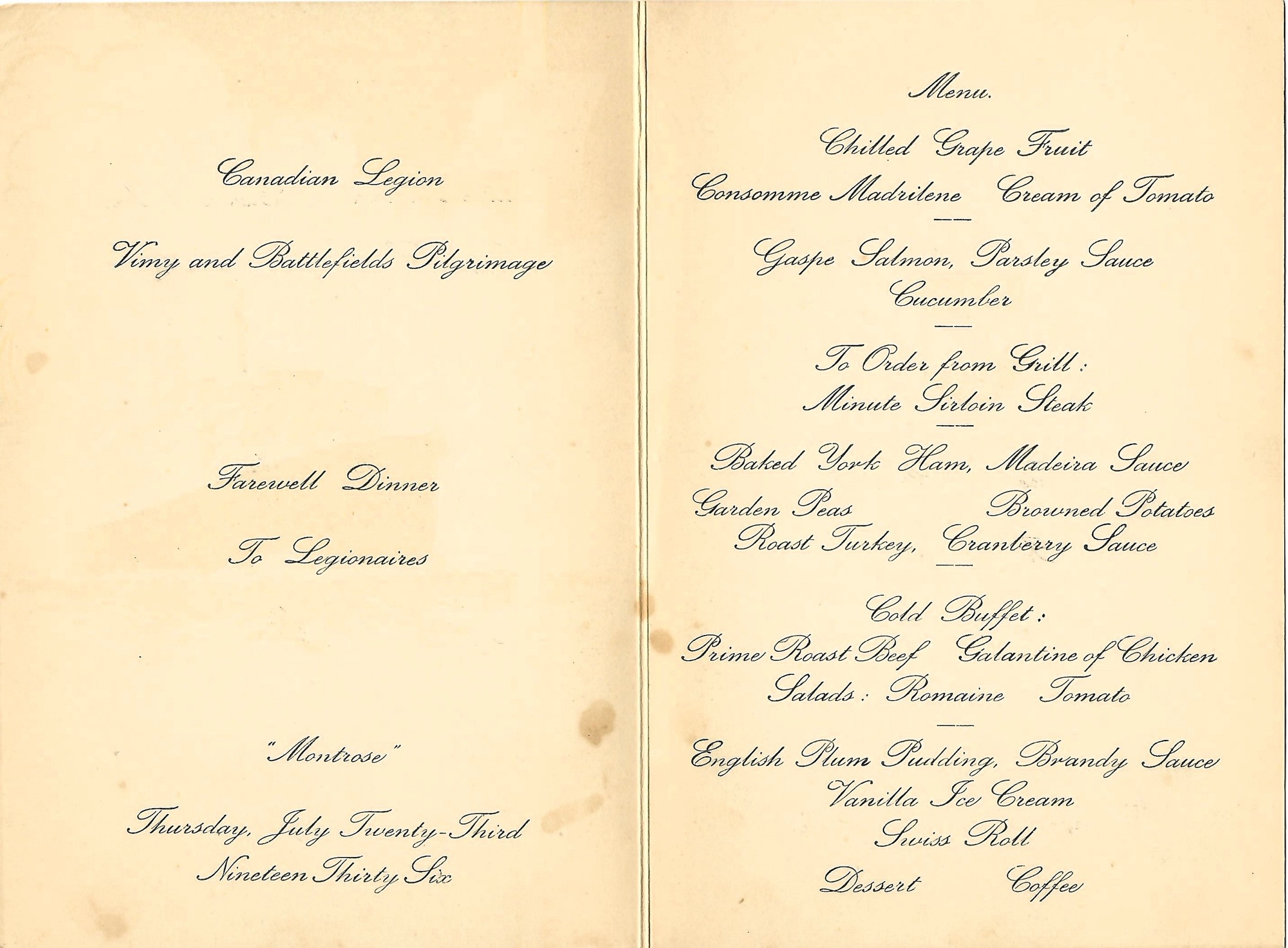
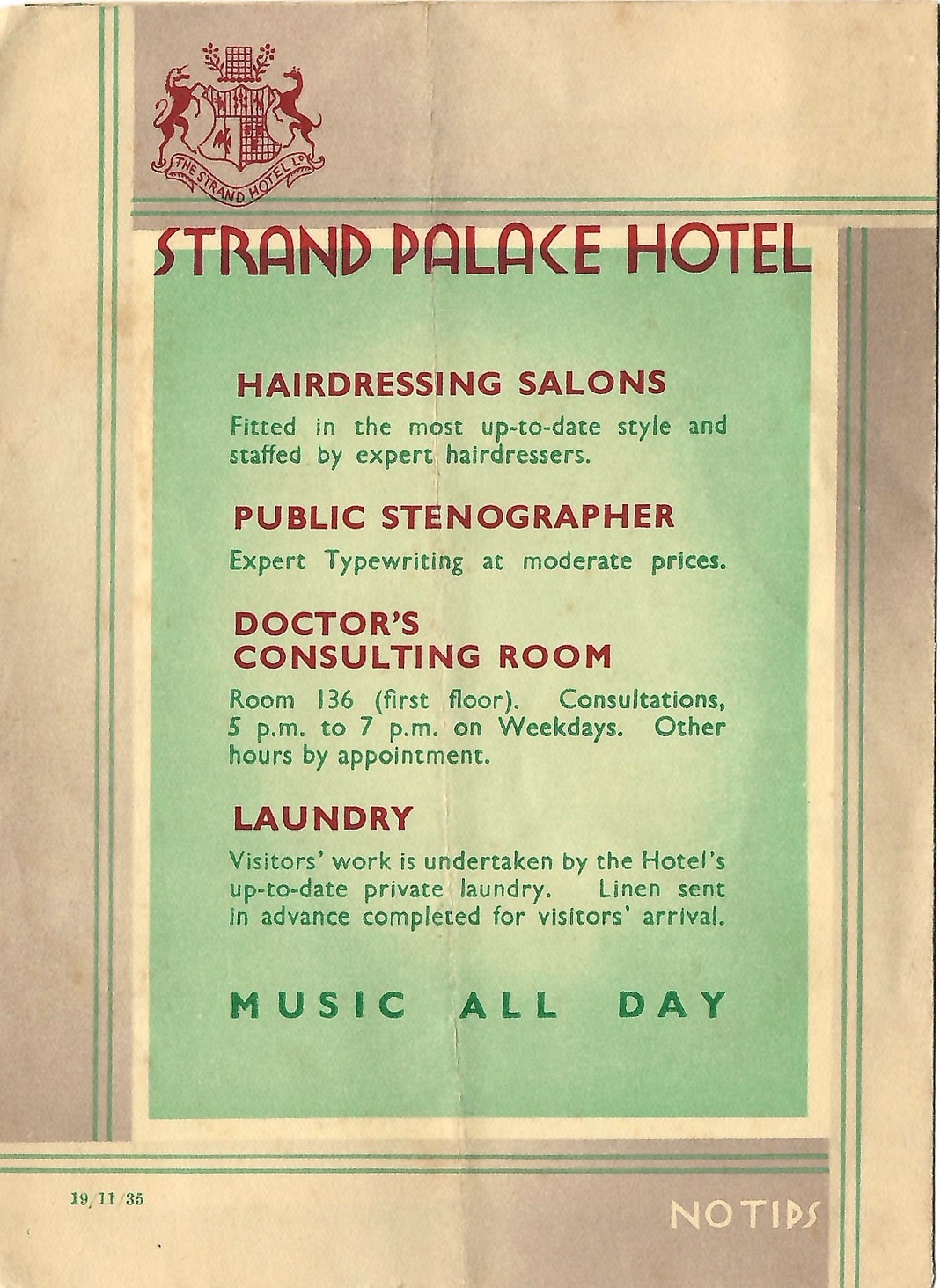
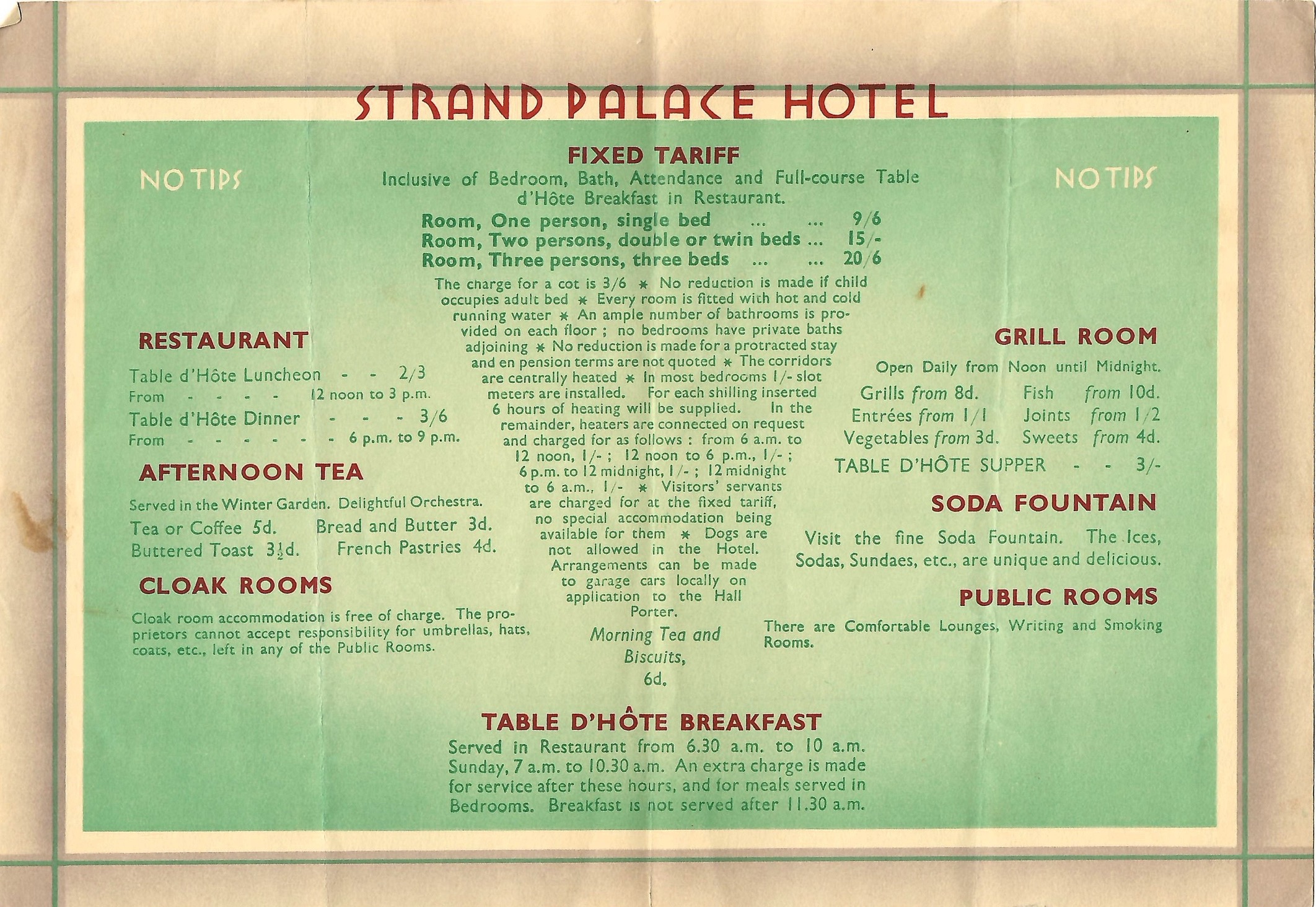
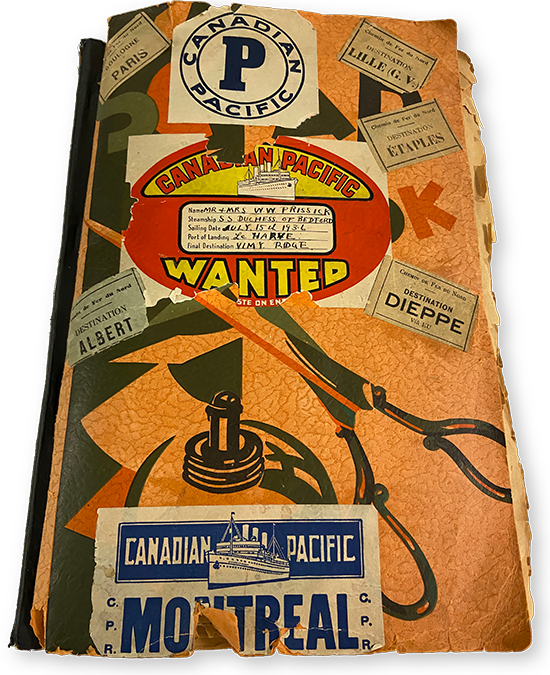
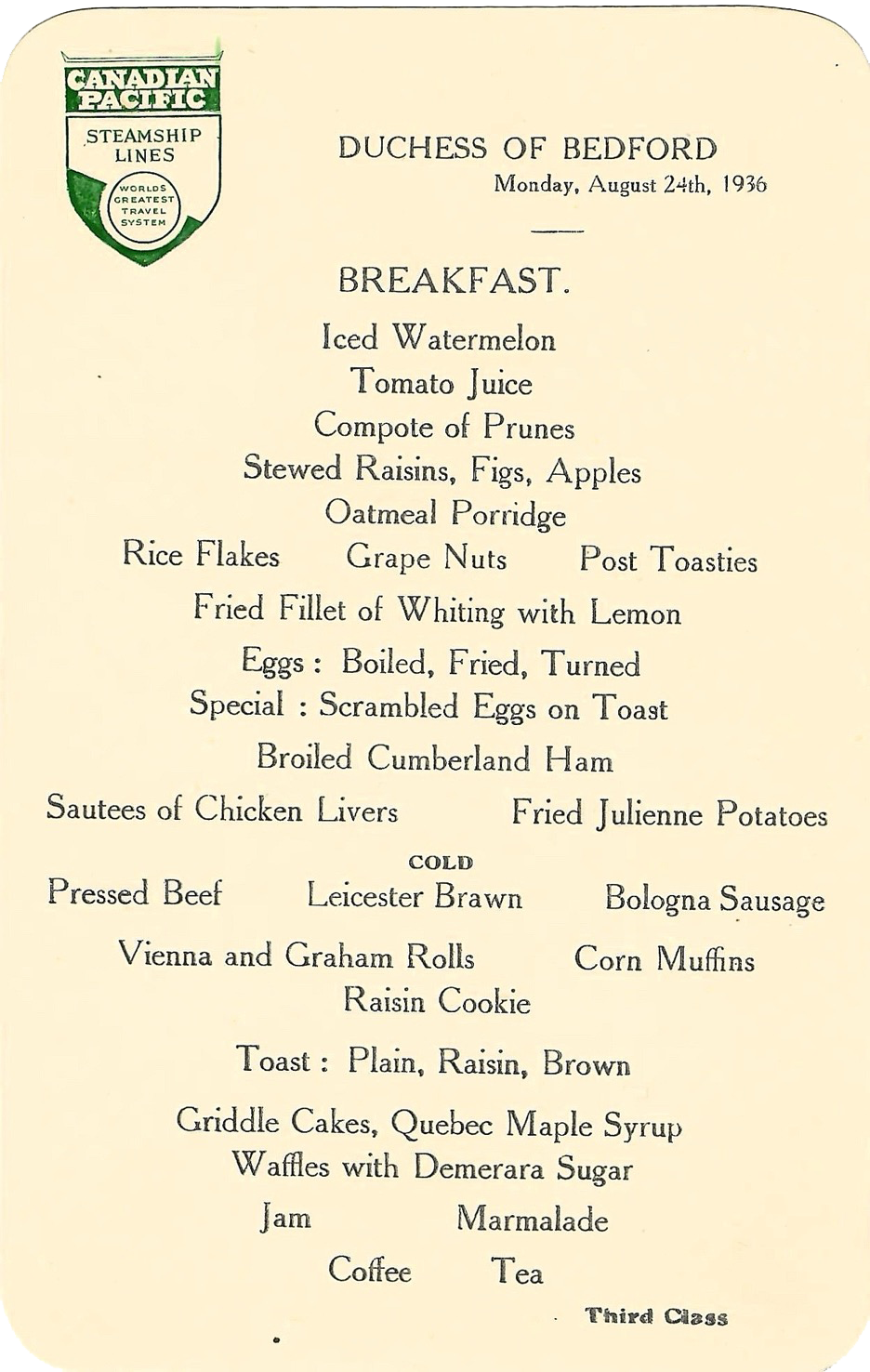
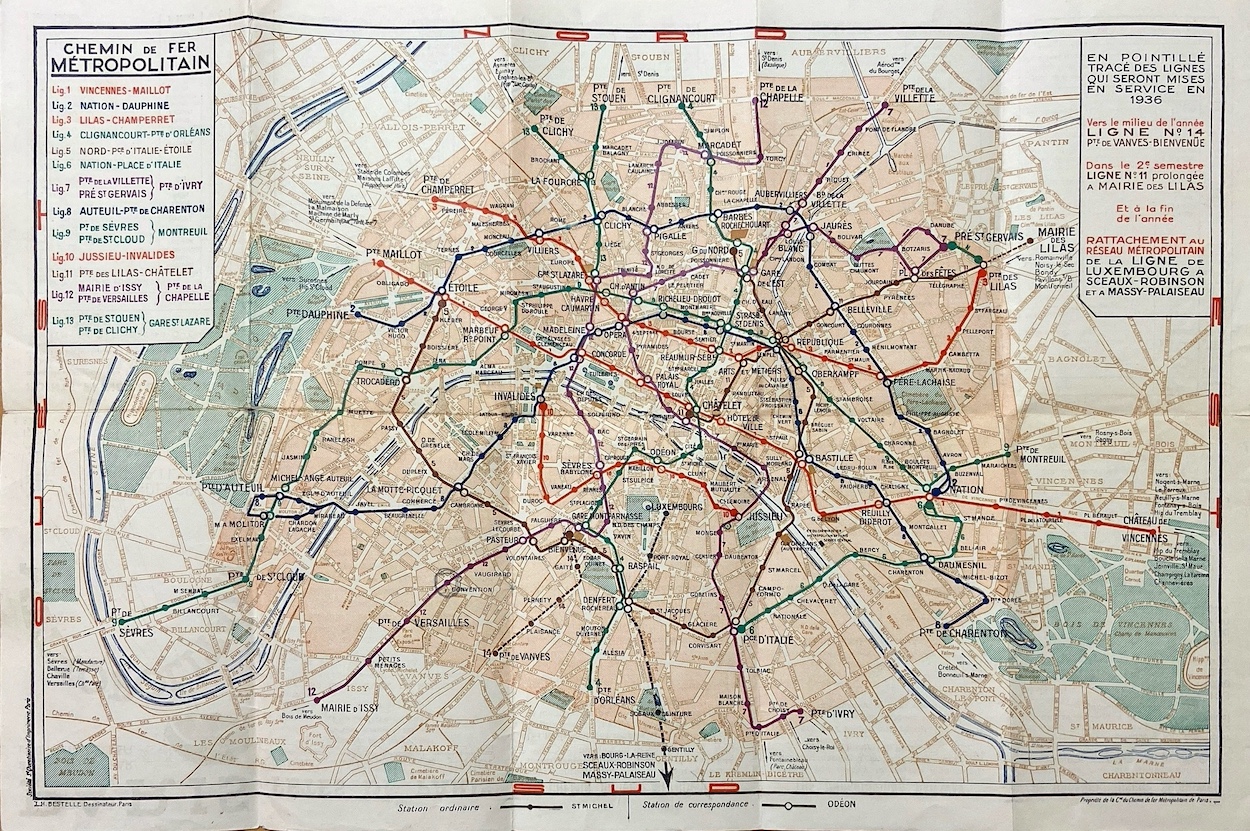
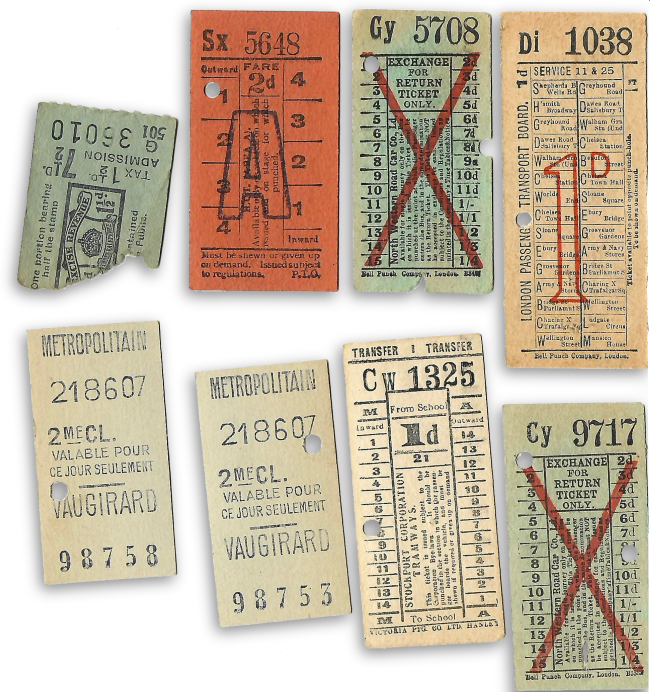
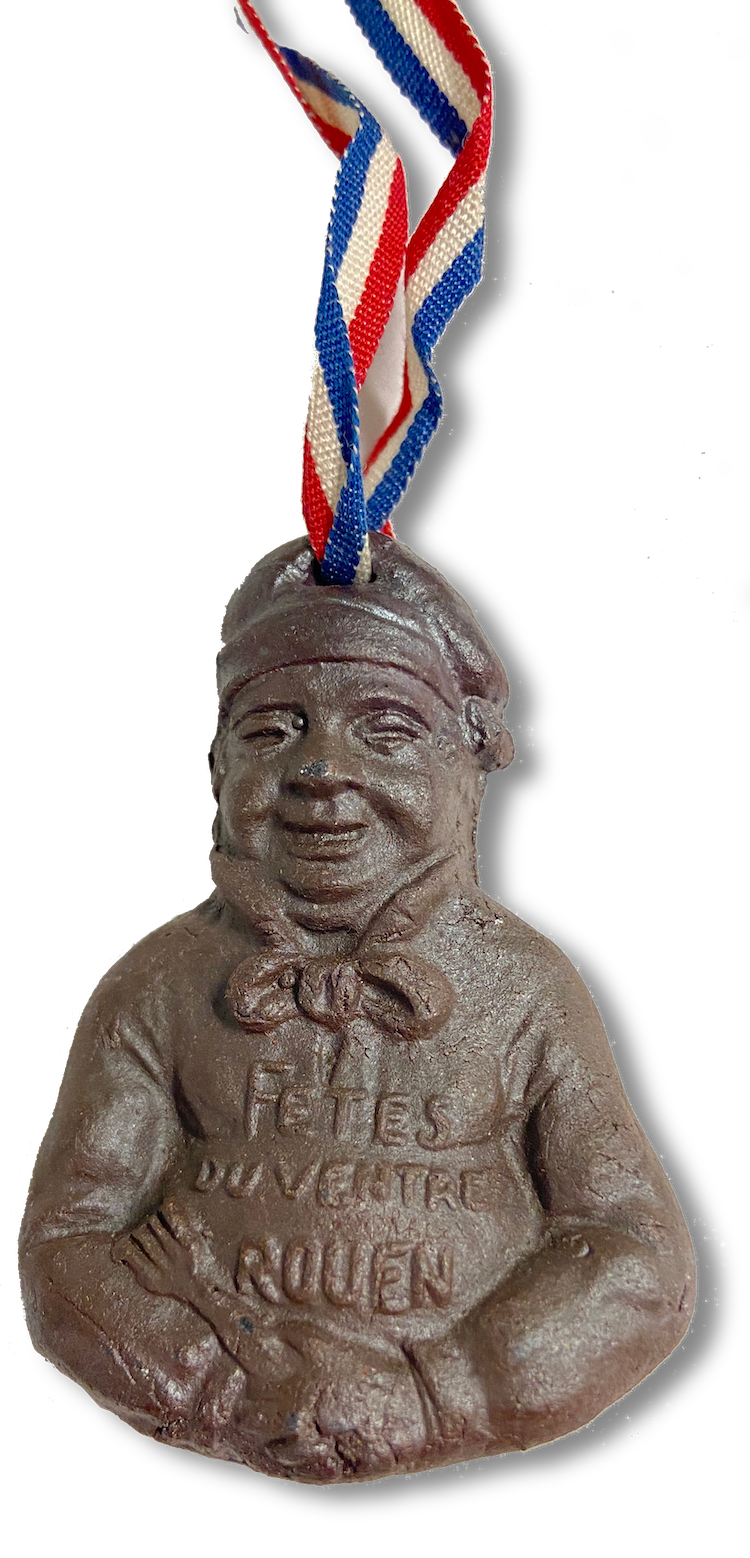
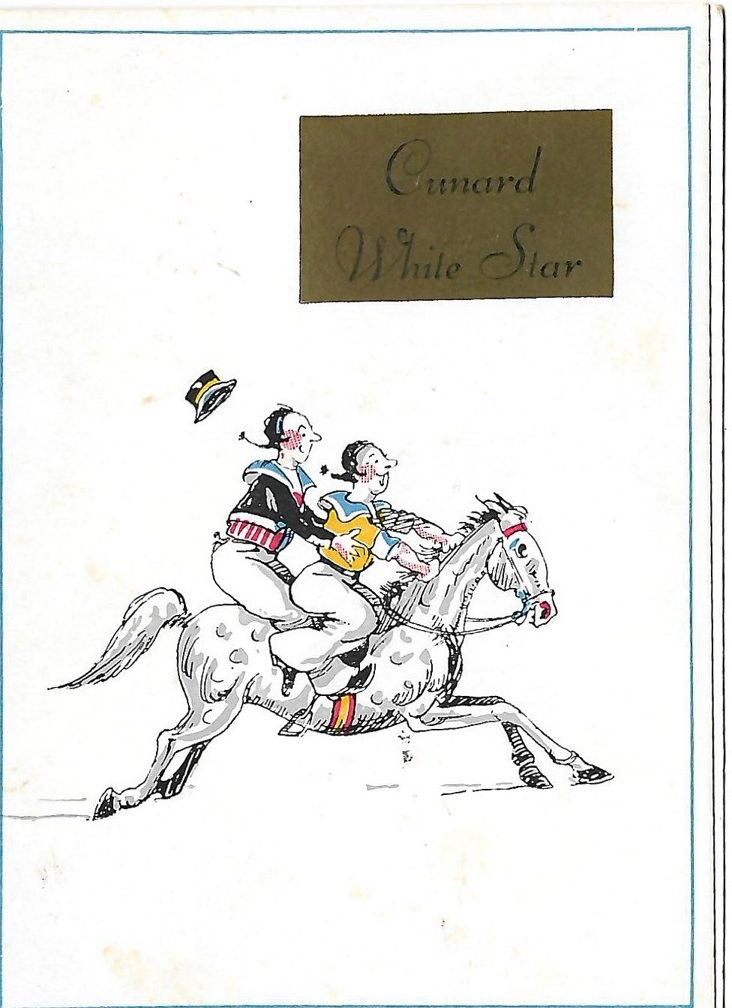
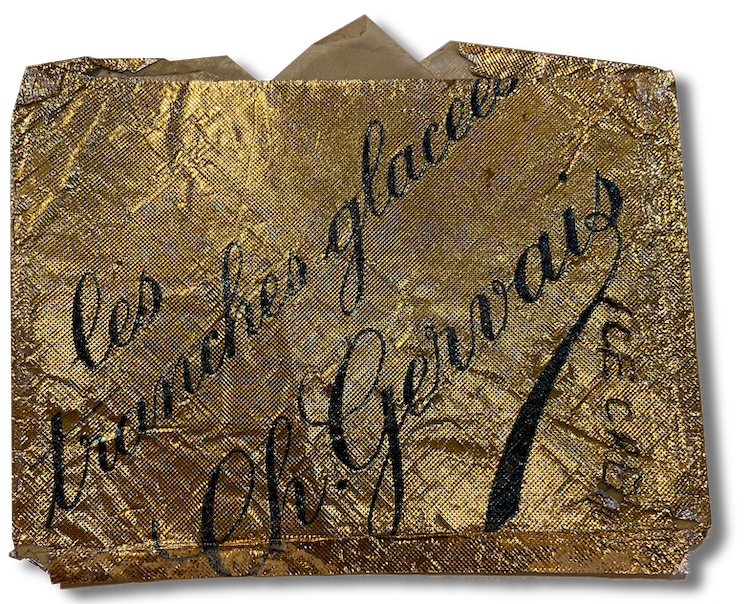
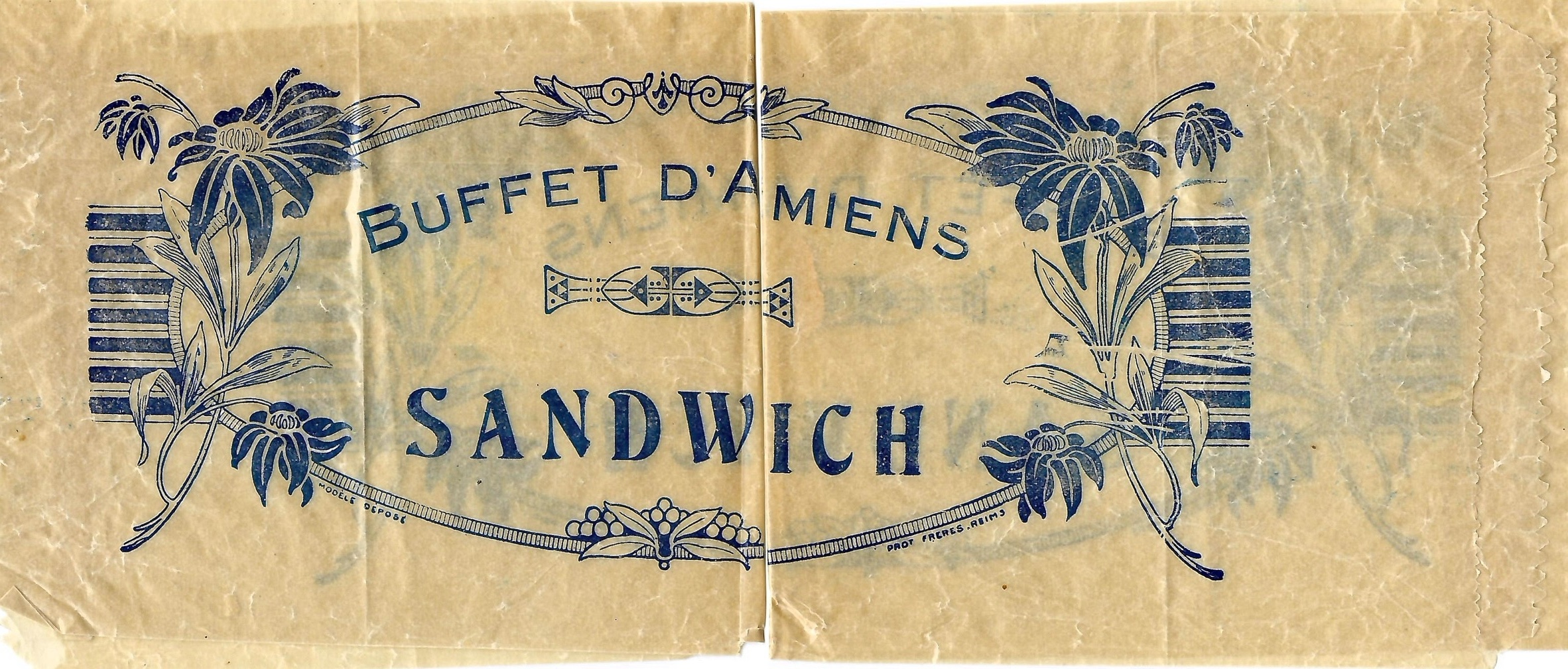
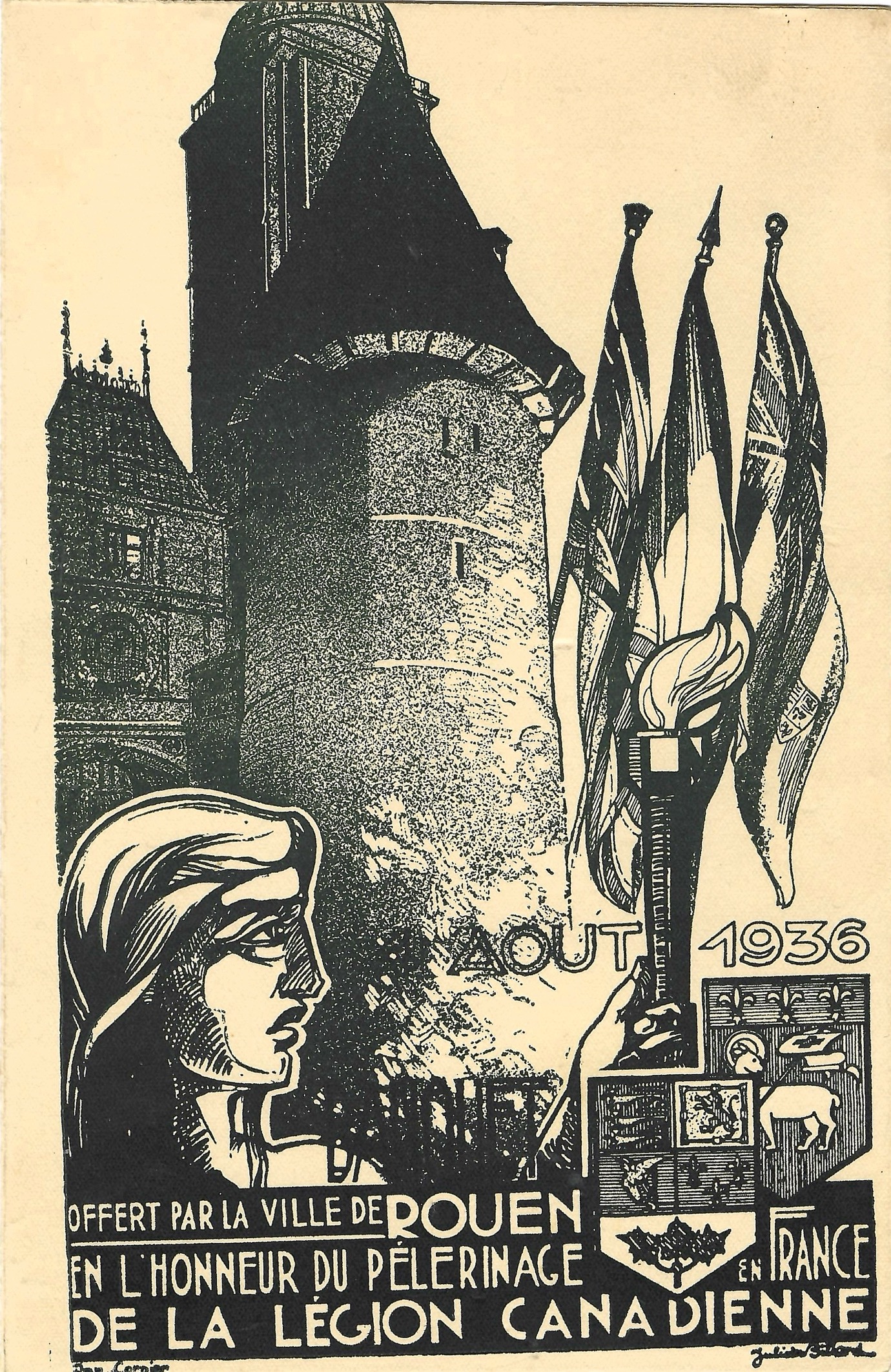
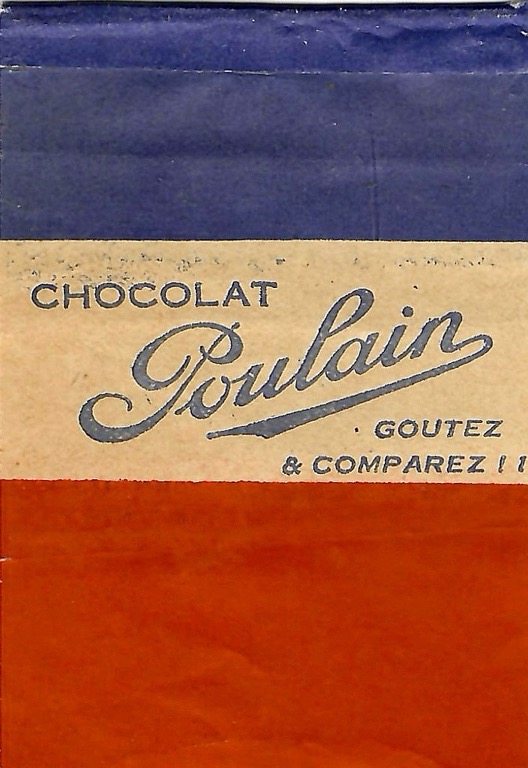
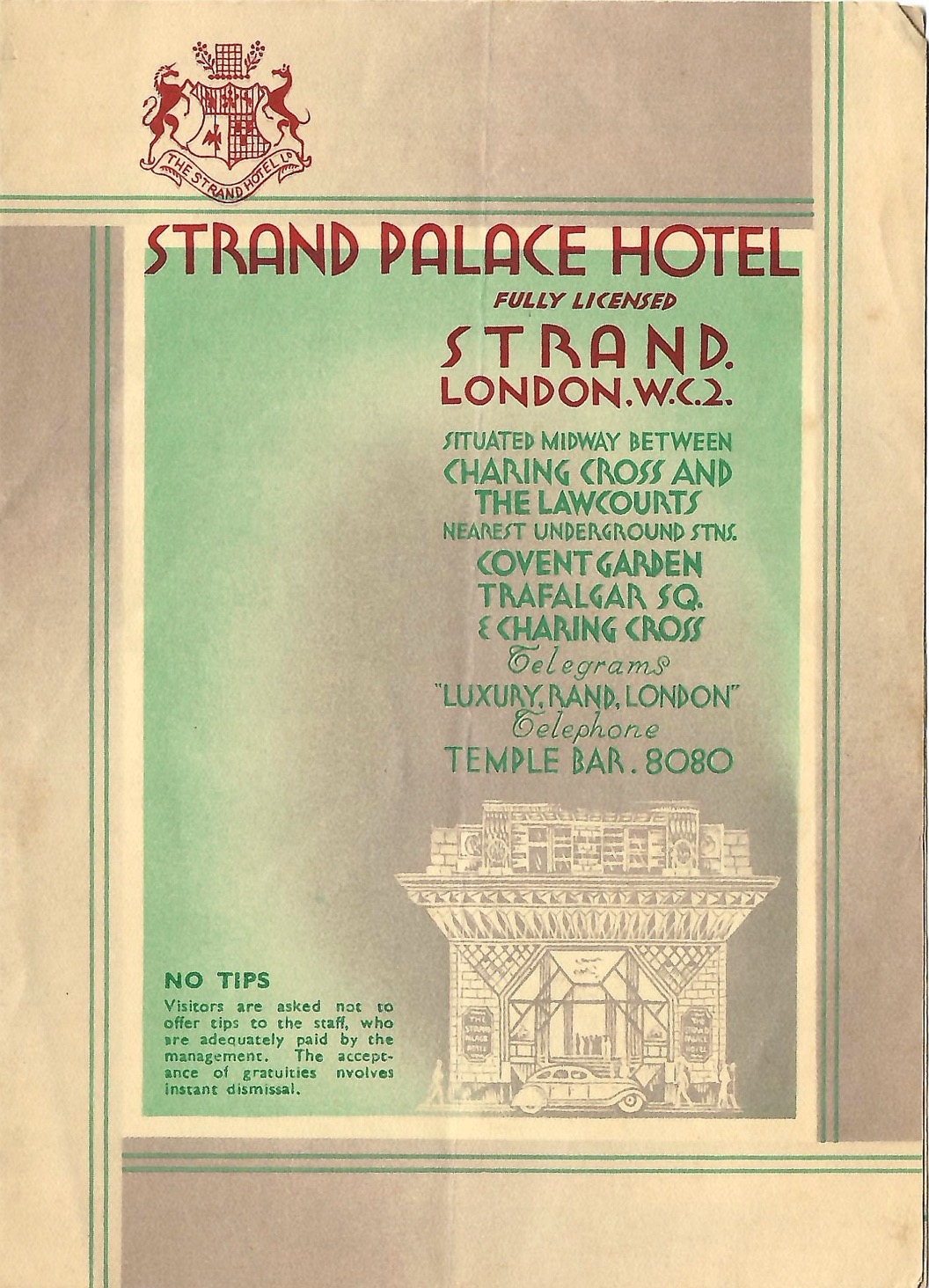
The journey to Vimy was not only an act of remembrance but also an experience pilgrims sought to preserve. Throughout the voyage, travellers gathered postcards, menus, tickets, photographs, and other keepsakes, creating personal records of the pilgrimage.
Collecting, scrapbooking, and journaling were deeply meaningful acts often undertaken by women and children. These individualized collections reveal perspectives often missing from official accounts of the pilgrimage.
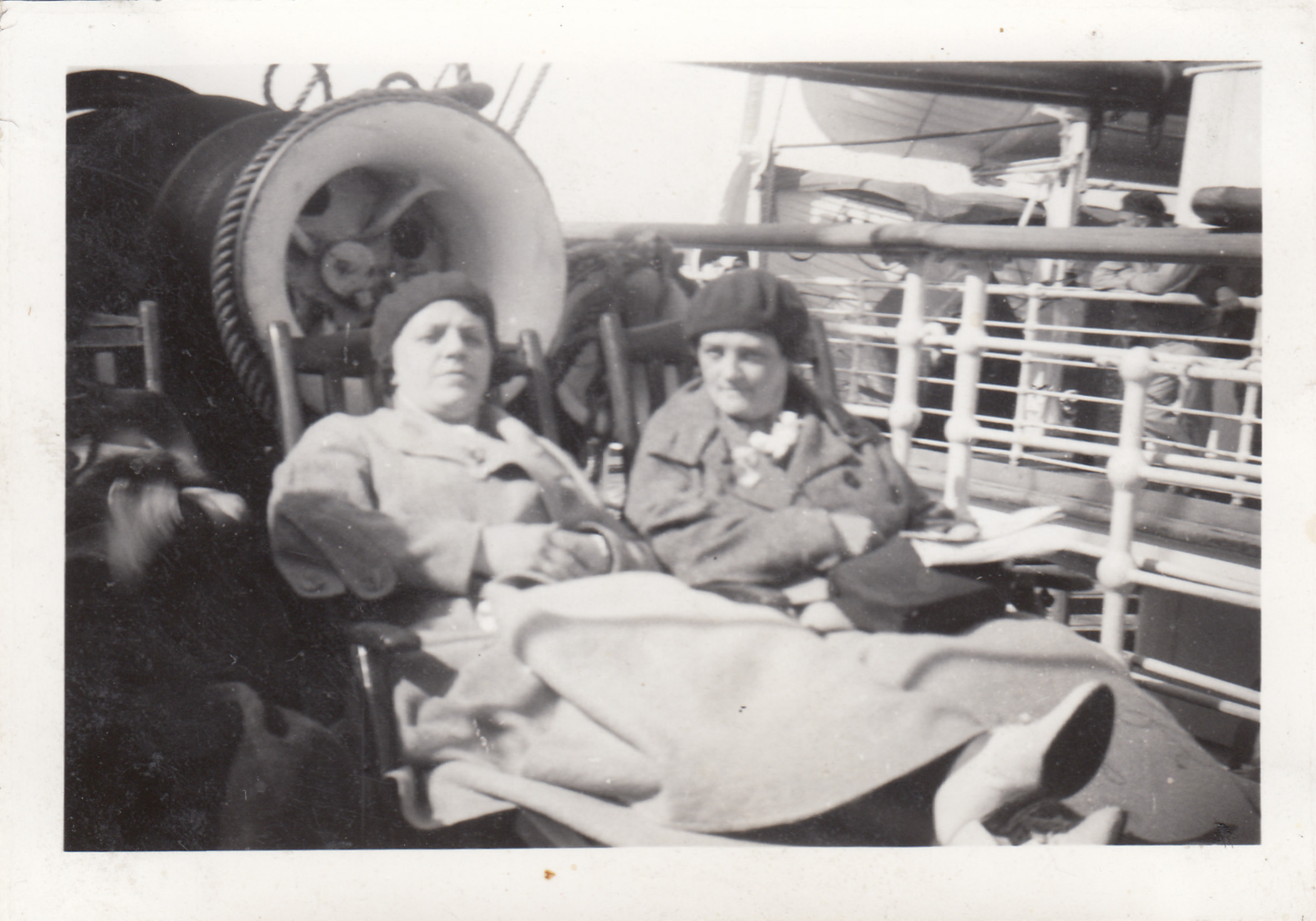
Photographs of John Newell
2017.20 | Gift of John Newell
CCGW Collection
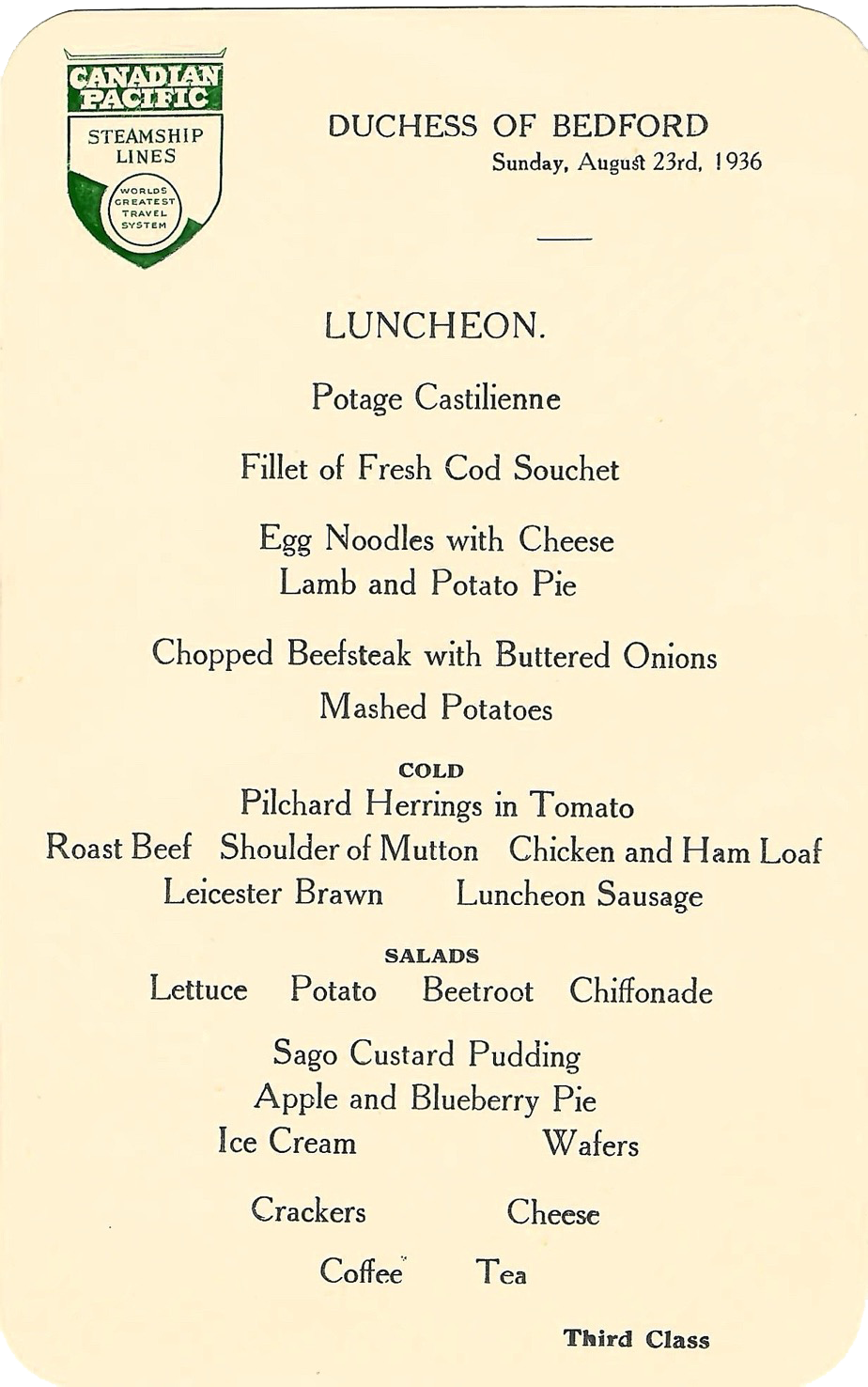
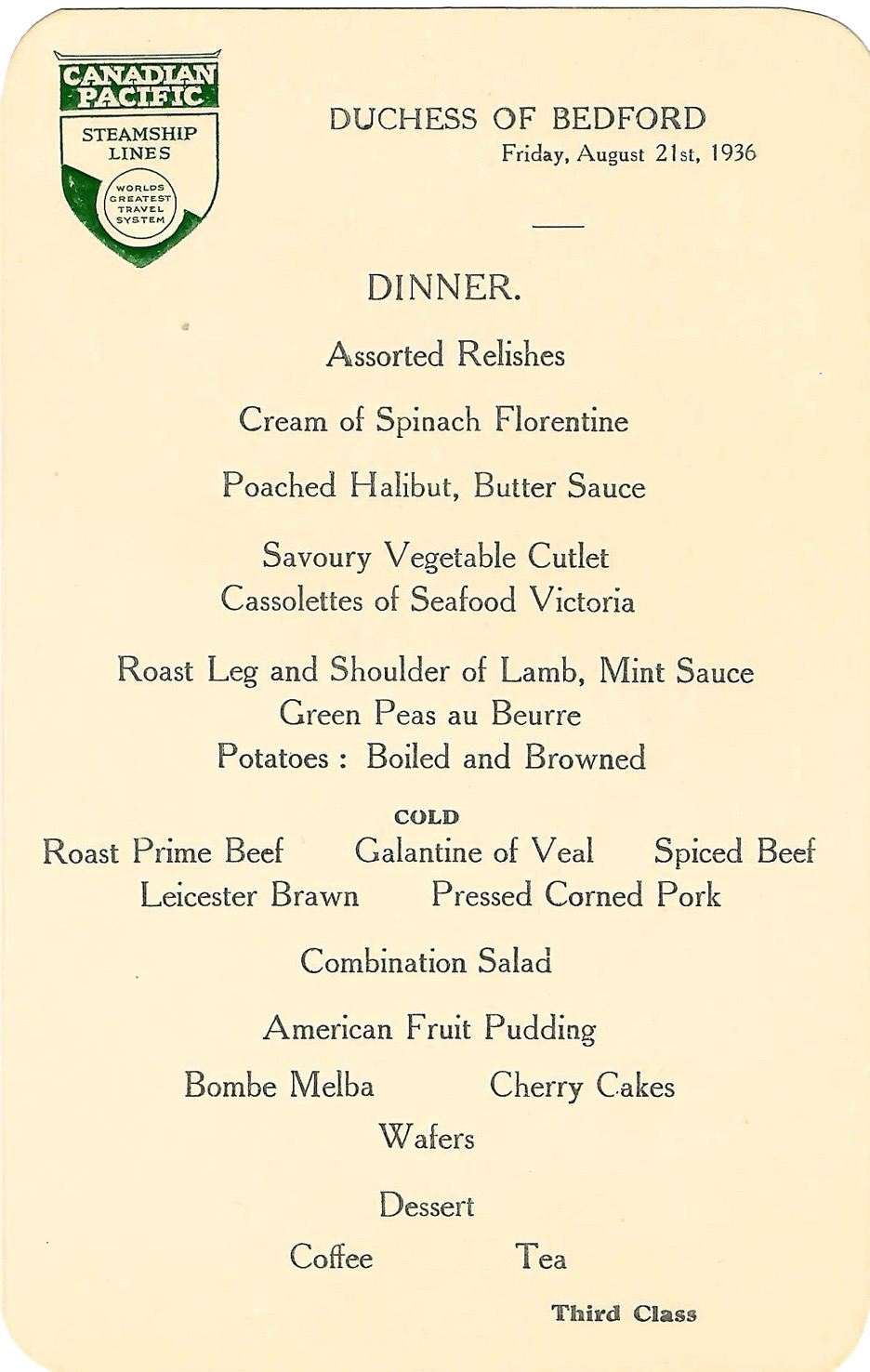
Ordinary objects such as menus from ships and banquets reveal meals that many pilgrims would rarely have experienced at home during the Great Depression. At a time of unemployment and food scarcity, pâté, cheeses, wines, and liqueurs made these meals memorable, giving pilgrims another reason to preserve the menus as reminders of the journey.
Through these cherished keepsakes, pilgrims fostered memories of a journey that was deeply personal. For veterans, it was a chance to remember comrades and stand again on the battlefields where they had served. For families, the pilgrimage offered the opportunity to visit graves and find a sense of closure, while others reconnected with fellow soldiers and shared their wartime experiences with loved ones. Carefully preserved and passed down through generations, these souvenirs reflect how the pilgrimage and the unveiling of the Vimy Memorial became lasting reminders of collective memory, loss, and personal experience for Canadians.
Archival footage of the Vimy Pilgrimage, 1936
Wilfred Prissick for the Canadian Legion
2025.06 | Gift of Debby McCracken
CCGW Collection
DID YOU KNOW
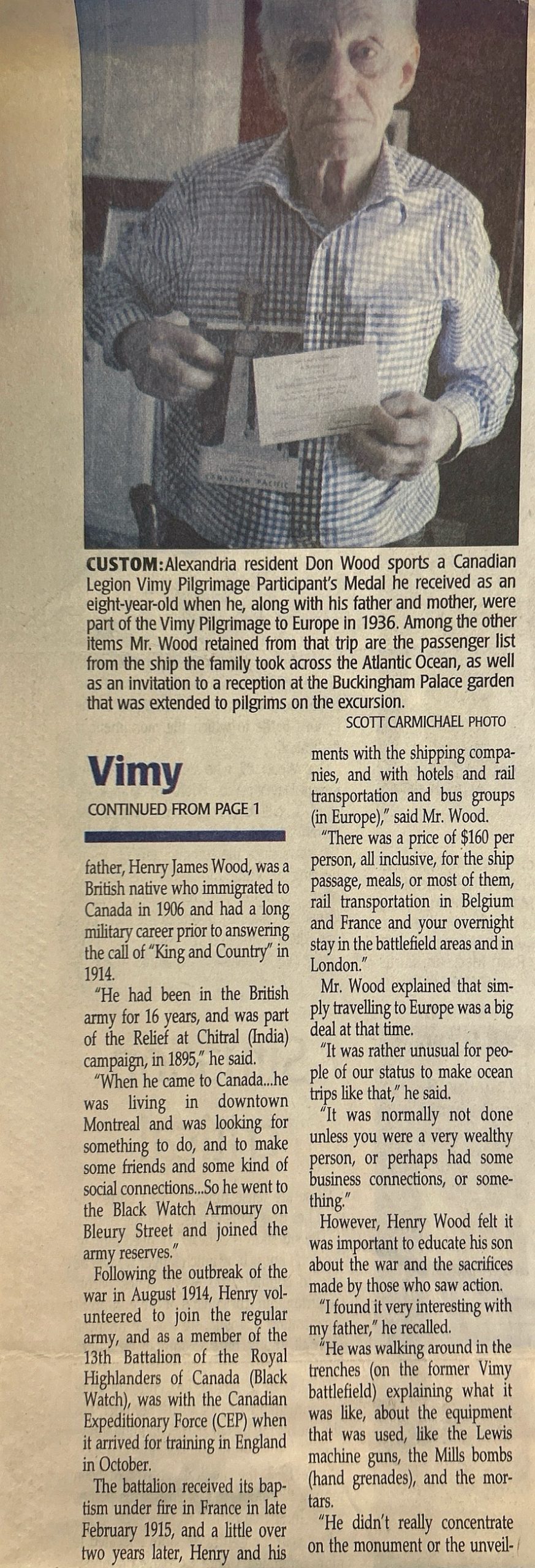
According to Don Wood, a child aboard the Montrose, there were many children on his ship. They played games aboard, occupying their time by "forming gangs and claiming ownership of different parts of the ship." This voyage involved memories of the Canadian shores, icebergs in the North Atlantic and Europe, games, tea parties and meals. While the trip was more solemn for adults, children’s testimonies demonstrate the novelty of experiences on this trip, such as new foods and sights, contrasted with more serious aspects of the pilgrimage.
Canadian National
Vimy Memorial
Vimy Ridge was an important strategic point in the Arras region, in the north of France. Under German control since 1914, Canadian forces successfully seized it after launching an offensive from 9 to 12 April 1917.
It marked the first time the four divisions of the Canadian Expeditionary Force fought together. Establishing Canada as a nation wihtin its own right, the Battle of Vimy Ridge has since become an important symbol of national identity.
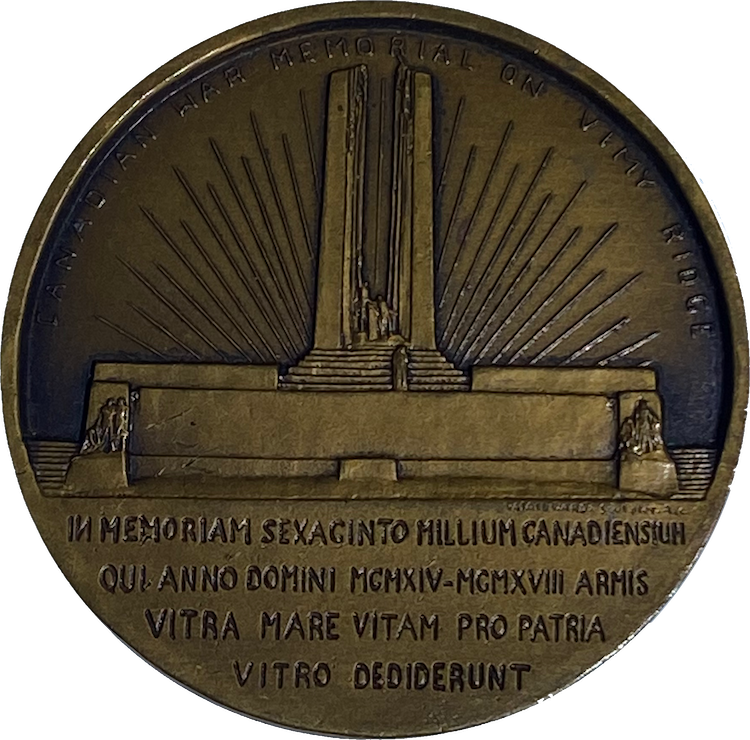
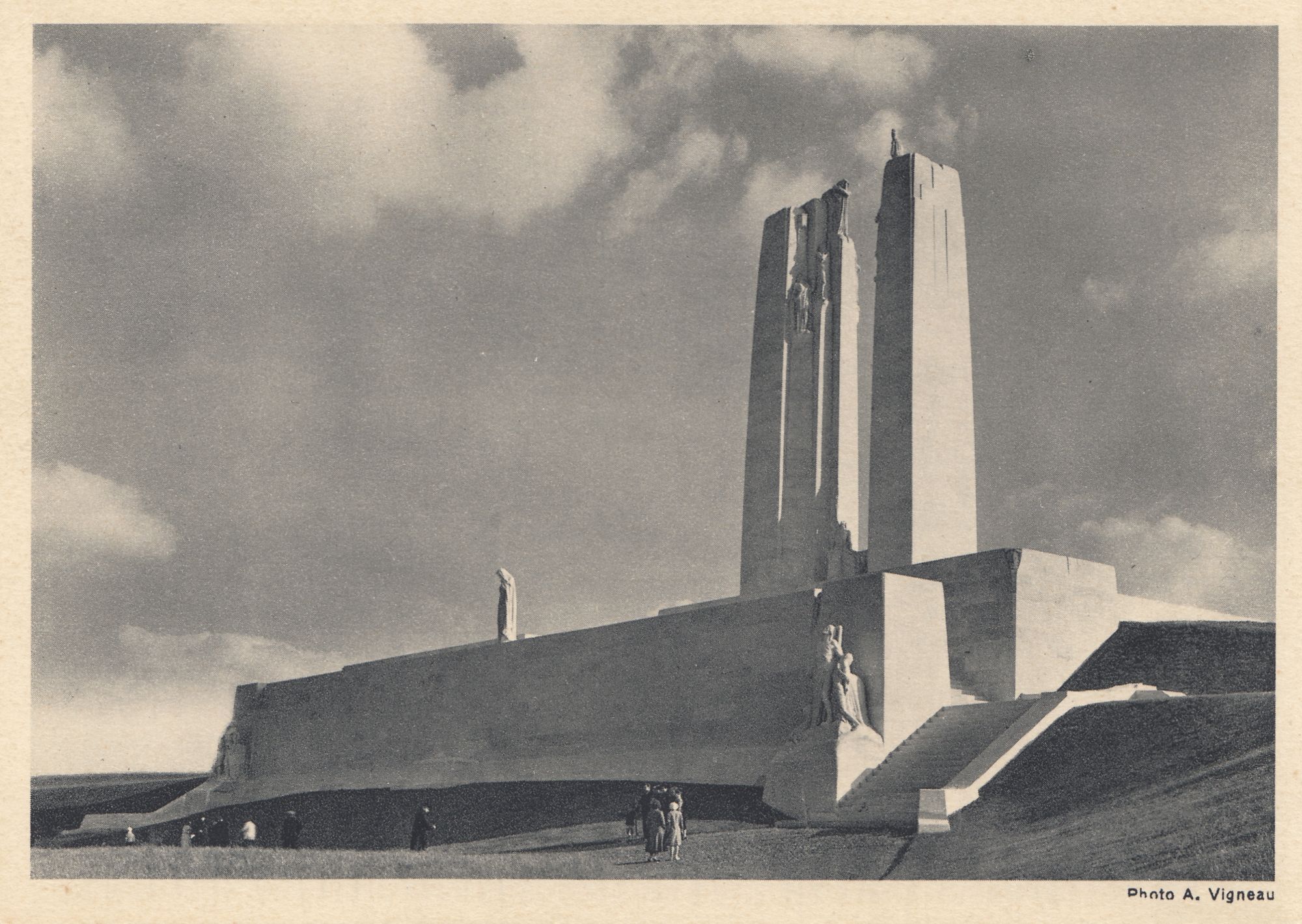
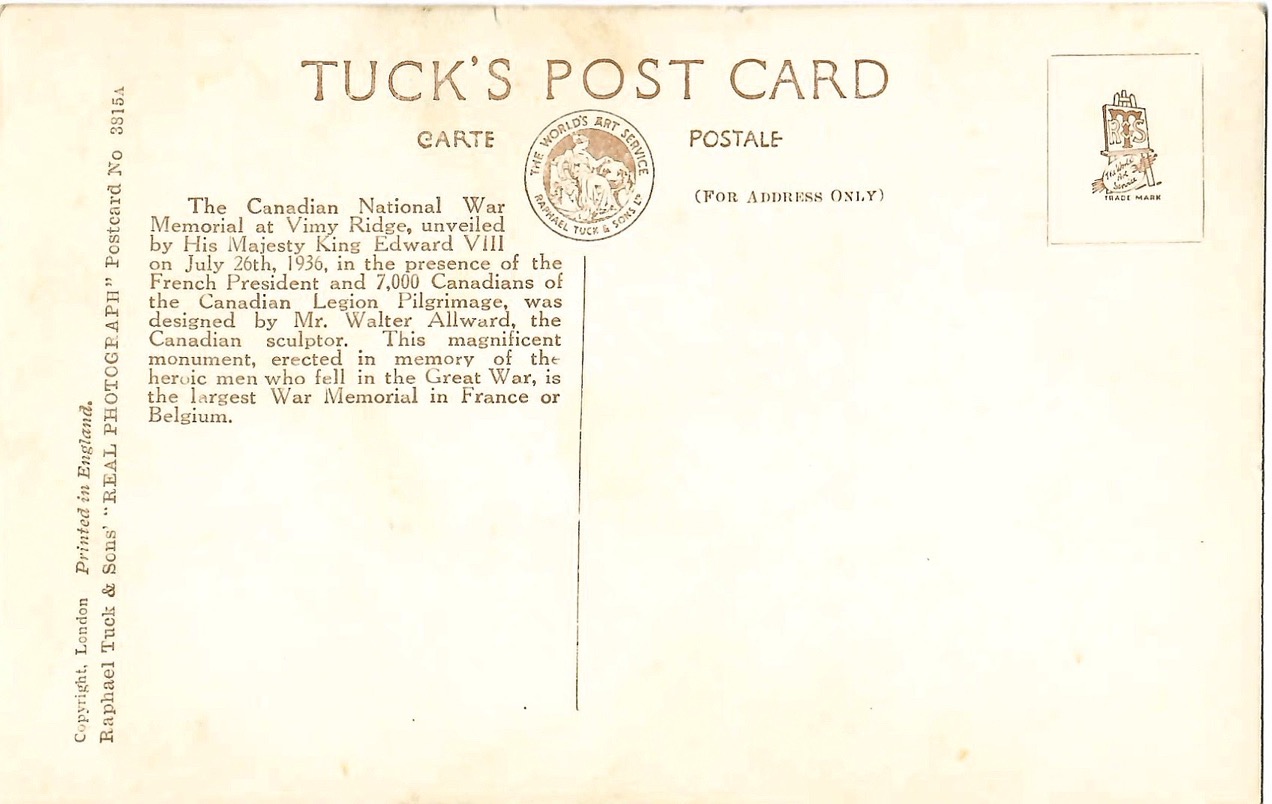
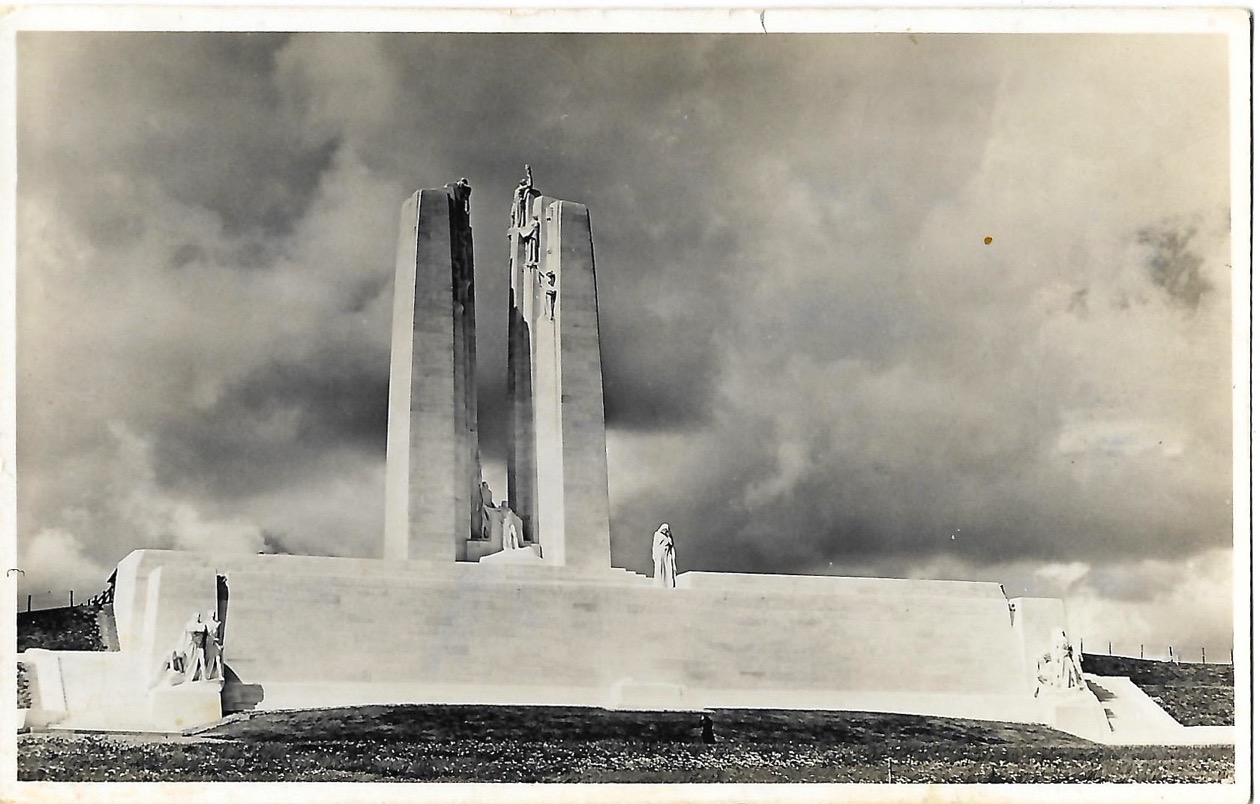
Vimy Ridge was chosen as a national commemorative site by the Canadian Battlefields Memorials Commission. The Vimy Memorial, designed by Walter S. Allward, was selected from 160 project submissions. Constructed between 1925 and 1936, the monument was inaugurated in July 1936 before a crowd of over 100,000 people, including King Edward VIII and over 6,200 Canadian veterans and their families.
It is engraved with the names of 11,285 Canadian soldiers with no known graves.
Bringing memories to life
!
Vimy Memorial: Living Stories
Where 11,285 names come to life
Download the app to scan the names engraved on the Canadian National Vimy Memorial
Photo of the engraved names on the Vimy Memorial / CCGW Collection
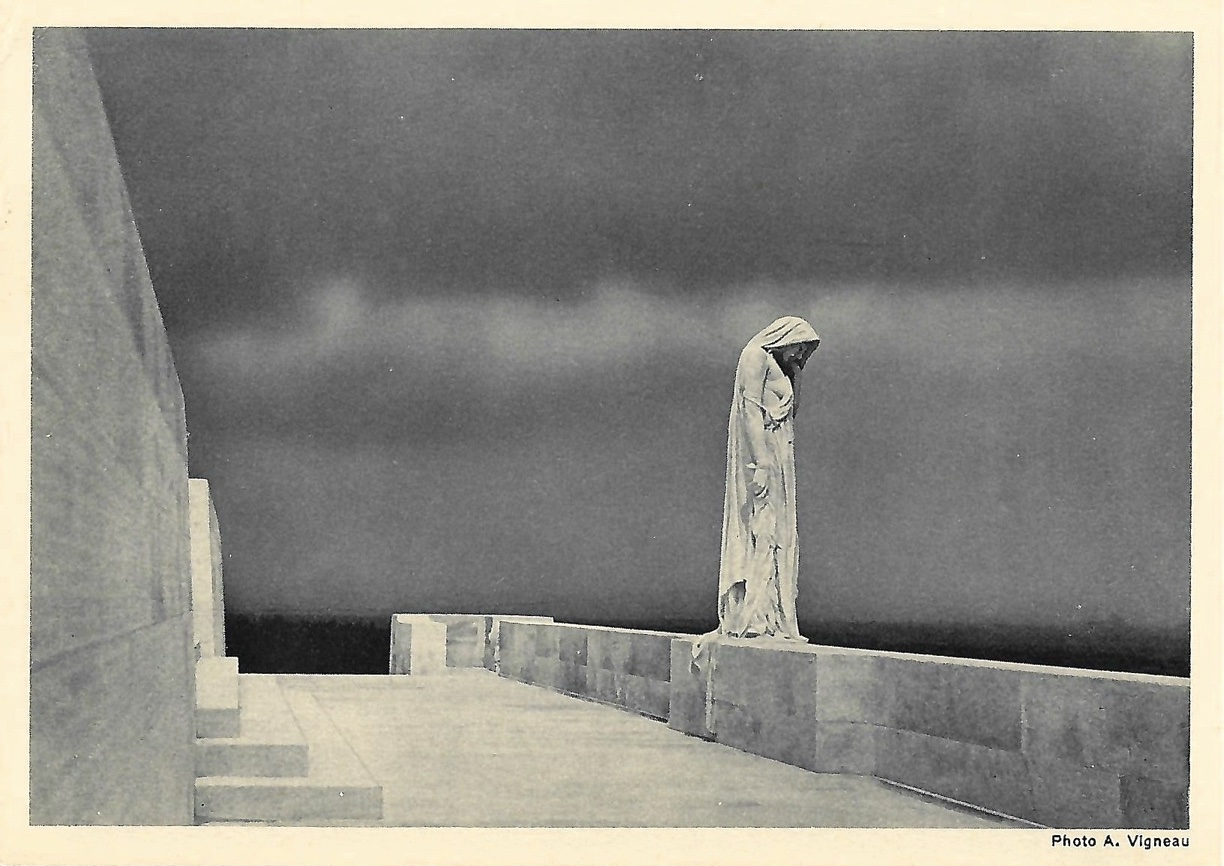
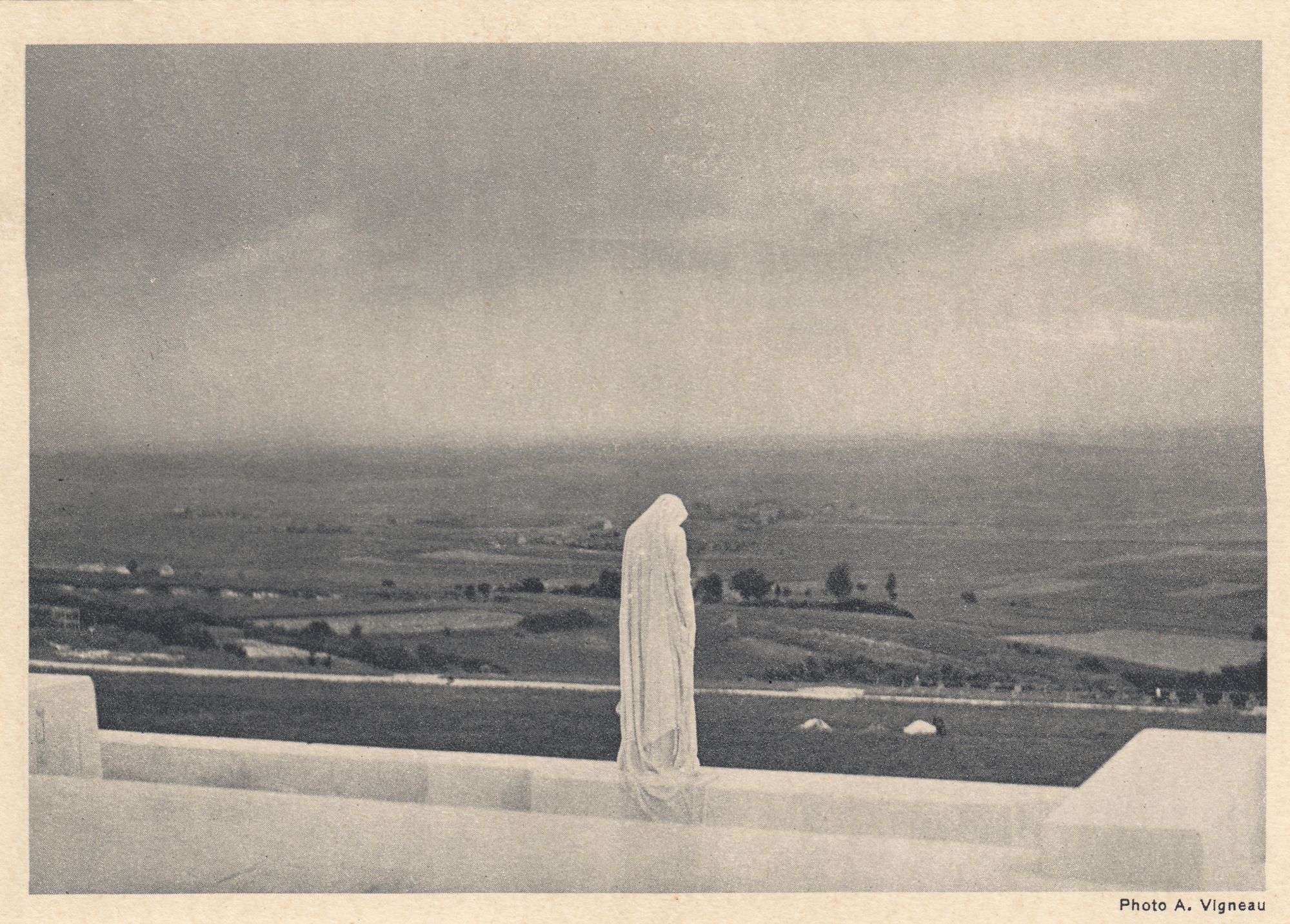
French postcards featuring the Canadian National Vimy Memorial, 1936
Photo by A. Vigneau
Printed by E. Desfossés-Néogravure, Paris
2017.20 | Gift of John R. Newell
CCGW Collection
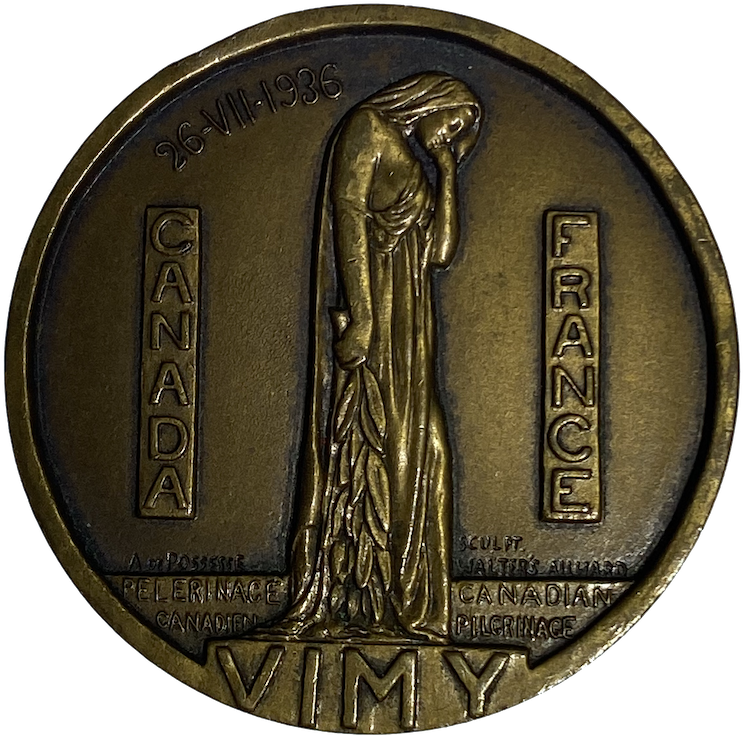
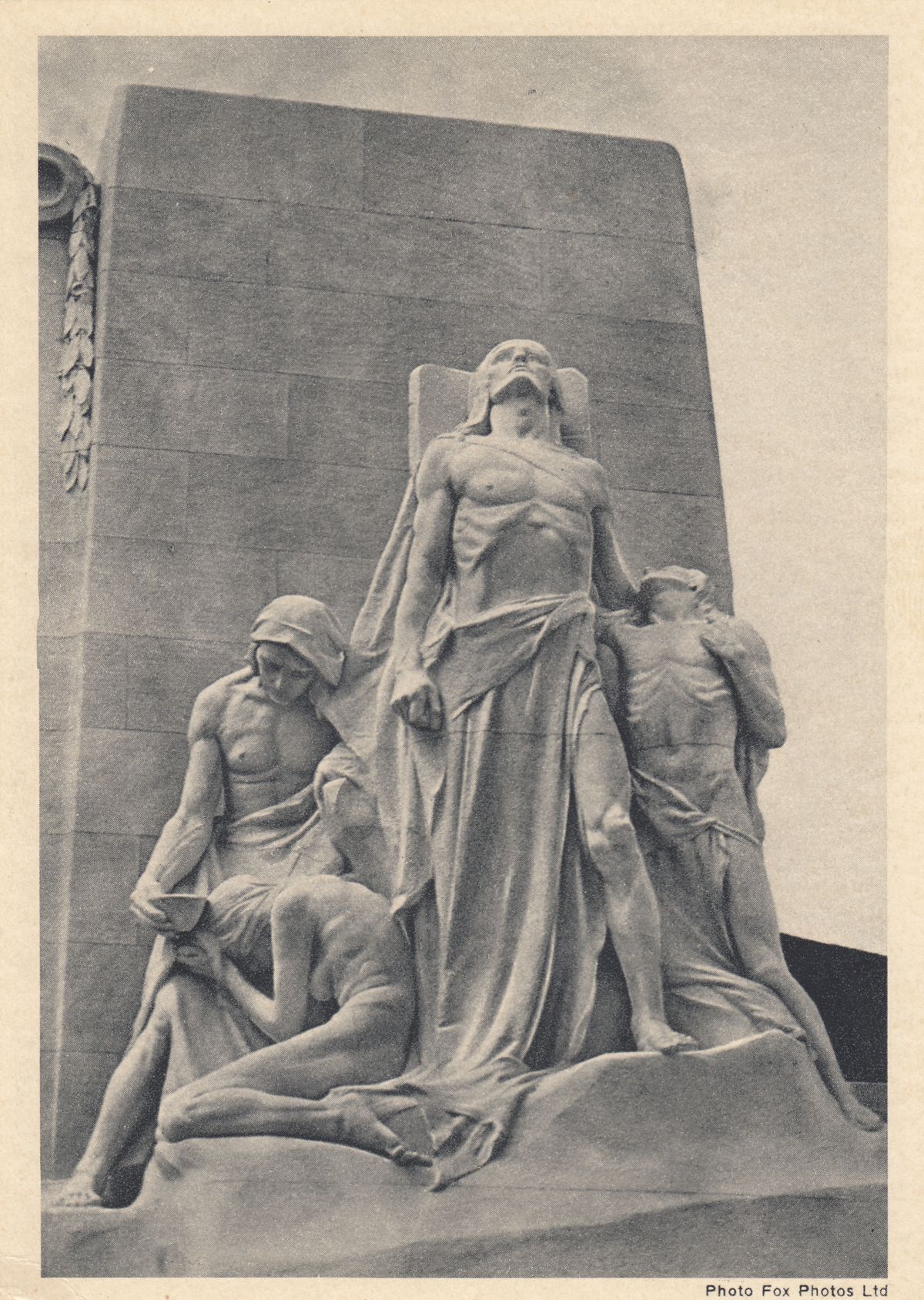
Canada Bereft is one of the most well-known of all the statues on the Vimy Memorial, and is carved out of a single 30-ton block of stone. A grieving mother mourning the lost sons of Canada, she stands with her head bowed, looking down at the Tomb of the Unknown Soldier at the foot of the monument. Canada Bereft represents all the Canadian mothers grieving for their sons who died during the conflict.
A living testimonial
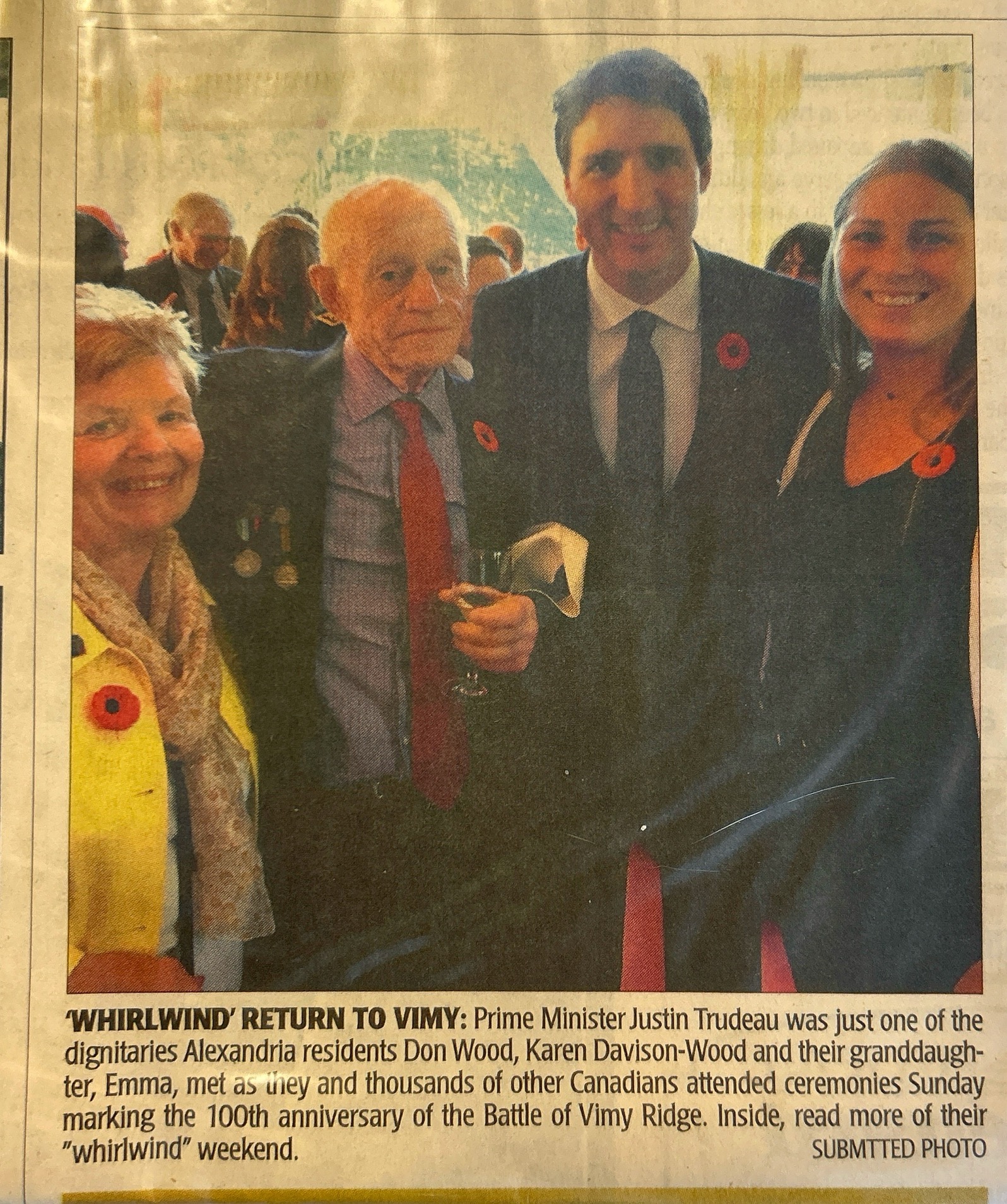
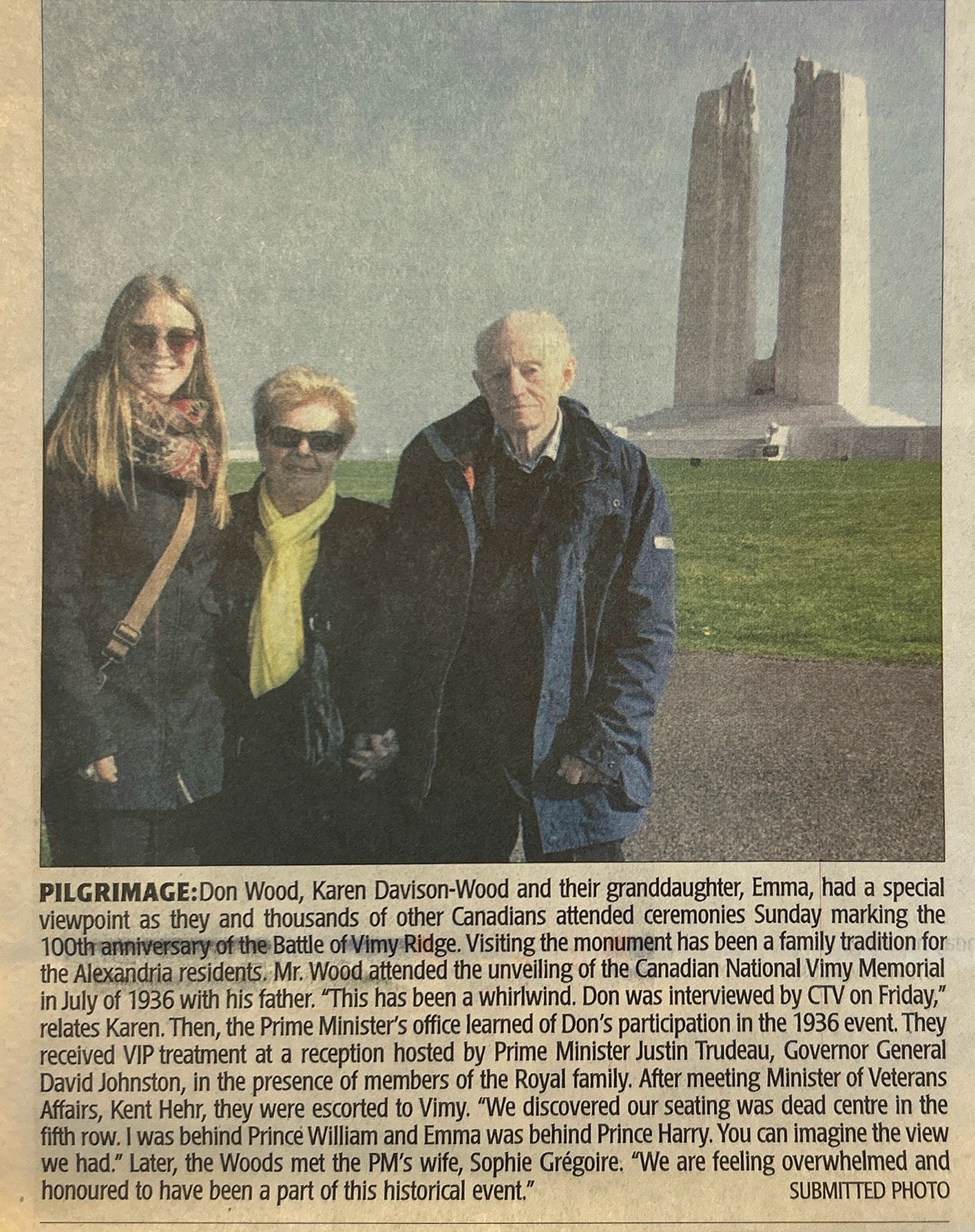
Don Wood
Among the many pilgrims who made the journey was Donald Wood. At eight years old, he travelled to Europe with his parents, Gertrude Mary Wood and Henry James Wood. His father Henry was already a veteran before the First World War. Born in England, he had first enlisted in the Royal East Kent Regiment and served in India.
He later immigrated to Canada in 1906 and joined the reserves of the 42nd Highlanders of Canada (The Black Watch). In August 1914, he volunteered for active service with the Canadian Expeditionary Force and served as Company Quartermaster Sergeant with the 13th Battalion, Royal Highlanders of Canada (The Black Watch).
To Donald Wood, this pilgrimage is a cherished family trip and so much more. His father, ever careful with his finances, could afford to bring his family on this trip, even during the Great Depression. This would be the only occasion he would have to travel with his father Henry, who died a mere four years following the pilgrimage, when Donald was 12. In hindsight, this makes this trip even more special to him.
More than quality family time, however, Donald remembers the sights and sounds of his trip fondly. From the sounds of planes soaring above during the unveiling of the Vimy Memorial to the sights of the top-hat-wearing men in the gilded halls of Buckingham Palace, Donald still holds these memories close 90 years later. He even recalls a royal sighting, peaking at two princesses waving out of a window. One of them, princess Elizabeth, would later be Queen.
We think you might also like...


Support Us
Enjoying our Digital Exhibitions?
Consider making a donation today to help us continue producing educational content like this.